
Updated September 2026.
Enzyme cleaners can't hurt even badly corroded pipes, they're just slower. For a real blockage, mechanical clearing by a plumber is the safe fix on an old line.
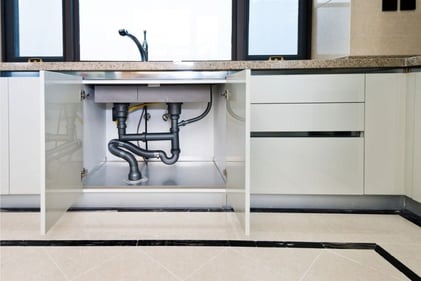 Older homes have a charm that modern construction can't replicate, but their aging plumbing systems often require extra care—especially when dealing with slow drains and clogs. Using the wrong drain cleaner can corrode pipes, weaken joints, and lead to costly repairs.
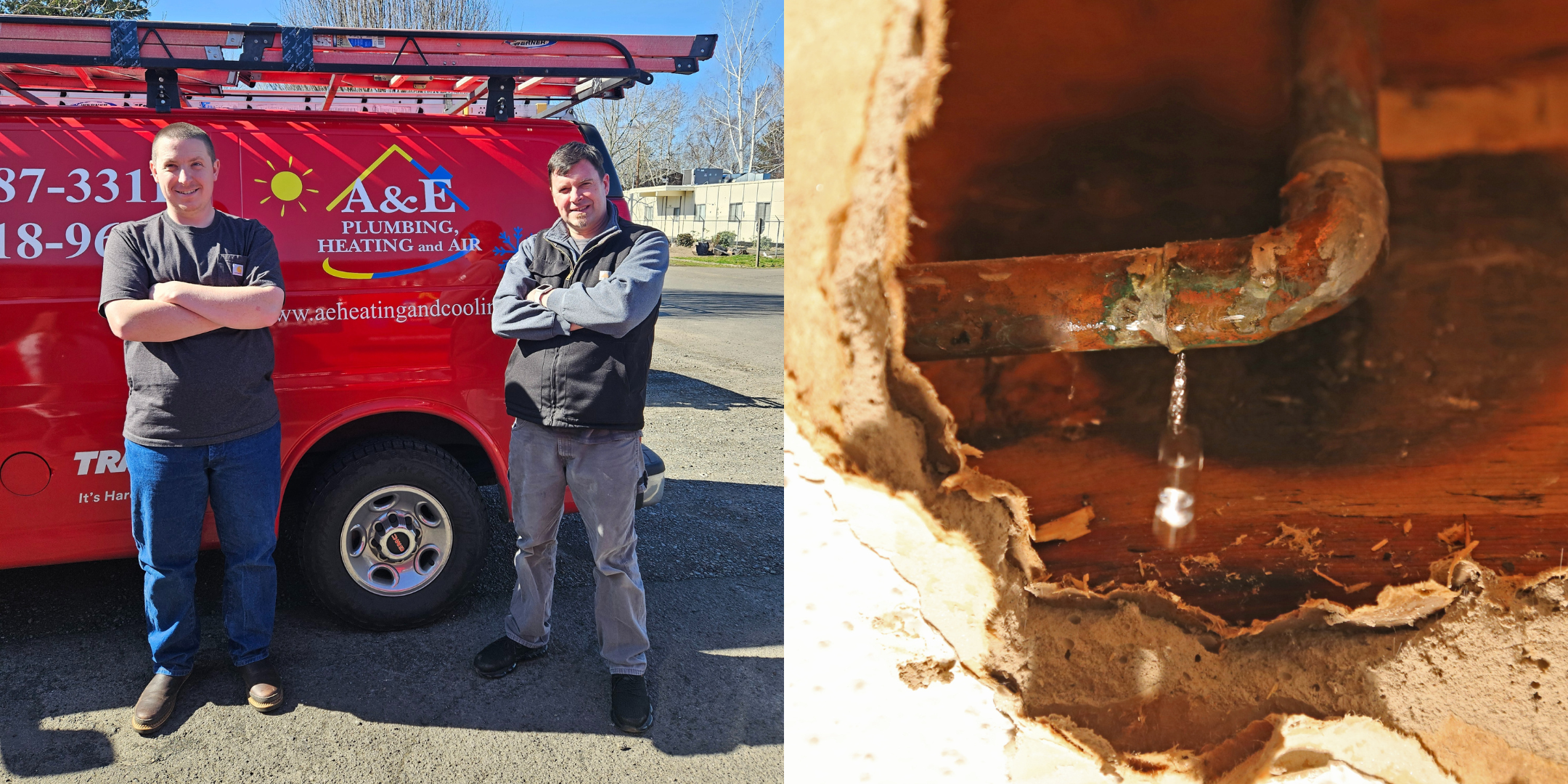
With over 16 years of experience working with plumbing systems in older homes, we've seen firsthand how improper drain cleaning can cause more harm than good.
By the end of this article, you'll know which drain cleaners are safe for old pipes, which ones to avoid, and how to prevent clogs without causing damage.
Chemical vs. Enzymatic Drain Cleaners: Quick Comparison
|
Type |
Typical retail price |
Safe for old pipes? |
Best for |
|---|---|---|---|
|
Enzyme / bacterial |
$26 to $50 |
Yes |
Monthly maintenance, slow drains, septic-safe |
|
Caustic (lye) |
$5 to $8 |
No — heat attacks corroded metal |
Newer PVC systems only |
|
Acidic |
$7 to $20 |
No — highest damage risk of any option |
Professionals in specific situations, not DIY |
|
Oxidizing |
$12 to $15 |
Risky on corroded metal |
Mild clogs in newer bathroom drains |
Prices checked live at Walmart, Home Depot, and Amazon, Sep 2 2026, and will vary by retailer and size.
Common Risks of Using the Wrong Drain Cleaner on Old Pipes
Corrosion
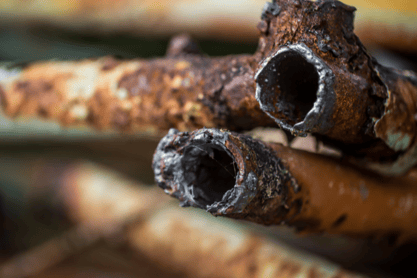 Harsh chemical drain cleaners contain acids and caustic agents that erode the interior walls of older metal pipes, speeding up rust and leaks.
Weakened Joints
Heat and pressure from some chemical cleaners weaken soldered and threaded pipe connections, raising the risk of failure.
Pipe Deterioration
Chemical reactions speed up the breakdown of fragile materials like cast iron and clay, making them more prone to fractures and blockages.
If you're dealing with slow drains or recurring clogs, it's crucial to choose a safe and effective cleaning method that won't damage your aging plumbing system. Let's compare chemical drain cleaners vs. enzymatic alternatives.
Chemical Drain Cleaners: Effective but Risky for Old Pipes
Chemical drain cleaners are widely available and promise fast results, but they are often too harsh for aging plumbing systems. These products typically fall into three categories, each with distinct properties and risks.
1. Caustic Cleaners (Lye, Sodium Hydroxide)
How They Work
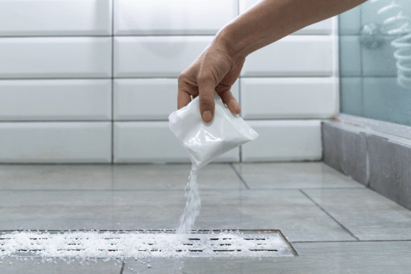 Caustic drain cleaners contain highly alkaline substances, such as sodium hydroxide (lye), which react with grease, hair, and soap scum to create heat and dissolve clogs. These cleaners are often thick gels or liquids that cling to the clog and break it down.
Best Used For
Slow drains caused by grease buildup, soap residue, and light organic clogs in modern PVC pipes and some cast iron pipes with protective coatings.
Risks for Older Pipes
The heat generated by these cleaners weakens metal pipes over time, causing corrosion in galvanized steel and cast iron. Repeated use also degrades PVC joints, causing leaks.
Example Products: Drano Max Gel (32oz, about $5), Liquid-Plumr Pro Strength (17oz, about $5).
2. Acidic Cleaners (Sulfuric Acid, Hydrochloric Acid)
How They Work
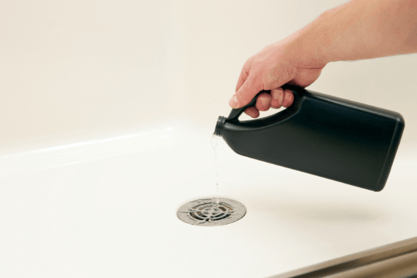 Acidic drain cleaners contain sulfuric or hydrochloric acid, which aggressively break down organic materials, grease, and hair. These chemicals work quickly and dissolve clogs in minutes by releasing hydrogen gas that dislodges blockages.
Best Used For
Commercial and industrial plumbing systems with modern metal pipes that can withstand acidic exposure, or for extreme cases where other methods fail.
Risks for Older Pipes
These cleaners are extremely corrosive and rapidly eat through cast iron, galvanized steel, and clay pipes. They also release toxic fumes and cause severe damage if mixed with other household cleaners.
Example Products: Kleen Out Sulfuric Acid Cleaner (32oz, about $7), Liquid Fire Drain Opener (32oz, about $20).
3. Oxidizing Cleaners (Bleach, Peroxide, Nitrates)
How They Work
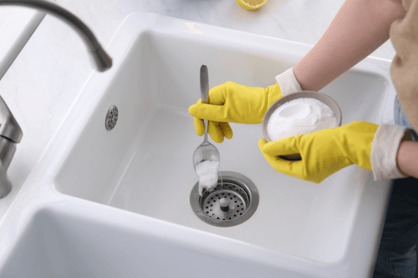 Oxidizing drain cleaners contain bleach, peroxides, or nitrates, which release oxygen when they come into contact with organic materials. This reaction helps break down tough clogs without generating as much heat as caustic cleaners.
Best Used For
Mild to moderate clogs in PVC and modern metal pipes that can tolerate oxidation.
Risks for Older Pipes
While less aggressive than acid-based cleaners, oxidizing cleaners weaken metal pipes over time and erode fragile clay pipes. They should be used sparingly in homes with galvanized steel or aging metal plumbing.
Example Products: Zep Liquid Heat Max Clog Blaster Gel (64oz, about $12), Clorox Pro-Strength Drain Cleaner.
Expert Recommendation
Avoid using acid-based drain cleaners on old pipes, as they can rapidly corrode metal and erode clay materials. Caustic and oxidizing cleaners should also be used sparingly, as repeated exposure can weaken pipes over time. If chemical cleaners must be used, opt for those labeled safe for older plumbing systems, and follow up with a thorough water flush to minimize long-term damage.

Enzymatic Drain Cleaners: A Safer Alternative
For older plumbing systems, enzymatic drain cleaners offer a gentler, long-term solution. Unlike chemical drain cleaners that rely on harsh acids or caustic agents, enzymatic cleaners contain natural bacteria and enzymes that break down organic matter such as grease, soap scum, and food particles without damaging pipes.
How Enzymatic Cleaners Work
Enzymatic drain cleaners use biological reactions to digest organic waste inside pipes. When poured down a drain, the bacteria and enzymes activate, feeding on fats, oils, proteins, and carbohydrates, breaking them down into harmless substances like water and carbon dioxide.
Benefits of Enzymatic Drain Cleaners
- Non-corrosive: Safe for delicate materials like cast iron, clay, galvanized steel, and PVC pipes.
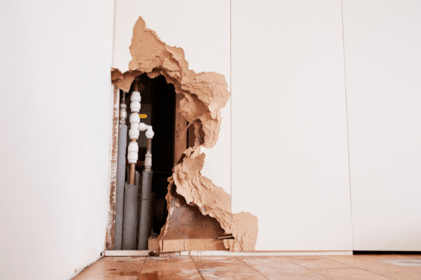
- Eco-friendly: Free from harsh chemicals that can contaminate groundwater and harm the environment.
- Prevents future clogs: Works over time to break down buildup and reduce the need for repeated treatments.
- Safe for septic systems: Encourages healthy bacterial activity in septic tanks, unlike chemical cleaners that can disrupt the system.
Best Enzymatic Drain Cleaners for Old Pipes
Bio-Clean
Highly effective at breaking down grease, hair, and soap scum while being safe for all plumbing materials. About $50 for a 2lb can, roughly 100 treatments.
Green Gobbler Enzyme Drain Cleaner
A non-toxic, eco-friendly option designed for regular maintenance. About $26 for 1 gallon.
Earth Enzymes Drain Opener
Contains a blend of natural enzymes that dissolve organic debris without damaging older plumbing materials.
When to Use Enzymatic Cleaners
Routine maintenance
 Use once a month to prevent buildup and keep pipes flowing smoothly.
Slow drains
Ideal for gradual clogs caused by organic material, though they may take a few hours or days to work effectively.
Homes with older plumbing
Best for cast iron, clay, or galvanized pipes that may be weakened by chemical alternatives.
Expert Recommendation
Use enzymatic cleaners as prevention, not as a fix once a major clog has formed. They work slower than chemical options, but they won't damage aging pipes.
Preventing Clogs in Old Pipes
The best way to avoid damage from drain cleaners is to prevent clogs before they start. Old pipes, especially those made of cast iron, clay, or galvanized steel, are more vulnerable to blockages due to years of mineral buildup and corrosion. Once a clog forms, clearing it without damaging delicate plumbing gets harder. Prevention is easier than the fix. If you're not sure what your pipes are made of, our guide to galvanized steel pipes walks through how to tell.
Best Practices for Keeping Old Pipes Clear
Use drain screens
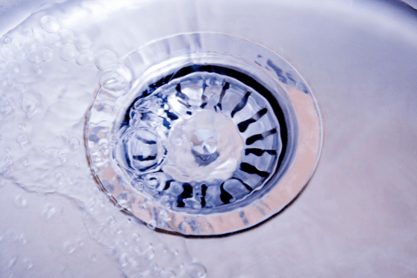 Install mesh or metal strainers in sinks, tubs, and showers to catch hair, food scraps, and other debris before they enter the drain. This simple step cuts clogs significantly.
Flush with hot water regularly
Running hot water down your drains once a week helps break up grease and soap buildup. For best results, use boiling water for metal pipes and hot (not boiling) water for PVC pipes to avoid warping.
Avoid pouring grease down the drain
Cooking oils and fats solidify as they cool, sticking to the pipe walls and forming stubborn clogs. Instead, pour grease into a sealed container and dispose of it in the trash. Studies show that grease accounts for 47% of sewer blockages in residential plumbing.
Use baking soda and vinegar monthly
This natural method helps break down minor buildup and neutralizes odors. Pour ½ cup of baking soda into the drain, followed by 1 cup of vinegar. Let it sit for 15 minutes, then flush with hot water. Unlike harsh chemical cleaners, this won't corrode old pipes.
Limit disposal use
Garbage disposals can push food particles into older plumbing where they can settle and cause clogs. Avoid grinding fibrous foods like celery, potato peels, and coffee grounds, which can clump together and form blockages.
Schedule professional drain maintenance
A licensed plumber performs a camera inspection and hydro-jetting or snaking to remove deep buildup without damaging fragile pipes. Annual maintenance extends the life of older plumbing systems and prevents costly emergencies. Our plumbing team serves homes across Oregon and southern Washington.
Frequently Asked Questions
Is Drano safe for old pipes?
We don't recommend it for regular use. Drano Max Gel is a caustic cleaner that generates heat as it works, and on corroded galvanized or cast iron drains that heat stresses pipe walls and joints that are already weakened. For old pipes, use an enzyme cleaner for slow drains and mechanical clearing for real blockages.
What is the strongest thing to unclog a drain?
For an old-pipe home, the strongest safe option is mechanical: a drain snake or professional hydro-jetting. Acid cleaners are chemically the strongest products sold, and they're also the most likely to damage an aging drain line.
What do plumbers recommend for clogged drains?
For maintenance: enzyme cleaners and drain screens. For active clogs in older homes: snaking or jetting, with a camera inspection when a line clogs on repeat. Most plumbers recommend skipping chemical openers entirely on pipes older than about 40 years.
Is baking soda and vinegar bad for pipes?
No, it won't hurt any pipe material, so it's a fine monthly freshener for old drains. Its limits are worth knowing too: the reaction mostly neutralizes odors and loosens light buildup. It won't clear a real clog.
When should I call a plumber instead of using a drain cleaner?
Call when water is fully standing, when the same drain clogs more than twice a year, when more than one fixture backs up at once, or when you smell sewage. Those symptoms point to a line problem, not a cleaner problem.
Choosing the Best Drain Cleaner for Old Pipes
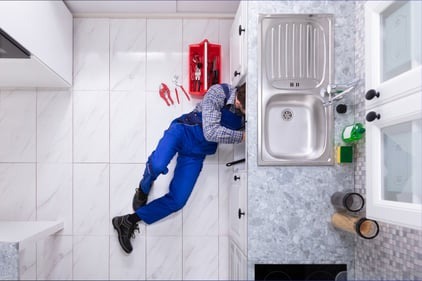 Aging pipes require special care, and using the wrong drain cleaner can cause more harm than good. Corrosion, weakened joints, and pipe deterioration are common risks when harsh chemicals are used on older plumbing systems.
Now that you understand the difference between chemical and enzymatic drain cleaners, you can make a more informed choice about what's safest for your home's plumbing.
If you're looking for additional ways to modernize your older home's plumbing without the cost of a full replacement, explore these 5 Budget-Friendly Plumbing Upgrades for Older Homes that can improve efficiency, prevent costly issues, and extend the life of your system.
Topics: