Updated August 2026.
Choosing the right pipe insulation material depends on several factors, including the temperature, location, type of pipe, and your specific goals for insulation. Are you aiming for a more energy-efficient home, or is your primary concern preventing pipes from freezing? At A&E Plumbing, Heating, and Air, with over 16 years of hands-on experience across the Gorge and Portland Metro, we’ve seen it all.
Generally, materials like fiberglass or mineral wool are optimal for pipes exposed to high temperatures, while foam and rubber work well for cold water pipes and can also be used on hot pipes.
To help you make the best choice for your home, we’ll walk you through the five most popular pipe insulation materials. We’ll explain how each is used and where it works best, so you can confidently choose the insulation that fits your unique needs and budget.
Quick Answer
For most homes, foam or rubber insulation covers cold-water and moderate-climate needs at the lowest cost, while fiberglass or mineral wool is worth the extra money on hot water lines and anywhere fire resistance matters. Spray foam is the right call only for irregular or hard-to-reach spaces, and it comes with tradeoffs worth knowing before you commit.
What Is the Best Pipe Insulation for Your Home?
The best pipe insulation depends on what the pipe carries and where it runs, not a single “best” product. Cold water lines in a crawl space do fine with budget-friendly foam. Hot water lines benefit from fiberglass or mineral wool’s higher heat retention. Tight, irregular spaces need spray foam’s flexibility. Here’s the full comparison:
| Material | Typical cost | Best for | Watch out for |
|---|---|---|---|
| Fiberglass | $2 to $4 per linear foot | Hot water lines, fire resistance | Requires protective gear during install |
| Mineral wool | $2 to $6 per linear foot | Fire resistance, noise reduction | Higher cost, handling precautions |
| Spray foam | $1.25 to $1.50 per square foot | Irregular or hard-to-reach spaces | Some formulations emit VOCs; can affect plastic pipes |
| Rubber | $2 to $4 per linear foot | Mold/condensation resistance, flexible installs | Mid-range cost |
| Foam | $0.50 to $2 per linear foot | Cold water, budget DIY winterization | Less effective on high-temperature systems |
Costs above updated from Angi and HomeAdvisor.
1. Fiberglass Insulation Pros and Cons
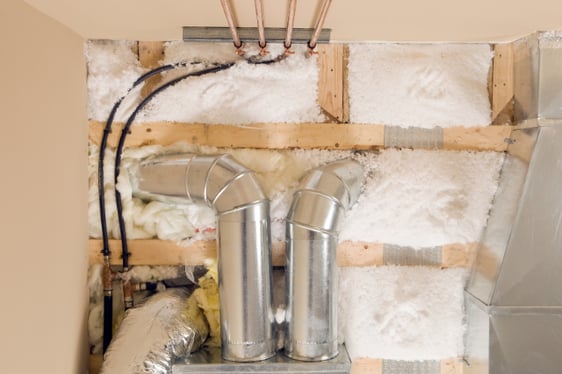
Fiberglass insulation is a top choice for insulating pipes, particularly in high-temperature environments like hot water systems. Made from woven glass strands, it offers excellent thermal resistance, making it highly effective in preserving heat and minimizing energy loss in hot water pipes, especially copper ones.
Although it’s more expensive than other materials, ranging from $2 to $4 per linear foot, its superior performance in extreme heat and its fire-resistant properties often justify the cost. Fiberglass insulation is also versatile enough to be used on cold pipes, providing a comprehensive solution for various piping systems in your home.
Installation is relatively easy, with options available in tubes and wraps, but it requires careful handling due to the potential irritation from glass fibers. This insulation is ideal for insulating extremely hot water pipes, areas exposed to high summer temperatures, and spaces with a fire risk. Despite the need for protective gear during installation, its durability and effectiveness make it a reliable option for homeowners looking to enhance their home's safety and energy efficiency.
Pros
- Excellent heat retention
- Fire-resistant
- Suitable for both hot and cold pipes
- Available in easy-to-install tubes and wraps
Cons
- More expensive than other materials
- Less flexible than foam or rubber
- Can cause skin and respiratory irritation during installation
Best For
- Insulating extremely hot water pipes
- Areas exposed to high summer temperatures
- Spaces with a higher risk of fire (e.g., attics, utility rooms)

2. Mineral Wool Insulation Pros and Cons
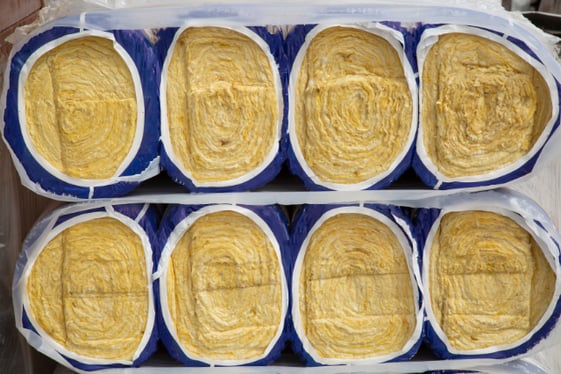
Mineral wool, also known as rock wool, is an insulation material made from natural rock that excels in high-temperature environments and provides excellent noise reduction and energy efficiency. Priced between $2 and $6 per linear foot, it is more expensive than other insulation options, but its fire resistance and sustainability make it a reliable choice for insulating both hot and cold pipes. Mineral wool's natural composition allows it to withstand extreme heat, making it particularly effective for areas requiring enhanced fire protection.
In addition to its thermal and fire-resistant properties, mineral wool is moisture-repellent and environmentally friendly, often made from recycled materials. This makes it a durable and eco-conscious option for homeowners. However, it’s important to handle mineral wool with care during installation, as certain types of mineral fibers can pose health risks if inhaled. Despite the higher cost and need for protective measures, mineral wool remains a top choice for those seeking robust insulation with added fire safety and noise reduction benefits.
Pros
- Extremely fire-resistant
- Excellent for noise reduction
- Moisture-repellent
- Sustainable and eco-friendly
Cons
- Higher cost compared to other materials
- Potential health risks if not handled properly
Best For
- Insulating around older, noisy HVAC systems
- Hot water pipes
- Areas where fire resistance is critical (e.g., near furnaces or in attics)
3. Spray Foam Insulation Pros and Cons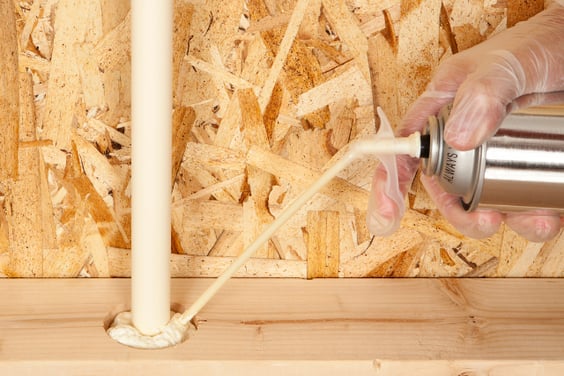
Spray foam insulation is an excellent solution for insulating hard-to-reach or irregularly shaped spaces. Its expandable nature allows it to conform to tight spaces, providing a flexible and durable insulation option. Priced between $1.25 and $1.50 per square foot, spray foam is effective for both heat retention and condensation control, making it a versatile choice for various applications. However, caution is needed when using it on plastic pipes, as some types of spray foam can potentially cause damage.
This insulation is ideal for areas that are difficult to access or prone to moisture buildup, offering long-lasting protection. High-density, closed-cell spray foam is particularly effective for water resistance, making it suitable for use in damp environments. Despite its benefits, homeowners should be aware of the potential for certain types of spray foam to off-gas volatile organic compounds (VOCs), and ensure proper ventilation during application.
Pros
- Flexible application for tight or irregular spaces
- Reduces noise
- Energy-efficient and durable
- Effective for heat and condensation control
Cons
- Some types may off-gas VOCs
- Potential to damage plastic pipes
Best For
- Insulating tight or awkwardly shaped spaces
- Areas prone to condensation
- Applications where water resistance is needed (high-density, closed-cell foam)
4. Rubber Insulation Pros and Cons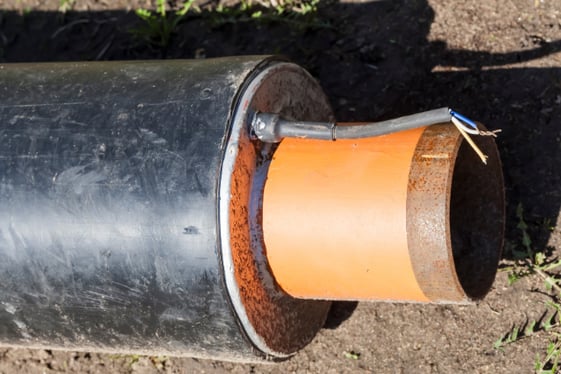
Rubber insulation is highly versatile and flexible, making it an excellent option for a wide range of pipe types, including copper, PVC, and iron. Its flexibility allows it to easily fit around pipes in challenging or tight spaces, making it ideal for areas where other insulation materials might be difficult to install. Priced between $2 and $4 per linear foot, rubber insulation is a mid-range option that provides reliable performance for both hot and cold pipes, including those in AC and plumbing systems.
Rubber insulation is also durable and resistant to mold, condensation, and fire, which adds to its appeal in areas prone to moisture or higher temperatures. Its fire-rated properties make it a safe choice for a variety of applications, and its flexibility eliminates the need for additional fittings like tee or elbow joints. While it is slightly more expensive than foam insulation, its versatility and durability make it a worthwhile investment for homeowners looking for a flexible and effective insulation solution.
Pros
- Highly flexible and easy to install in tight spaces
- Mold-resistant and condensation-resistant
- Fire-rated for added safety
- Compatible with copper, PVC, and iron pipes
Cons
- Slightly more expensive than foam insulation
Best For
- Challenging or tight spaces where flexibility is key
- Insulating both hot and cold pipes, including AC and plumbing systems
5. Foam Insulation Pros and Cons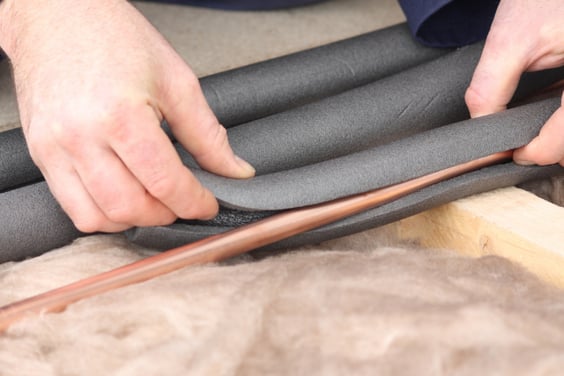
Foam insulation is the most budget-friendly option for insulating pipes, with costs ranging from $0.50 to $2 per linear foot. It’s a versatile material that can be used on both hot and cold pipes, though it performs best with low-temperature systems. Foam insulation is compatible with copper and PVC pipes and is known for its ease of installation, thanks to its self-sealing adhesive. This makes it an excellent choice for DIY projects, particularly for those looking to insulate on a budget.
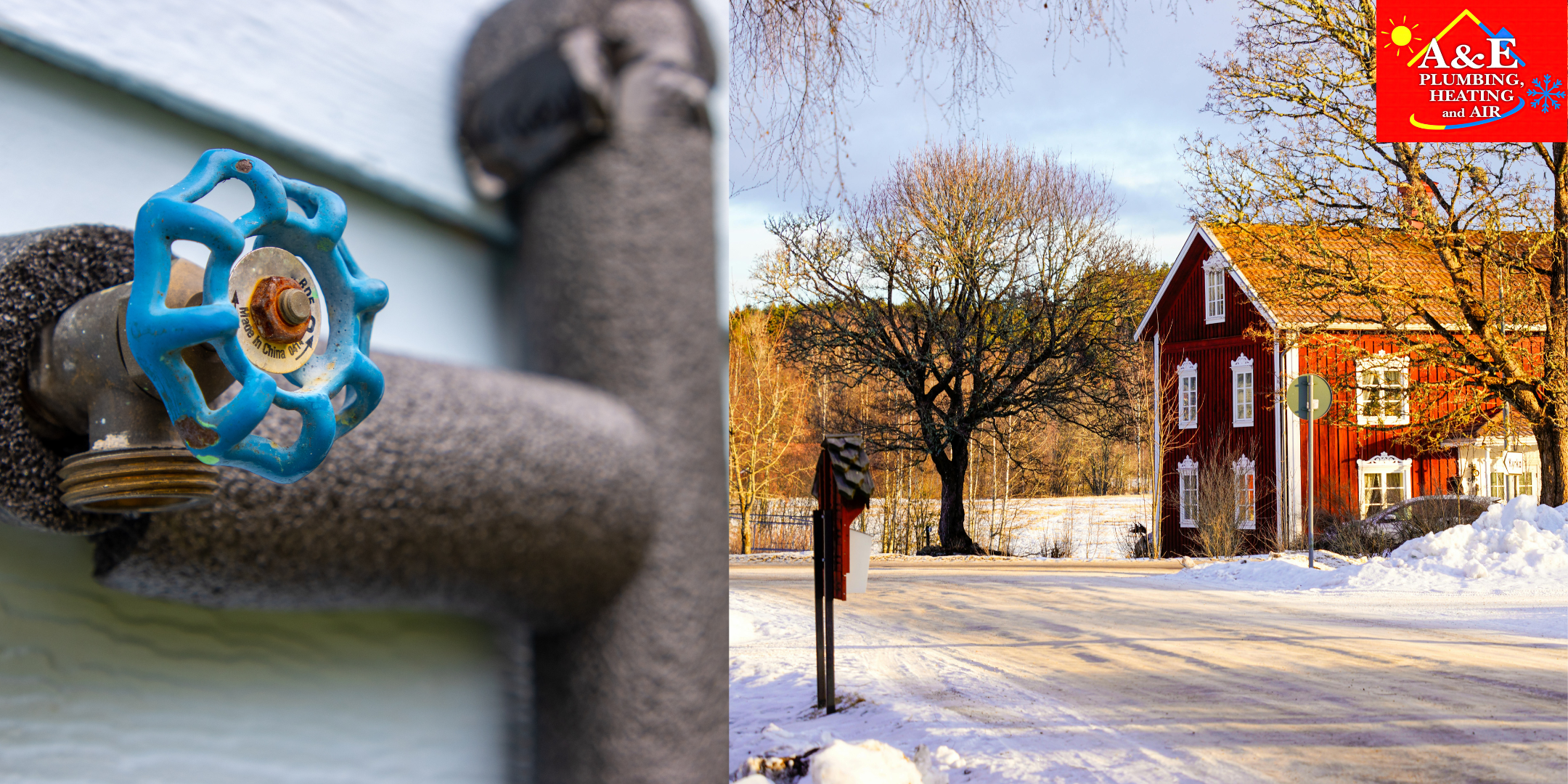
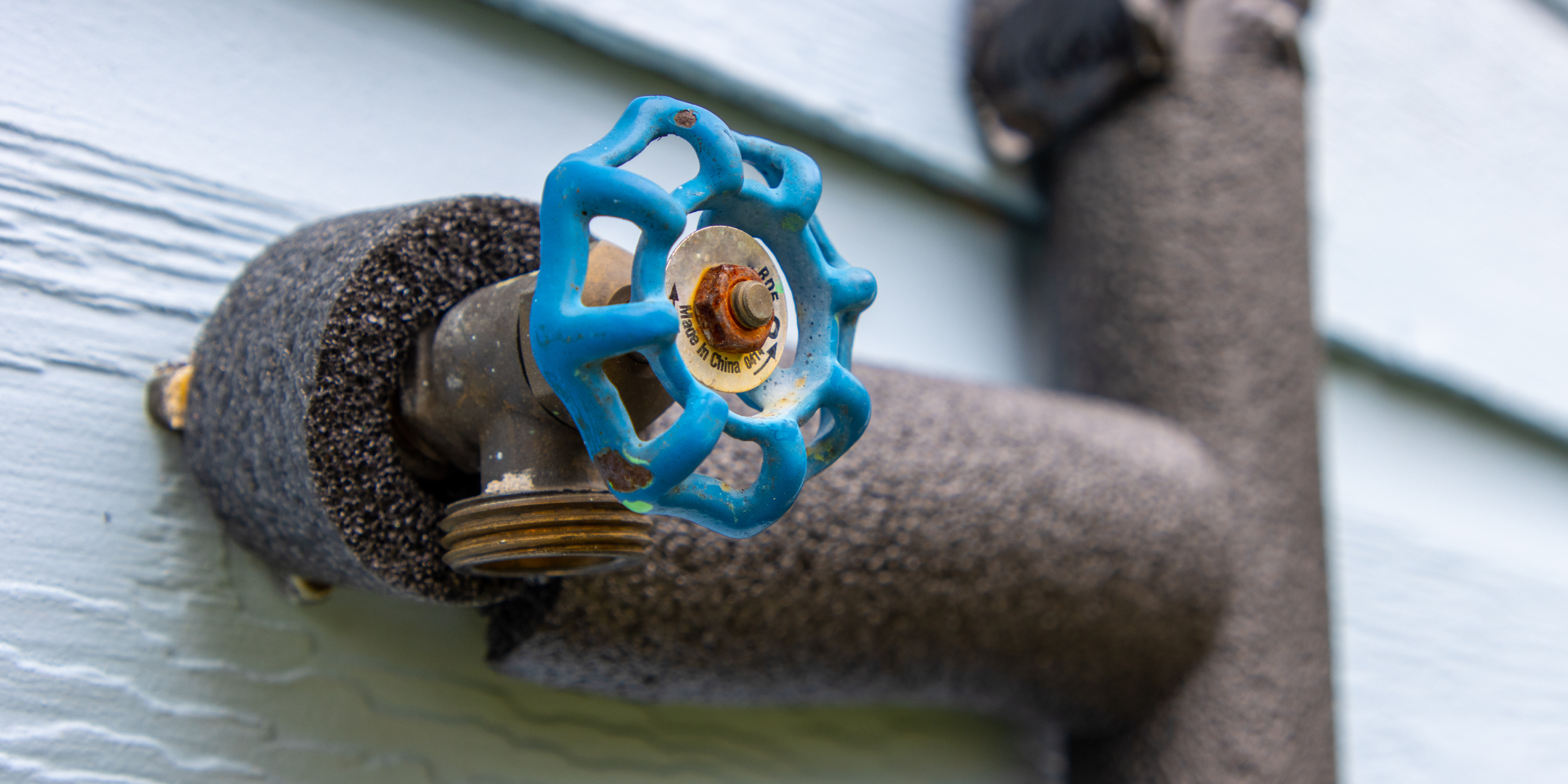
Foam insulation is ideal for winterizing outdoor faucets or insulating indoor pipes prone to condensation. While it’s highly flexible and mold-resistant, making it easy to work with, it’s less effective for high-temperature applications. Despite this limitation, foam insulation remains a popular choice due to its affordability and ease of use, particularly for cold water pipes and DIY installations.
Pros
- Highly affordable
- Flexible and easy to install
- Mold-resistant
- Self-sealing adhesive for convenience
Cons
- Less effective for hot pipes
Best For
- DIY enthusiasts on a budget
- Insulating cold water pipes
- Winterizing outdoor faucets
- Indoor pipes prone to condensation
Pipe Insulation in the Columbia River Gorge: Where It's Not Optional
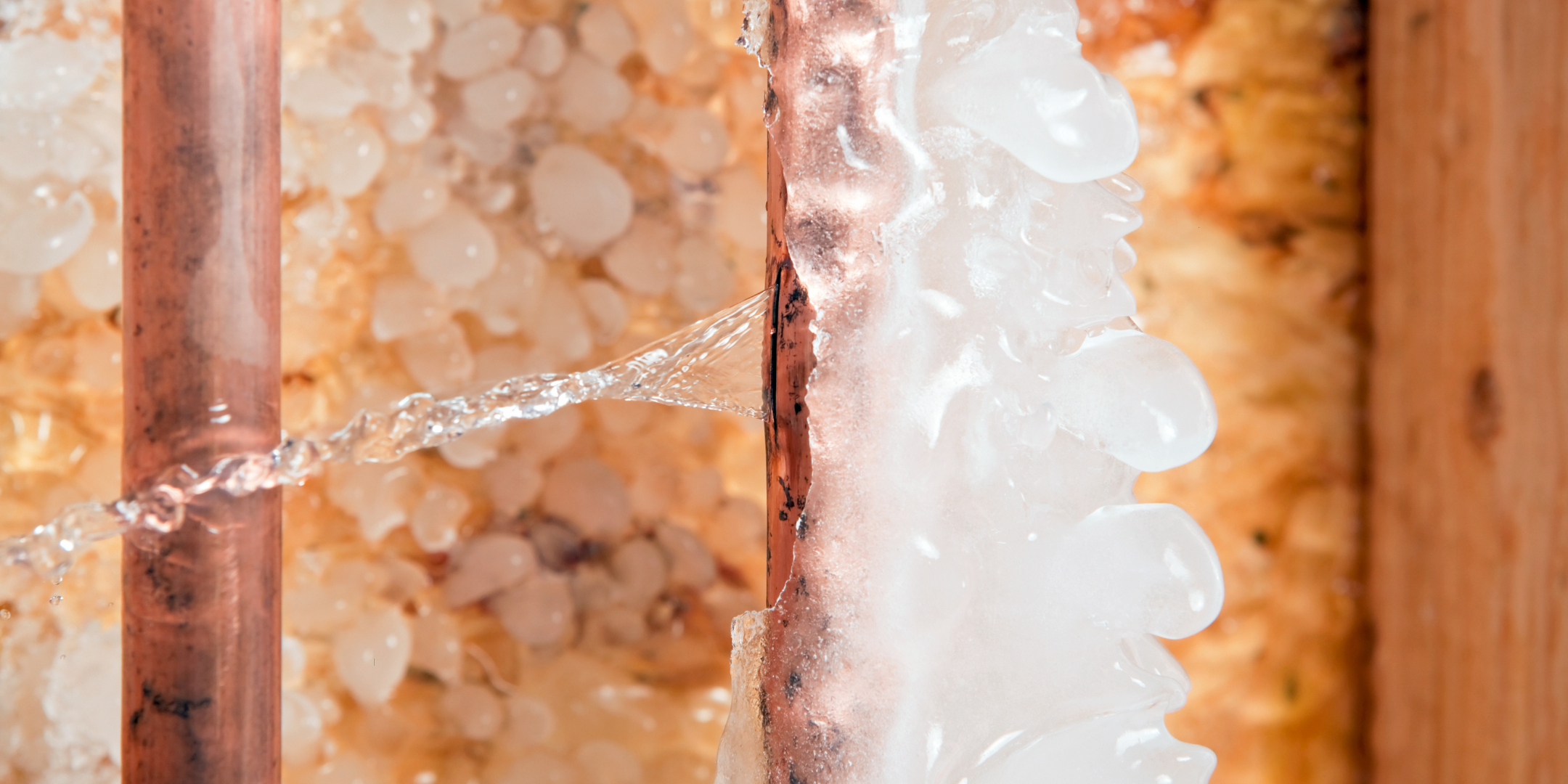
In moderate climates, pipe insulation is mostly about energy efficiency — keeping hot water hotter as it travels through your walls saves a few dollars on your utility bill each month. In the Columbia River Gorge and high desert areas of north-central Oregon and Washington, pipe insulation is often the difference between a functioning plumbing system and a five-figure emergency repair.
The Gorge corridor is one of the colder microclimates in the region. Stevenson, White Salmon, Lyle, and Dallesport sit in a zone where wind chill regularly pushes effective temperatures well below actual air temperature — and wind is the main reason pipes freeze even when the thermometer hasn't technically hit 32°F. Exposed pipes in crawl spaces, garages, and exterior walls in Gorge-area homes deserve serious attention in a way that pipes in a Gresham bungalow might not.
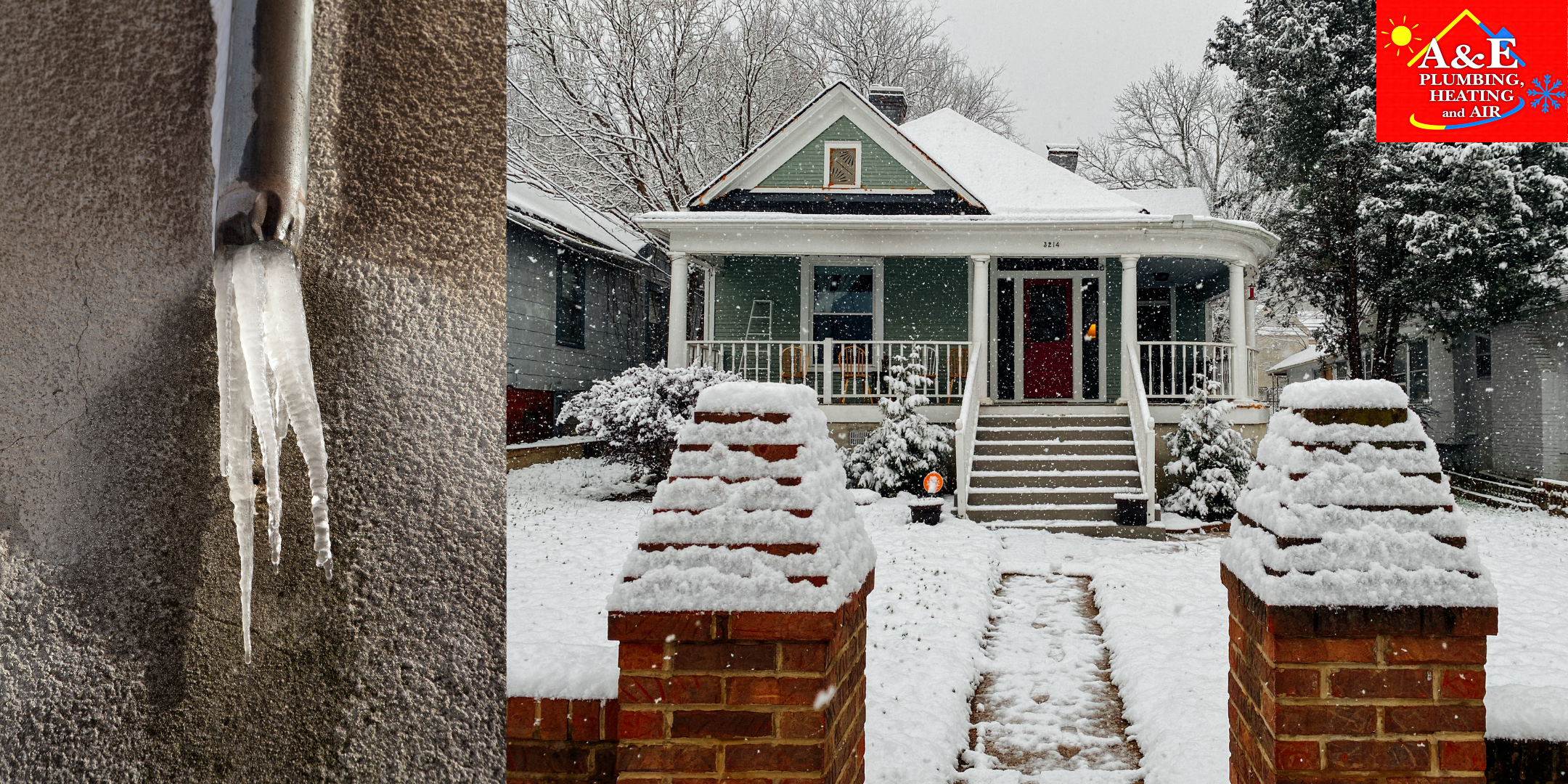
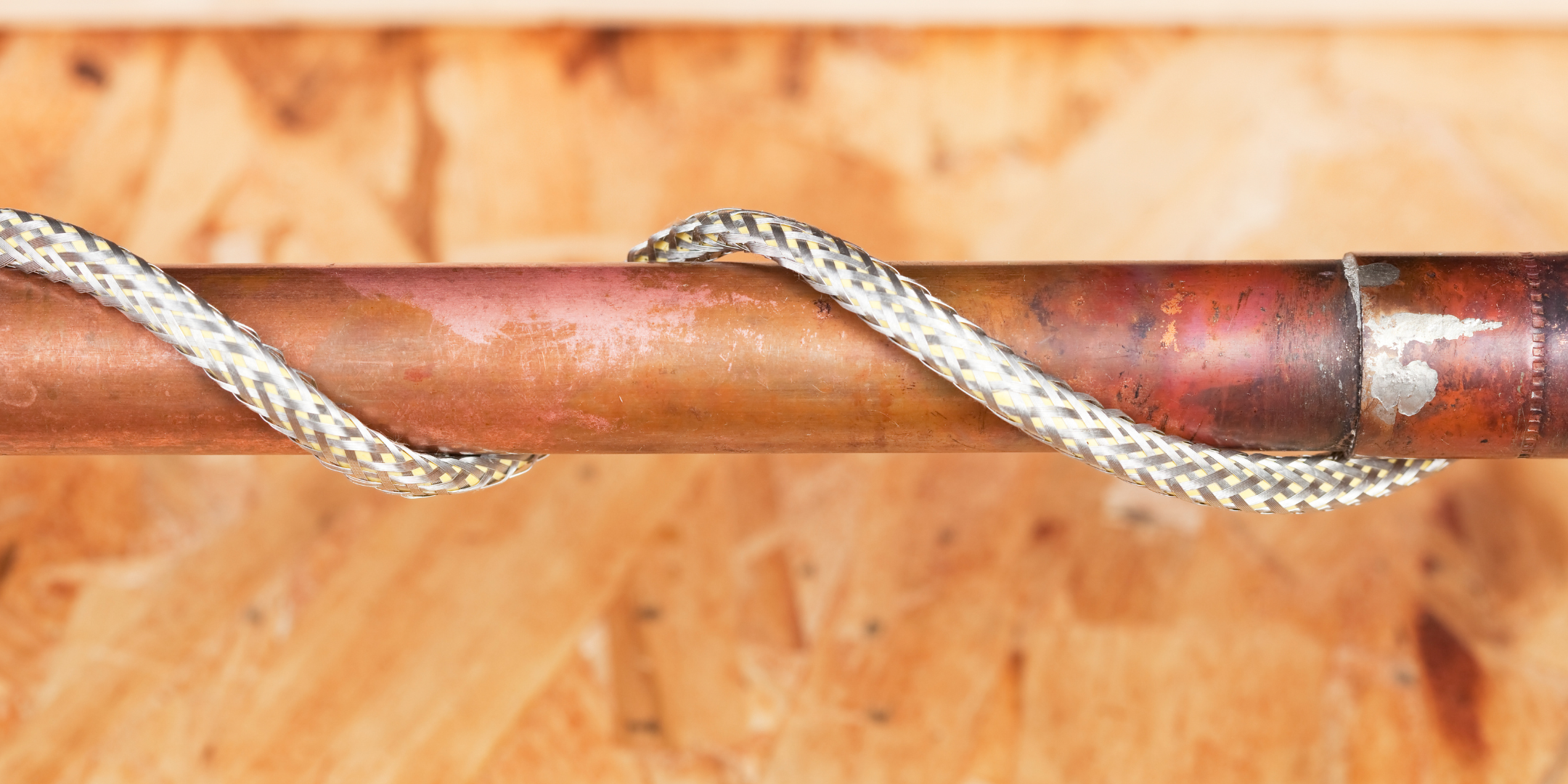
The most vulnerable locations we see in homes across our service area: pipes running through unheated crawl spaces (extremely common in homes on the Oregon side of the Gorge), pipes in garages that are used for storage but not climate-controlled, and the runs along exterior walls in older homes where insulation has settled or was never adequate. Mobile and manufactured homes, which make up a significant portion of housing in rural Wasco and Klickitat counties, have particularly exposed underfloor plumbing that should be insulated and protected with heat cable before each winter. The American Red Cross backs this up directly: insulating pipes in crawl spaces, garages, and along exterior walls, and adding heat tape or heat cable on the most exposed runs, are its standard recommended steps for preventing pipes from freezing (American Red Cross, Frozen Pipes).
If you've had a pipe freeze or burst in the last few winters, or if you're not confident about the protection on your crawl space or exterior runs, A&E Plumbing, Heating and Air can assess your system and install insulation and heat cable where it's needed. Schedule a plumbing winterization check before next season.
Choosing the Right Pipe Insulation for Your Home
When it comes to insulating your pipes, the right material makes all the difference. Whether you’re looking to prevent freezing, reduce noise, or enhance energy efficiency, each insulation option offers unique benefits tailored to specific needs.
As you began reading, you may have felt uncertain about which insulation material to choose. Now, you’re equipped with the knowledge to make an informed decision, whether you need insulation for hot water pipes, challenging spaces, or areas prone to moisture. Remember, choosing the right insulation is crucial for maintaining your home’s efficiency and safety.
Protect your home before the cold sets in – schedule your service call today. Our experts are standing by to insulate your home’s pipes and keep your plumbing in top condition.
Frequently Asked Questions
What is the best pipe insulation to prevent freezing?
Foam and rubber insulation are the standard choice for freeze protection on residential lines because they’re easy to install continuously along a pipe run with no gaps, which matters more for freeze protection than the material’s raw R-value. For the most exposed runs, our techs assess the specific pipe and recommend fiberglass, mineral wool, or added heat cable where insulation alone isn’t enough.
What type of pipe insulation is best?
There’s no single best type, it depends on the pipe. Hot water lines do best with fiberglass or mineral wool. Cold water lines and budget winterization projects do well with foam or rubber. Irregular spaces need spray foam.
Do I need to insulate pipes in my crawl space?
Yes, if the crawl space is unheated, which is common in older Gorge-area homes. Uninsulated pipes in an unheated crawl space are one of the most common places we see freeze damage.
Can I insulate pipes myself?
Foam and rubber insulation are both straightforward DIY jobs, most come pre-slit or self-sealing. Fiberglass and mineral wool call for protective gear and more careful handling. Spray foam is best left to a professional, since the wrong formulation can damage plastic pipe.
Topics: