Whether you are dealing with the dry, triple-digit scorching sun east of the Cascades in The Dalles or the.png?width=444&height=222&name=Hubspot%20Featured%20Image%20(18).png) heavy, humid air down in Vancouver, your home is supposed to be your sanctuary. Then, it happens. The comforting, low hum of your air conditioner cuts out, replaced by a sudden, deafening silence.
heavy, humid air down in Vancouver, your home is supposed to be your sanctuary. Then, it happens. The comforting, low hum of your air conditioner cuts out, replaced by a sudden, deafening silence.
Within minutes, your indoor oasis starts feeling like an oven. An unexpected cooling breakdown is more than a minor annoyance—it is a fast track to an uncomfortable, and sometimes unsafe, living environment. Whether you are currently sweating through a cooling crisis or trying to prevent one before the next wildfire smoke or heat season hits, understanding why AC units suddenly fail is your first step toward relief.
Let’s dive into what causes these sudden shutdowns and how to get your home back to baseline comfort.
Don't Sweat Out a Summer Heatwave Alone!
When your cooling system quits, A&E Plumbing, Heating and Air is ready to roll. We provide rapid, dependable HVAC solutions across both sides of the Columbia River. From quick electrical fixes to complete system restorations, our Pacific Northwest team has you covered.

Understanding Your Cooling System: Where It Breaks Down
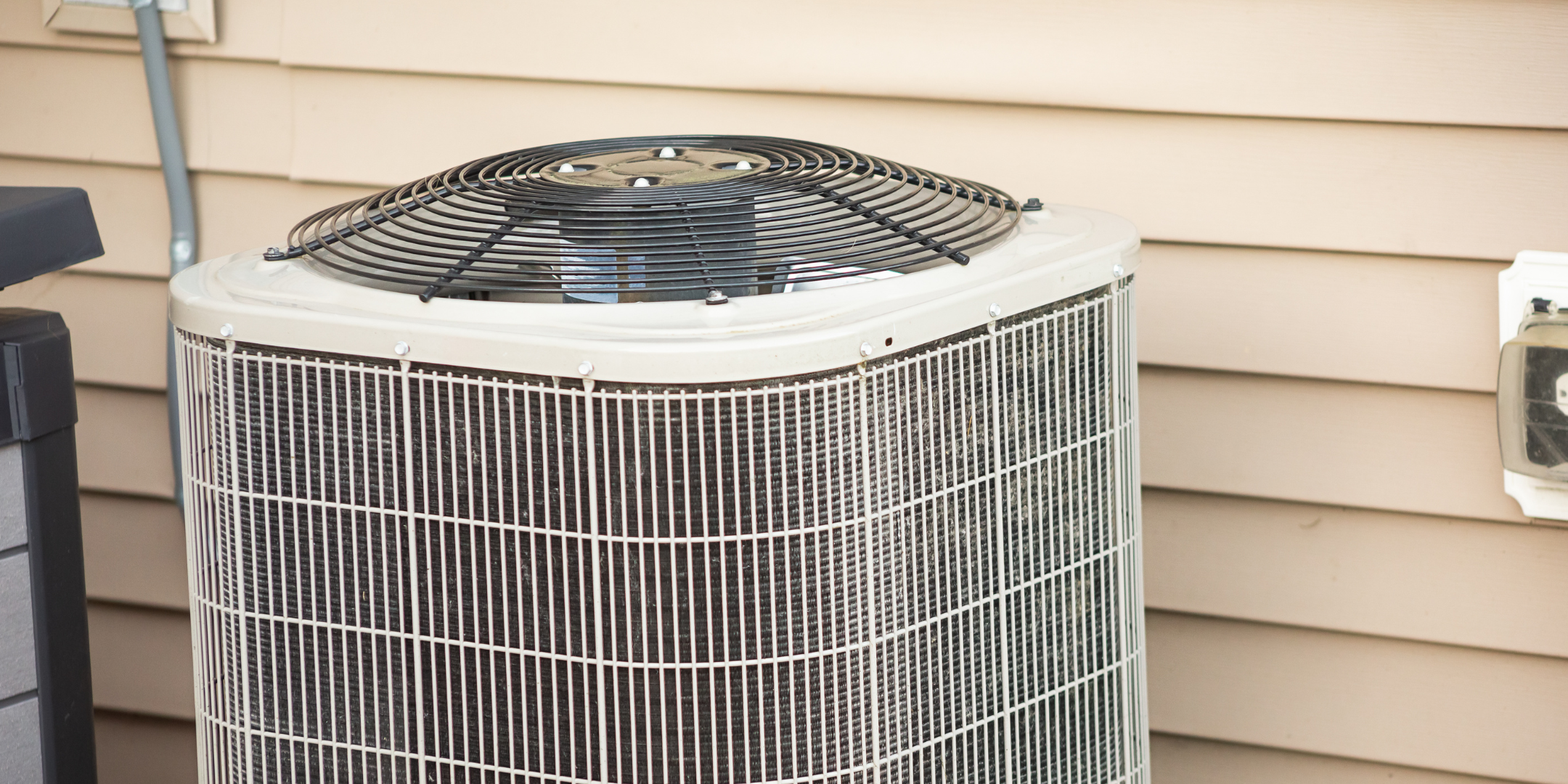
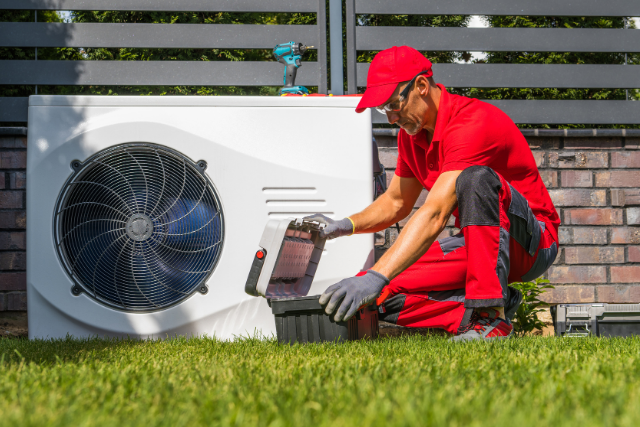
To tackle a breakdown, it helps to understand the battlefield. Your air conditioner relies on a precise balance between an indoor unit (evaporator) and an outdoor unit (condenser) working hard to pull heat out of your home. If one single component goes on strike, the entire system locks down to protect itself.
In our local region, outdoor units face unique challenges. High winds through the Columbia River Gorge whip up dust, cottonwood seeds, and debris in places like Lyle, Mosier, and Hood River, quickly clogging up outdoor condenser coils.
The most common catalysts for sudden system failure include:
- Electrical Overload: Tripped breakers, blown fuses, or failed capacitors.
- Refrigerant Issues: Drops in pressure due to microscopic leaks.
- Compressor Failure: The "heart" of the system locking up.
- Frozen Evaporator Coils: Usually caused by restricted airflow.
- Thermostat Glitches: A breakdown in communication between your wall control and the HVAC system.
As a homeowner, you deserve complete transparency. You have the right to a clear explanation of what failed, direct repair options, and fair pricing without hidden fees.
From Diagnosis to Cool Relief: The Repair Timeline
When your house is actively heating up, every minute counts. Knowing what to expect from an A&E Plumbing, Heating and Air service call can take the anxiety out of the process.
| Repair Step | What Happens | Typical Timeframe |
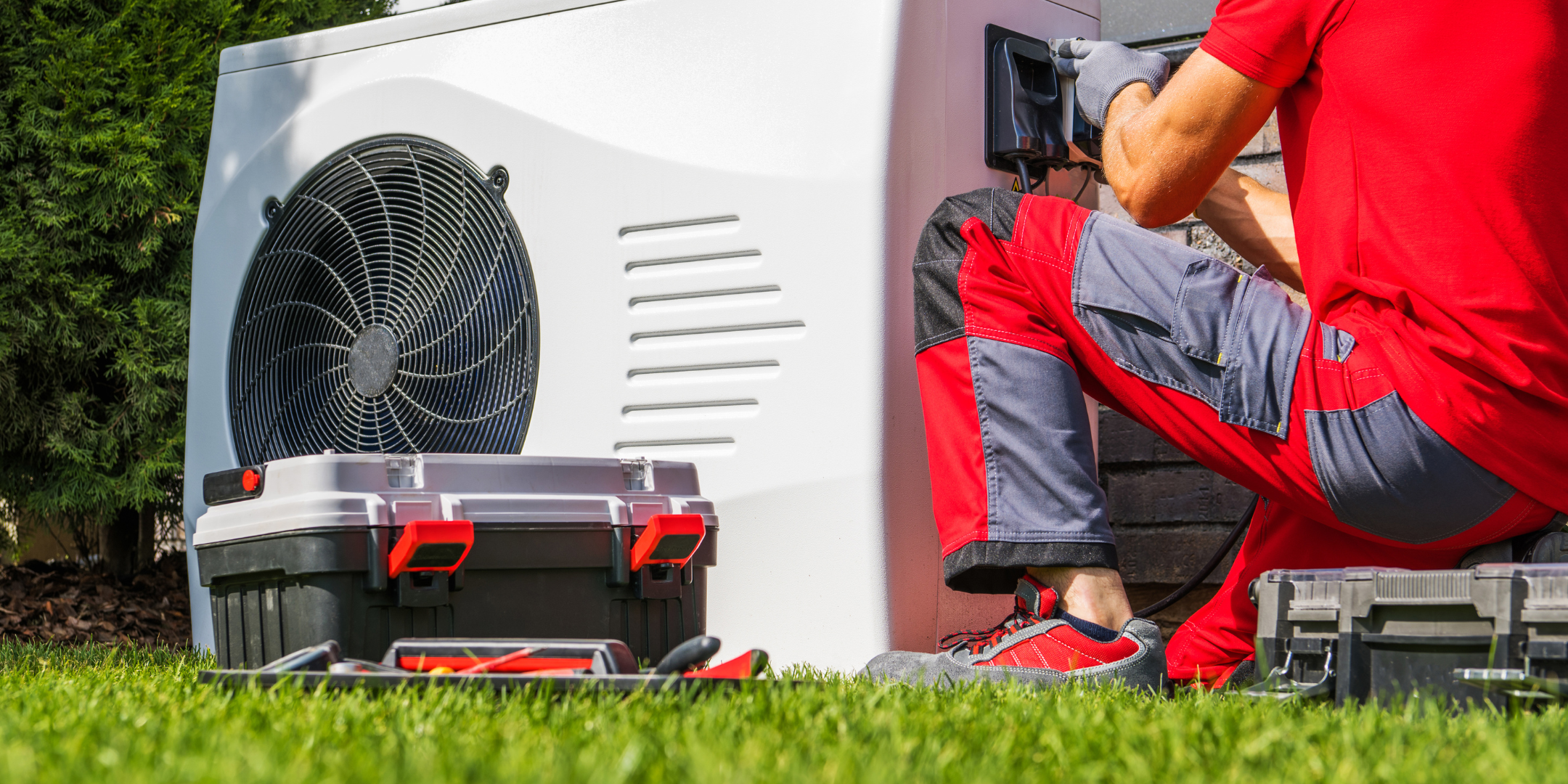
| 1. Comprehensive Diagnosis | A certified technician checks electrical connections, refrigerant pressures, and airflow to isolate the root failure. | 30 – 60 Minutes |
| 2. Transparent Proposal | You get an upfront breakdown of the issue, clear fixing options, and exact pricing before any work starts. | Same Day (Immediate) |
| 3. Sourcing Parts | Roughly 65% of common AC failures are fixed on the spot using parts stocked right inside our service vehicles. Specialty components may take 1 to 3 days to source. | Immediate to 3 Days |
| 4. The Actual Repair | Technicians swap out components. Simple electrical fixes are fast; major component replacements take longer. | 1 – 8 Hours (Varies by scope) |
| 5. System Load Testing | We test the system under load to ensure it cycles perfectly and won't cut out the second we drive away. | 30 – 60 Minutes |
Quick DIY Checks to Try Before You Call
Before you hit the panic button, there are a few safe, basic checks you can run. Sometimes the fix doesn't require a tool belt:
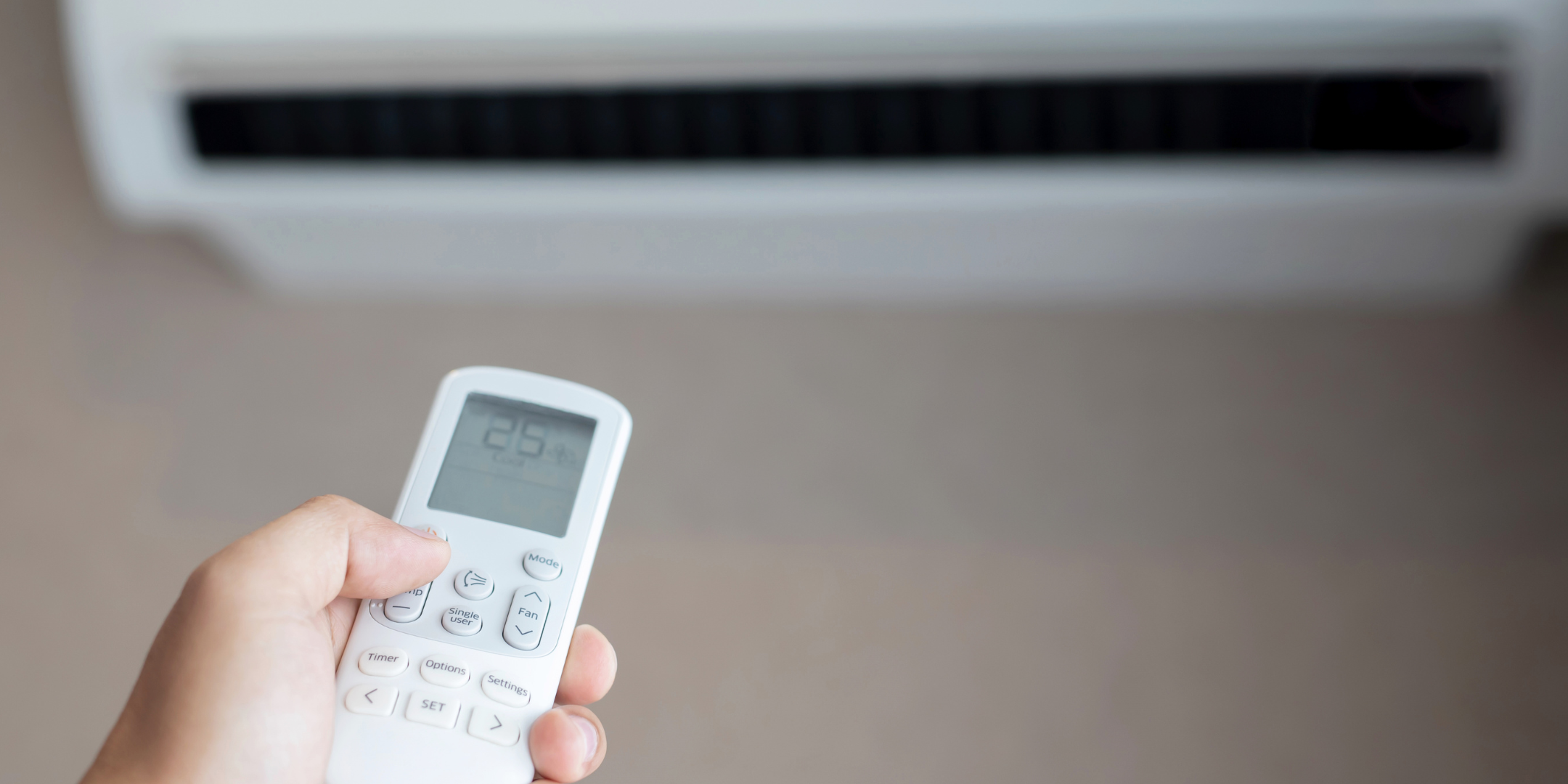
- Inspect the Thermostat: Is it set to "Cool"? Are the batteries dead? Swap them out just to be sure.
- Check the Electrical Panel: Did a heavy power surge during a summer storm trip your AC circuit breaker? Flip it completely to "Off" and then back to "On."
- Review Your Air Filter: A completely choked air filter restricts airflow so severely that your indoor coils can literally freeze into a block of ice, shutting down the system.
If these look good, it's time to call in the professionals. Complex tasks involving high-voltage electrical, sensitive refrigerant loops, or mechanical components require specialized gear and licensing.

The Compounding Costs of Delaying AC Repairs
When an air conditioner acts up but manages to limp along, it is incredibly tempting to ignore it—especially if you're worried about the repair bill. However, running a compromised system is a gamble that rarely pays off.
A failing capacitor left unaddressed will quickly overheat and destroy your compressor. Replacing a capacitor is a quick, affordable fix; replacing a compressor can mean buying a whole new unit.
Furthermore, a malfunctioning system drastically drags down efficiency. You will likely see your utility bills spike as your system works twice as hard to do half the job. In areas prone to summer smoke like Hood River or Stevenson, a broken AC also compromises your indoor air filtration, leaving your family exposed to poor indoor air quality.
Catch the Warning Signs Before Total Shutdown
Your air conditioner rarely fails without trying to warn you first. Keeping an eye out for these red flags can save you from a full-blown emergency:
- Bizarre Sounds: Screeching, clanging, or continuous clicking when the unit starts up.
- Weak Airflow: Air is cool, but it's barely whispering out of your vents.
- Short-Cycling: The unit turns on and off every few minutes without ever cooling the house down.
- Unexplained Utility Spikes: Your power bill jumps drastically compared to the same month last year.
Pro Tip: Catching an HVAC issue early saves homeowners an average of 30% to 40% on total repair costs compared to calling for an after-hours emergency breakdown service during a record-breaking heatwave.
The Power of Seasonal Maintenance
Want to stay off our emergency schedule entirely? The secret is preventive maintenance.
Annual tune-ups allow our technicians to catch tiny cracks, loose wires, and low refrigerant levels before they turn into a 5:00 PM breakdown on a Friday. During a standard maintenance visit, we clean out the dust and debris common to windy areas like Mosier and Lyle, calibrate your thermostat, and ensure optimal energy efficiency.
Remarkably, nearly 80% of all emergency cooling repairs could have been completely prevented with consistent seasonal maintenance. Plus, a well-maintained system can last 3 to 5 years longer than one left to fend for itself.

Repair vs. Replace: Making the Smart Choice
When your AC goes down, you face a major decision: fix the old unit or invest in a new one? We recommend looking at three primary factors:
- The Age of the System: If your unit is under 8 to 10 years old, a repair is almost always the smartest, most economical move. If it's pushing 15 years, a replacement is likely around the corner.
- The "5,000 Rule": Multiply the age of your system by the cost of the repair. If the total exceeds $5,000, investing that money into a highly efficient modern replacement makes better financial sense.
- Efficiency Gains: Modern cooling systems use significantly less electricity to cool your home. Upgrading can noticeably drop your monthly operating costs while providing more consistent climate control.
How to Stay Cool While You Wait for the Tech
If your AC goes out and you are waiting for an A&E technician to arrive, use these strategies to keep your home’s temperature manageable:
- Block the Sun: Close all blinds, curtains, and shades immediately—especially on south- and west-facing windows.
- Utilize Air Movement: Turn on ceiling fans to create a wind-chill effect on your skin (just remember, fans cool people, not rooms—turn them off when you leave the space).
- Avoid Internal Heat: Skip the oven, dryer, and dishwasher. Cook outside on the grill or opt for cold meals.
- Harness the Gorge Breeze: If you live in Hood River, Stevenson, or The Dalles, the temperature often drops comfortably in the evening. Open windows to capture that cross-ventilation overnight, but make sure to seal the house back up early in the morning before the sun hits.
Frequently Asked Questions
1. Why is my AC blowing room-temperature air while the outdoor fan is spinning?
This usually means your indoor blower fan is working fine, but the actual cooling loop has failed. The culprits are typically a failed compressor, a dead capacitor preventing the outdoor compressor from starting, or a major refrigerant leak. Turn the system to "Off" at your thermostat immediately to prevent the fan from overheating or damaging components further while you wait for a technician.
2. How fast can A&E get to me during a regional heatwave?
During major Pacific Northwest summer spikes, emergency calls are triaged based on safety needs (such as homes with the elderly, infants, or medical vulnerabilities). Because our service territory spans key hubs like Vancouver, Gresham, and right through the Columbia River Gorge to The Dalles, we position our technicians strategically to provide fast, same-day or next-day relief as much as possible.
3. Could a sudden shutoff be a grid or power issue rather than a broken unit?
Absolutely. Summer grid strain can cause brief "brownouts" or power flickers that trip your AC's built-in safety switches. Check your main electrical panel. If you reset the breaker and it instantly trips again, do not force it. That indicates a direct electrical short or a failed component that requires professional diagnostic tools to fix safely.
4. What are the average costs for diagnosing and fixing a sudden failure?
A standard diagnostic fee generally runs between $75 and $150, which covers the technician's time and expertise to pinpoint the exact failure. Minor electrical fixes (like a standard capacitor or contactor) usually cost between $150 and $300. Addressing a refrigerant leak or replacing complex components will run higher. We always give you a firm, guaranteed quote before any work begins so there are no surprises.
5. Why should I trust a local HVAC pro over a handyman?
Modern air conditioning systems are highly regulated, complex machines containing high-voltage electricity and chemical refrigerants. Certified HVAC professionals carry EPA certifications to handle refrigerants legally and safely, hold specialized diagnostic tools, and offer robust warranties on their workmanship. Working with an authorized team like A&E also ensures your manufacturer’s equipment warranty stays completely valid.
Partner with the Pros at A&E Plumbing, Heating and Air
When your home's air conditioner decides to take an unannounced summer vacation, you don't have to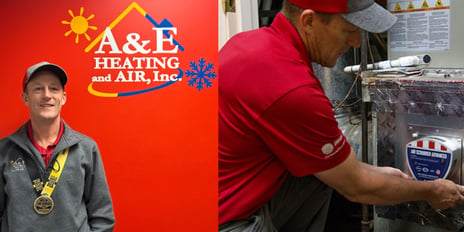 sweat it out. Connecting with a locally owned, certified HVAC specialist ensures the job gets done right the first time.
At A&E Plumbing, Heating and Air, our technicians are highly trained, fully licensed, and deeply familiar with the unique climate demands of both Oregon and Washington communities. We pride ourselves on clear communication, clean work, and dependable results that restore your peace of mind along with your indoor climate.
Ready to get your cool back?
Don't let the summer heat get the upper hand. Contact A&E Plumbing, Heating and Air right now to get an expert technician headed your way!