
It starts off subtly—just a faint mustiness when you turn on the AC. You convince yourself it’s nothing, maybe just a trick of the senses. Maybe you left a damp towel somewhere, or maybe it’s just the house adjusting to the weather. But then it gets worse. That mild, barely noticeable scent turns into something stronger, something unmistakable. Suddenly, your entire home smells like a damp basement, and no amount of open windows, air fresheners, or scented candles seem to help.
At first, it’s easy to ignore, but as the days pass, it becomes clear that this isn’t going away on its own. Covering it up won’t solve the problem—the only way to get rid of it for good is to clean your AC properly.
With over 16 years of experience, we understand how to keep HVAC systems running efficiently and odor-free.
By the time you finish reading this, you’ll know exactly why your AC is producing that musty odor, how to deep clean it so it runs efficiently again, and what steps you can take to keep your home’s air fresh and clean moving forward.
If your air conditioner is making your home smell like an old storage unit, it’s time to fix the issue at the source. Let’s get started.
Why Does Your AC Smell Musty?
Before we jump into cleaning, let’s talk about why your AC smells off in the first place. Spoiler alert: It’s not just bad luck.
Your AC naturally creates moisture as it cools your home. Normally, this water drains away, no problem. But when something disrupts that process—like a clogged drain line or dirty coils—moisture lingers. And guess what loves moisture? Mold, mildew, and bacteria.
Here are the usual culprits behind musty AC smells:
- Clogged condensate drain line (causing standing water)
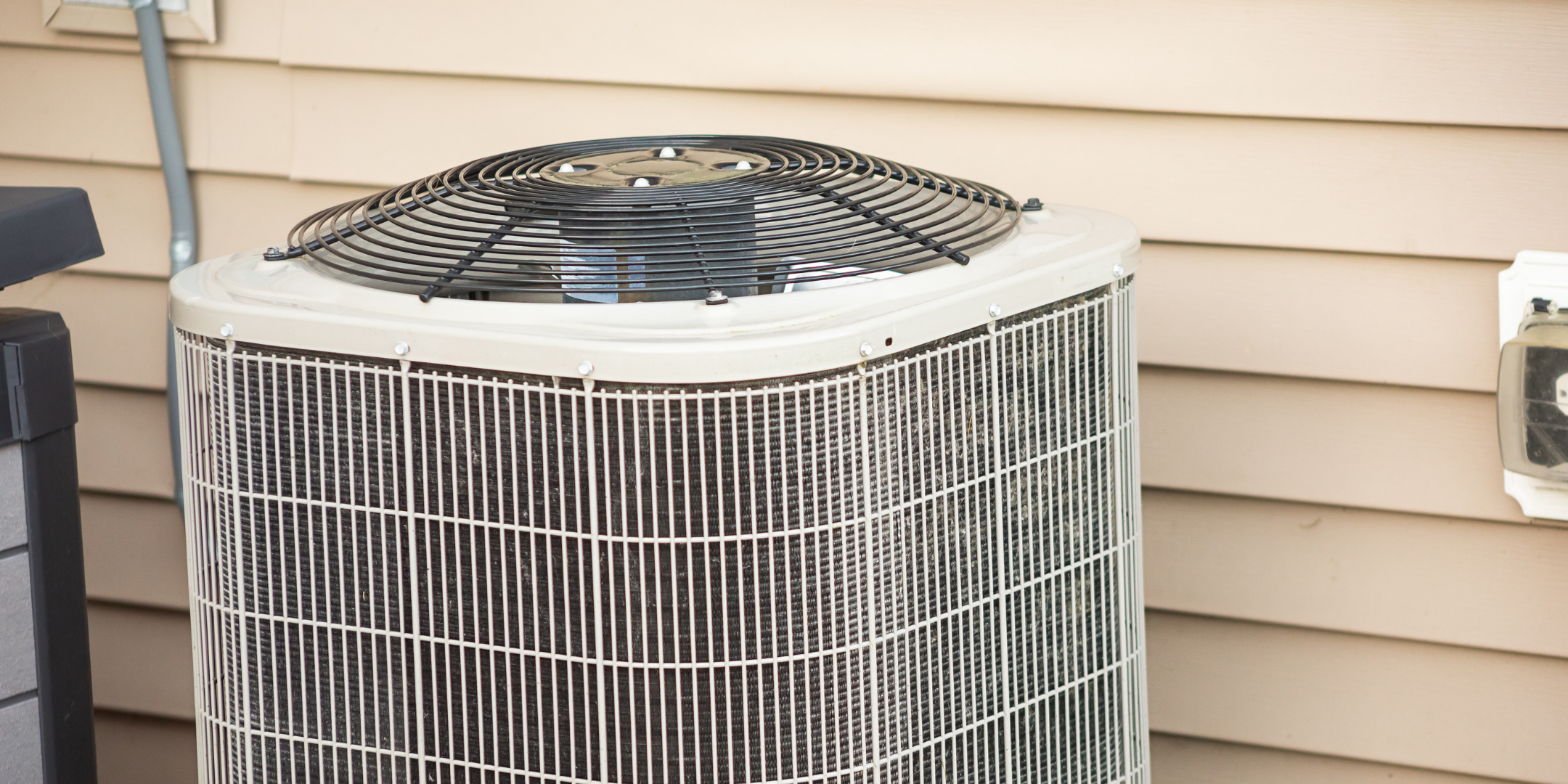
- Dirty evaporator coils (trapping dust and moisture)
- A filthy air filter (circulating mold spores and dust)
- Damp ductwork (especially if you live in a humid climate)
The good news? All of these issues are fixable. The bad news? Ignoring them will only make the smell worse. So let’s clean things up.
Step 1: Change Your Air Filter
You know how you’re supposed to floss daily but probably don’t? Changing your AC filter is the HVAC version of that.
Your filter traps dust, dirt, pet hair, and other airborne gunk before it can clog up your system. But when it gets too dirty, it turns into a moldy, musty mess that your AC then blows into your home.
How to Change Your Filter:
- Turn off your AC for safety
- Locate the filter—usually in a return vent or near the indoor AC unit.
- Remove the old filter (try not to inhale too deeply).
- Insert a fresh filter, making sure it’s facing the right direction (the arrow should point toward the system).
How often should you change it?
- Every 1–3 months for most homes
- Every month if you have pets, allergies, or live in a dusty area
It’s a five-minute job that makes a huge difference, so no excuses.
Step 2: Clear the Condensate Drain Line
Your AC has a drain line that removes excess moisture from the system. But when it gets clogged, standing water builds up, creating the perfect breeding ground for mold.
If you’re smelling mildew every time the AC runs, this could be the culprit.
How to Unclog It:
- Locate the drain line (usually a PVC pipe near your indoor unit).
- Remove the cap and check for blockages.
- Use a wet/dry vacuum or a vinegar solution (1:1 water to vinegar) to flush it out.
- Repeat every few months to keep it clear.
Pro tip: If water is pooling near your indoor unit, your drain line is likely clogged. Handle it ASAP to avoid bigger problems.
Step 3: Clean the Evaporator Coils
Your evaporator coils absorb heat and remove humidity, but over time, they get covered in dust and grime. And when that happens, your AC has to work harder, and moisture starts collecting where it shouldn’t.
How to Clean Them:
- Turn off your AC at the breaker.
- Open the access panel on your indoor unit.
- Use a soft brush or a no-rinse coil cleaner to gently remove dirt buildup.
- Close the panel and let everything dry before turning your system back on.
Bonus tip: If your coils are really dirty, your system probably isn’t cooling as well as it should. Keeping them clean improves efficiency and extends the life of your AC.
Step 4: Check and Clean Your Ducts
If your home still smells musty even after cleaning the AC, the problem might be inside your ductwork.
Signs Your Ducts Need Attention:
- You notice uneven cooling throughout your home.
- The musty smell lingers even when the AC isn’t running.
- You see visible dust buildup around vents.
How to Tackle It:
- Remove vent covers and vacuum inside ducts as far as you can reach.
- Wipe down vent covers with mild soap and water.
- If you suspect mold inside your ducts, consider professional duct cleaning.
If your ducts are damp or full of debris, they’ll just keep recycling that musty smell back into your home.

Step 5: Keep Your AC Smelling Fresh Year-Round
Once you’ve cleaned your system, the key is keeping it that way.
Here’s how to prevent future AC odors:
- Replace your filter regularly (seriously, don’t skip this).
- Use a dehumidifier if you live in a humid climate to prevent excess moisture buildup.
- Consider UV light installation to kill mold and bacteria inside your AC.
- Schedule annual maintenance to keep everything running efficiently.
A little maintenance now saves you from dealing with a stinky AC later.

Clean AC, Fresh Air, and Peace of Mind
You came here because your AC was making your house smell like a damp basement, a locker room, or worse. Maybe you weren’t sure if it was a simple fix or a sign of a bigger problem.
Now, you know exactly what causes musty AC smells, how to clean your system, and what steps to take to keep your air fresh year-round. A dirty filter, clogged drain line, or grimy coils might not seem like a big deal—until they turn your entire home into a moldy mess.
Cleaning your AC is a great first step in eliminating musty smells, but what if the odor keeps coming back? Sometimes, a deeper issue could mean it’s time to consider a replacement. Sometimes, cleaning can only do so much—find out if replacement is the next step. Should You Replace Your AC If It Has a Persistent Bad Odor?
Topics: