|
Short Answer A furnace blowing cold air is usually caused by the thermostat fan being set to On, a clogged air filter that made the furnace overheat, a clogged condensate drain, or an ignition, flame sensor or gas supply problem. Check the thermostat setting and the air filter first; both are free and take a few minutes. If those aren’t the problem, or the burners won’t stay lit, call a technician, and if you smell gas, leave the house before you call. |
Reviewed November 2026
It’s the first cold night of the year. You turn the heat on, hold your hand over the vent, and the air coming out feels no warmer than the room. Now you’re wondering if you need a new furnace before winter really starts.
We’ve been fixing furnaces in the Columbia River Gorge since 2009 and in the Gresham and Portland area since 2022, and a furnace blowing cold air is a common problem when the weather turns. The good news: the two most common causes are things you can check yourself in a few minutes, before you pay for a service call.
Below are the 7 reasons a furnace blows cold air, how to tell which one you have, what you can safely check, and when to call a pro. If you’re past the checking stage, our heating repair services page explains what a visit looks like.
Is It Normal for a Furnace to Blow Cool Air Sometimes?
Yes, a few seconds of cool air at the start or end of a heating cycle is normal; cool air that keeps blowing for minutes is not.
Furnaces wait for the heat exchanger to warm up before the blower turns on, but the air sitting in your ducts has cooled off since the last cycle, so the first puff can feel cool. After the burners shut off, the blower keeps running briefly to pull the last heat out of the furnace, and that air cools off as it goes.
- Normal: a short burst of cool air when the furnace starts, or air that cools off right before the blower stops
- Not normal: cool air for the whole cycle, burners that light and then shut off, or a furnace that keeps restarting
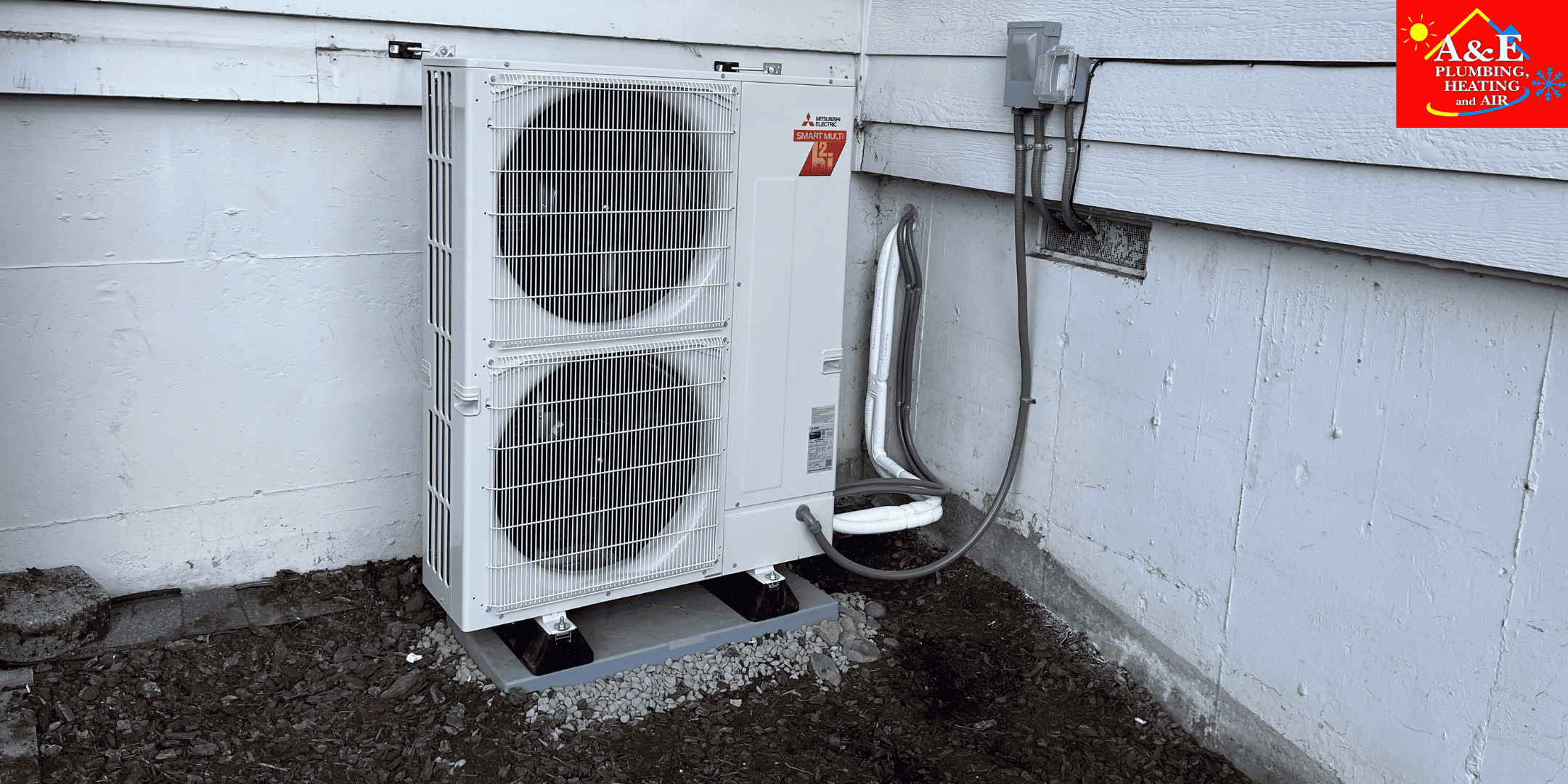
- Heat pump instead of a furnace? Heat pump air feels cooler than furnace air even when it’s working correctly. See the FAQ below
Which Cause Do You Have? A Quick Guide
Start at the top of this list; the first two causes are the most common and the easiest to fix.
|
Cause |
What you’ll notice |
What to do |
|
1. Thermostat fan set to On |
Room-temperature air between heating cycles |
Fix it yourself |
|
2. Dirty air filter |
Weak airflow; furnace heats briefly, then blows cool air |
Fix it yourself |
|
3. Clogged condensate drain |
Water near the furnace; burners shut off (high-efficiency furnaces) |
Check if you’re comfortable, or call a technician |
|
4. Pilot light out (older furnaces) |
No flame in the pilot window |
Relight per the label once; call if it keeps going out |
|
5. Ignition or flame sensor problem |
Clicking, burners light then shut off, blinking light on the control board |
Call a technician |
|
6. Gas or propane supply problem |
No flame at all; other gas appliances may be out too |
Check the valve and tank; call your gas company or a technician |
|
7. Leaky or disconnected ducts |
Warm air at some vents, cool air at others |
Call a technician |
1. Is Your Thermostat Fan Set to On Instead of Auto?
If the thermostat fan is set to On, the blower runs all the time, even when the furnace isn’t heating, so you feel room-temperature air between cycles.
This is the easiest fix on the list. On means the fan runs nonstop; Auto means it only runs when the furnace is actually heating.
- Check: find the fan setting on your thermostat (sometimes under a menu on smart thermostats) and set it to Auto
- While you’re there: make sure the system is set to Heat and the temperature is set a few degrees above the room
- Still blowing cool air on Auto? Move on to the air filter
More steps: Tips to Troubleshoot Your Thermostat
2. Could a Dirty Air Filter Be Making Your Furnace Overheat?
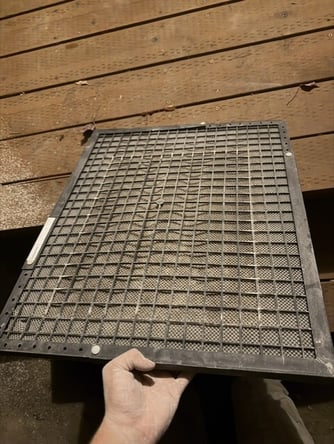
A clogged air filter is one of the most common reasons a furnace blows cold air: it chokes off airflow, the furnace overheats, and a safety switch shuts the burners off while the fan keeps running.
That safety switch (called a limit switch) is doing its job, protecting the furnace from damage. But the result is cool air until the furnace cools down and tries again. ENERGY STAR recommends checking your filter every month during heating season and changing it at least every three months (ENERGY STAR maintenance checklist).
- Signs: weak airflow from vents, a furnace that heats for a few minutes and then blows cool air, a dusty filter
- Fix it yourself: turn the furnace off, slide out the filter, and replace it with the same size (it’s printed on the frame). The arrow points toward the furnace
- Give it a few minutes: the furnace may need time to cool and reset before it heats normally again
- Call a technician if a clean filter doesn’t fix it. A furnace that keeps overheating can have a bigger airflow or blower problem
Not sure which filter to buy? See Which Air Filter is Right for My Home?
3. Is a Clogged Condensate Drain Shutting Off the Burners?
High-efficiency furnaces drain water, and if that drain line clogs, a safety switch shuts the burners off to prevent water damage, which can leave the blower pushing cool air.
If your furnace has white plastic (PVC) vent pipes instead of a metal flue, it’s a high-efficiency model that makes condensation. Dirt and algae can clog the drain line or trap over time.
- Signs: water on the floor near the furnace, a full condensate pump, or a gurgling sound
- If you’re comfortable: turn the power off at the furnace switch and check the drain line for a clog
- Otherwise, call a technician. Clearing the drain and checking the safety switch is a quick job, and it’s part of a regular tune-up
4. Has the Pilot Light Gone Out on an Older Furnace?
Only older furnaces have a standing pilot light, and if it goes out, the furnace can’t light its burners.
Most furnaces made in the last couple of decades use electronic ignition instead of a pilot light that stays lit (see cause 5). If you have an older furnace with a small flame visible through a window near the bottom, and that flame is out, the burners have nothing to light them.
- If you smell gas, don’t relight anything. Leave the house and call your gas company or 911 from outside
- If there’s no gas smell: follow the relighting instructions printed on the label inside the furnace door
- Call a technician if it keeps going out. A pilot that won’t stay lit usually means a worn thermocouple or a draft problem, and on a furnace that old, it’s worth talking about repair versus replacement
5. Is It an Ignition or Flame Sensor Problem?
On modern furnaces, a dirty flame sensor or a failing ignitor is a common reason the burners won’t light or won’t stay lit, and that’s a job for a technician.
Modern furnaces light with an electronic ignitor, then a flame sensor confirms the burners are actually lit. If the sensor is coated with grime, it can’t “see” the flame and shuts the gas off within seconds as a safety measure. After a few failed tries, many furnaces lock themselves out.
- Signs: clicking at startup, burners that light and then go out a few seconds later, or a blinking light on the control board
- Quick check: turning the furnace off at the power switch for about 30 seconds and back on can clear a lockout and let it try again
- Call a technician if it locks out again. Cleaning a flame sensor or replacing an ignitor is routine for us, and the blinking code tells the tech where to start
6. Is Your Furnace Getting Gas or Propane?
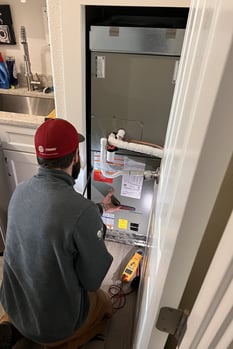
A furnace with no gas can’t make heat, so if the burners never light at all, check the gas supply before anything else.
The blower may still run, which is why you feel air but no heat.
- Check the gas valve: the handle on the gas line near the furnace should run in the same direction as the pipe
- Check other gas appliances: if the gas stove or water heater is out too, the problem is the gas supply, not the furnace. Call your gas company
- On propane? Check the tank gauge. Running low is common in rural homes on cold stretches
- If you smell gas (rotten eggs): leave without flipping switches and call 911 or your gas company from outside. NW Natural customers can find safety steps on NW Natural’s safety page
7. Are Leaky or Disconnected Ducts Cooling the Air Before It Reaches You?
If the air is warm near the furnace but cool at some vents, your ducts may be leaking heat into the attic, crawl space or walls.
ENERGY STAR says a typical house loses about 20 to 30 percent of the air moving through its ducts to leaks, holes and poorly connected ducts (ENERGY STAR duct sealing). A duct that has come apart completely can dump heated air into the crawl space while one room stays cold.
- Signs: some rooms warm and others cold, weak airflow at certain vents, higher heating bills
- Check: make sure the vents in cold rooms are open and not blocked by furniture or rugs
- Call a technician to find and fix the leak. Many leaks are hidden inside walls or crawl spaces, and a pressure test finds what you can’t see
Related: 5 Common Ductwork Problems That Impact Your HVAC Performance
What Should Gorge and Portland-Area Homeowners Know About Furnaces Blowing Cold Air?
Cold-air problems usually show up in the first cold weeks, when a furnace that sat all summer gets switched back on. In the Gorge, summer wind and wildfire smoke clog filters fast, so check yours first. If you heat with propane, check the tank before a cold stretch. In Gresham and Troutdale, the east wind and freezing rain can push an older furnace past its limits, so if yours struggled last winter, have it checked early. See our The Dalles HVAC services or Gresham HVAC services.
What Should You Do If Your Furnace Is Blowing Cold Air?
Start with the two free checks: set the thermostat fan to Auto and replace the air filter. If you still get cold air, the burners won’t stay lit, or you smell gas, call a technician. We’ve been repairing furnaces in the Gorge since 2009, and we’ll walk you through your options before any repair starts.
To keep this from happening next winter, read 7 Furnace Maintenance Tips.
|
Need help with your furnace? Schedule a service call or call (541) 387-3311 in the Gorge or (503) 618-9646 in Gresham. A&E Plumbing, Heating and Air repairs furnaces and heat pumps in Hood River, The Dalles, Cascade Locks, White Salmon, Gresham, Troutdale and the Portland metro area. |
Frequently Asked Questions About a Furnace Blowing Cold Air
Why does my furnace blow cold air for a minute when it first turns on?
The air sitting in your ducts cools off between heating cycles, so the first air out of the vents can feel cool. It should warm up within a minute or two. If it stays cool for the whole cycle, check the thermostat fan setting and the air filter, then call a technician.
Why does my furnace blow cold air and then shut off?
That pattern usually means the furnace is overheating or can’t keep its burners lit. A clogged air filter can make it overheat and trip a safety switch, and a dirty flame sensor can make the burners shut off a few seconds after lighting. Replace the filter first; if that doesn’t fix it, call a technician.
Can a dirty air filter really make my furnace blow cold air?
Yes. A clogged filter restricts airflow, the furnace overheats, and a safety switch turns off the burners while the fan keeps running. Replacing the filter often fixes it, though the furnace may need a few minutes to cool and reset.
Is it safe to keep running a furnace that’s blowing cold air?
If you smell gas, leave the house and call your gas company or 911 from outside. If you smell burning or the furnace keeps shutting down, turn it off and call a technician. Otherwise, it’s fine to check the thermostat setting and replace the filter, but a furnace that isn’t heating should be looked at before a cold night.
Why does my heat pump blow lukewarm air?
Heat pumps deliver air that’s cooler than a furnace’s, so lukewarm air is often normal. In cold, damp weather a heat pump also runs short defrost cycles that can make the air feel cool for a few minutes. If the air stays cool and the house isn’t warming up, call a technician.
Topics: