If you’re comparing heating options like Mitsubishi Hyper-Heat, standard heat pumps, or furnaces, it’s usually because your current system isn’t meeting your needs—your home feels uneven, your energy bills keep rising, or you’re unsure what will actually work in our Northwest climate. You deserve clear answers, not conflicting advice or technical overload.
At A&E Plumbing, Heating and Air, we’ve spent more than 17 years helping homeowners across Oregon and Washington—from the Columbia River Gorge to the Portland and Gresham Metro— understand their HVAC options and make confident decisions.
By the end of this article, you’ll have a practical, easy-to-understand comparison of today’s most common heating systems, so you can determine what makes sense for your home, your comfort, and your long-term costs before taking the next step.
Mitsubishi Hyper-Heat vs. Standard Heat Pumps
Most online comparisons stop at surface-level explanations: “Hyper-Heat works better in the cold.”
While that statement is true, but it’s incomplete, and it doesn’t help homeowners understand what actually changes inside the home when temperatures drop.
Both Mitsubishi Hyper-Heat systems and standard heat pumps use electricity and transfer heat rather than creating it. That’s where the similarities end for homeowners who live in regions with long winters, persistent moisture, and frequent temperature swings.
Standard heat pumps are typically designed around average winter conditions. As outdoor temperatures fall, they lose access to usable heat energy and must work harder to keep up. In practice, this means many systems quietly switch to electric resistance backup heat—a feature homeowners often don’t realize they’re paying for until utility bills spike.
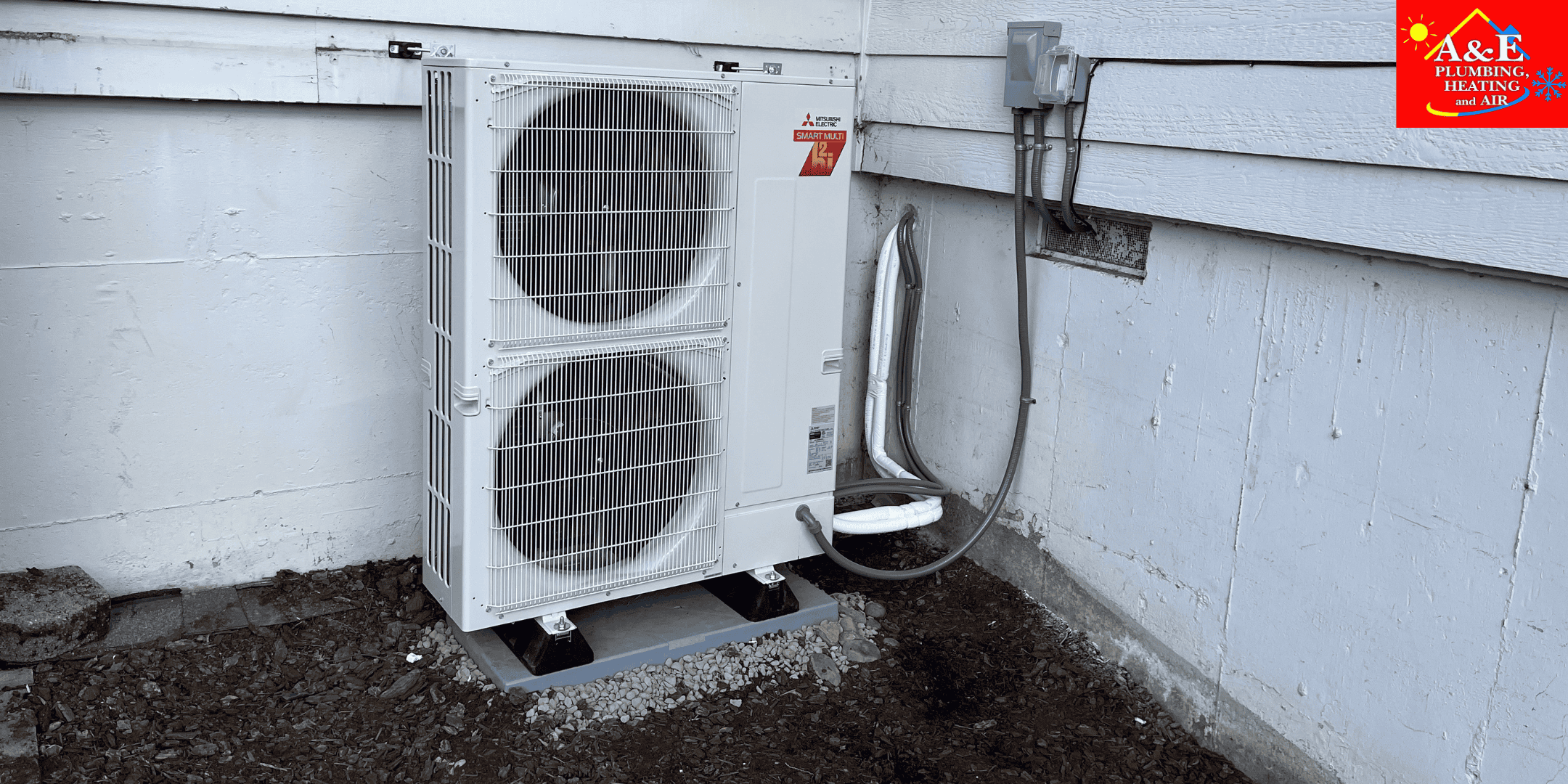
Mitsubishi Hyper-Heat systems, engineered by Mitsubishi Electric, are designed around worst-case winter conditions, not averages. Their compressors are built to maintain heating output at temperatures that push standard heat pumps past their efficient operating range.
What that difference looks like day-to-day:
- Heat output remains stable during freezing and sub-freezing weather
- Energy use stays predictable instead of spiking during cold snaps
- The system avoids frequent reliance on inefficient backup heating
- Indoor temperatures remain consistent instead of gradually drifting
For homes in Oregon and Washington—especially throughout the Columbia River Gorge—this isn’t a theoretical advantage. It directly affects comfort, energy cost control, and winter reliability.

Heat Pumps vs. Furnaces and Boilers
Many homeowners approach this decision assuming furnaces and boilers are still the “safe” cold-weather choice. They do perform well in low temperatures—but they operate on a fundamentally different model that comes with tradeoffs.
Furnaces and boilers:
- Generate heat through combustion
- Deliver heat in high-output cycles
- Require a separate cooling system
- Depend on fluctuating fuel markets
Heat pumps, including Hyper-Heat:
- Move heat continuously at lower output
- Use electricity rather than combustion
- Provide heating and cooling in a single system
- Allow more precise control of indoor temperature
This isn’t just a technical distinction. It changes how the home feels.
Furnaces tend to create noticeable temperature swings: warm air rushes in, the system shuts off, and the home gradually cools until the next cycle. Heat pumps operate more steadily, maintaining comfort rather than correcting discomfort after it happens.
For homeowners thinking beyond the next heating season—energy costs, system longevity, or future home upgrades—the conversation often shifts from “What’s familiar?” to “What adapts better over time?”
Performance and Everyday Comfort
Spec sheets don’t explain why one home feels calm and consistent while another feels drafty or noisy. That difference usually comes down to how the system delivers heat, not how much it can technically produce.
Temperature Stability That Feels Intentional
Mitsubishi Hyper-Heat systems use inverter-driven modulation, adjusting output continuously instead of cycling fully on and off. This results in:
- Fewer noticeable temperature changes throughout the day
- More even comfort across rooms
- Reduced need for thermostat adjustments
Rather than reacting to discomfort, the system maintains balance.
Zoning That Reflects How Homes Are Actually Used
Many Hyper-Heat configurations allow zoning, which means different areas of the home can operate independently. This matters in homes where:
- Heat naturally rises to upper floors
- Certain rooms are used only part of the day
- Older construction creates uneven heat retention
Instead of forcing the entire home to follow one temperature setting, zoning allows comfort to match daily routines.
A Quieter System Presence
Sound is rarely mentioned in HVAC comparisons, but it becomes noticeable once it’s gone. Hyper-Heat systems are designed to minimize startup noise, vibration, and operational sound—especially during nighttime heating cycles—making the system less intrusive overall.
Cost, Efficiency, and Long-Term Value
Hyper-Heat systems are often compared based on upfront cost alone, which misses the larger picture.
Efficiency That Matches Cold-Weather Reality
These systems are evaluated using modern efficiency metrics such as:
Higher ratings matter most in regions with extended heating seasons, where small efficiency gains compound over time.
Incentives That Change the Math
High-efficiency heat pumps may qualify for:
When applied correctly, these incentives can significantly reduce long-term ownership cost.
Why Regional Experience Changes Outcomes
System performance doesn’t exist in a vacuum. Homes across Oregon and Washington vary widely in insulation quality, construction era, layout, and exposure. Contractors with more than 17 years of experience across the Columbia River Gorge and into the Portland/Gresham Metro are better equipped to design systems that perform as expected—not just on paper, but through real winters.
Understanding Your Heating Options: A Quick System Comparison
| Feature / Category | Mitsubishi Hyper-Heat | Standard Heat Pump | Furnace / Boiler |
|---|---|---|---|
| Primary Function | Heat transfer with strong cold-climate performance | Heat transfer (best in mild climates) | Heat generation using combustion |
| Heating + Cooling | Yes (one system for both) | Yes (one system for both) | No (requires separate AC) |
| Cold Weather Performance | Designed to maintain heat output well below freezing | Performance drops as outdoor temps fall | Strong heating output regardless of outdoor temp |
| Need for Backup Heat | Rare or reduced | Often required in cold weather | Not needed |
| Seasonal Efficiency | High (efficient year-round) | Moderate to high (less efficient in cold weather) | Varies (depends on fuel & AFUE) |
| Comfort Consistency | Smooth, steady temperatures | Moderate, more cycling | Temperature swings with on/off cycles |
| Zoning Capabilities | Excellent (multi-zone options) | Limited | Requires add-ons for zoning |
| Operating Noise | Generally quiet | Moderate | Can be louder |
| Energy Costs Over Time | Typically lower in cold climates | Lower in mild climates | Depends on fuel prices |
| Carbon Footprint | Lower with clean electricity | Lower with clean electricity | Higher (combustion by-products) |
| Ideal For | Cold climates with long winters | Mild climates | Homes with existing combustion systems |
| Upfront Cost | Higher | Moderate | Moderate |
Is Mitsubishi Hyper-Heat the Right Choice?
Mitsubishi Hyper-Heat systems are not designed to replace every heating system. They are designed for homes where winter performance, energy predictability, and comfort consistency matter.
For homeowners dealing with cold-weather inefficiency, uneven temperatures, rising energy costs, or the need to replace both heating and cooling equipment, Hyper-Heat offers a distinct advantage—one that standard comparisons often oversimplify.
This resource exists to explain those differences clearly, so decisions are based on how the system will actually behave in your home and climate—not on marketing language or generic advice.
Understanding Heating Systems Before You Commit
With experience grounded in real homes, real climates, and evolving HVAC standards, guidance from seasoned professionals can help translate this information into choices that align with how you live and what your home needs.
Now that you’ve seen how systems compare, check out how Mitsubishi Hyper-Heat systems are evaluated, sized, and installed so you know exactly what to expect before moving forward.