|
Short Answer If you smell gas or your carbon monoxide alarm goes off, leave the house and call 911 before you do anything else. Otherwise, check the thermostat, the breaker and furnace switch, and the air filter. If those don’t bring your system back, stop resetting it and call a technician. |
Reviewed and published by Eduardo Ortega· November 2026
It’s late, it’s 25 degrees outside and the house is getting colder. The thermostat says the heat is on, but the vents are blowing nothing, or the furnace runs for a minute and quits.
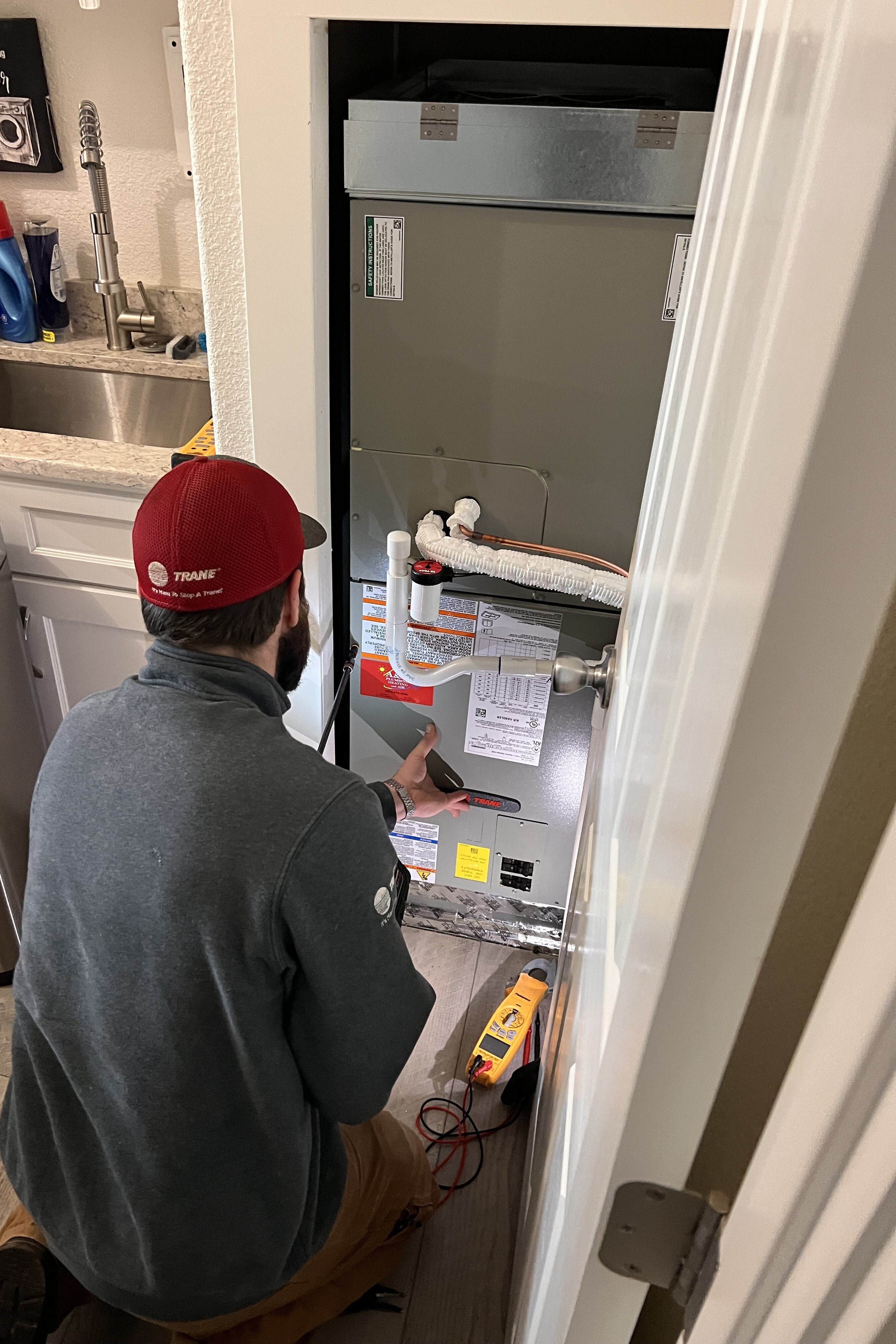
A&E Plumbing, Heating and Air has repaired furnaces and heat pumps across the Columbia River Gorge for over 17 years and in the Gresham and Portland area since 2022, and we’re rated 4.9 stars by local homes and businesses. It’s worth five minutes to rule out a thermostat setting, a tripped breaker or a clogged filter, because those you can fix yourself. Josh Adkins, who manages installations out of our Hood River office, draws the line this way: the thermostat and the filter are yours to check, the safety switches and condensate drain are fair game if you’re comfortable, and everything past that is a technician’s job.
Step 1: Is My HVAC Problem an Emergency?
First rule out the two problems that can hurt someone: a gas leak and carbon monoxide.
If you smell rotten eggs, don’t touch light switches or use your phone inside. NW Natural tells customers to leave right away, even if the smell seems mild, and call for help from a safe distance. Carbon monoxide has no smell, and the CDC lists headache, dizziness, nausea and confusion among its most common symptoms. If your alarm sounds or more than one person feels that way at once, get everyone outside and call 911.
Smoke or a burning electrical smell means turning the system off at the thermostat and calling a technician. A burning-dust smell the first time the heat runs in the fall is normal and fades within an hour or so.
Step 2: Is My Thermostat Set Correctly?
A wrong setting or a dead battery is the cheapest fix there is.
Make sure it’s set to Heat, then turn it up 5 degrees above the room temperature. If the screen is blank, replace the batteries, and check that a schedule or away setting isn’t holding the temperature down. Then give it a few minutes, since many systems wait before they start. It’s like a car that won’t start: you check that it’s in park and has gas before you open the hood.
Step 3: Did a Breaker or Switch Shut Off My Furnace?
A system that’s completely silent, with no fan and no clicking, is often just missing power.
Most furnaces have a power switch nearby that looks like a light switch and is easy to flip off by mistake. Then check your panel for a tripped breaker labeled furnace or heat pump, and if you find one, push it all the way off and back on, once. A heat pump also has a disconnect box next to the outdoor unit; make sure it’s on.
If the breaker trips again, leave it off and call a technician. A breaker that keeps tripping means something is drawing more power than it should. Likewise, turning a furnace off at its switch for about 30 seconds can clear a lockout once, but a second lockout needs a technician. If you just changed the filter and the furnace won’t run, make sure the front panel is seated all the way, since a safety switch keeps the furnace off while it’s loose.
Step 4: Could a Dirty Air Filter Shut Down My Heat?
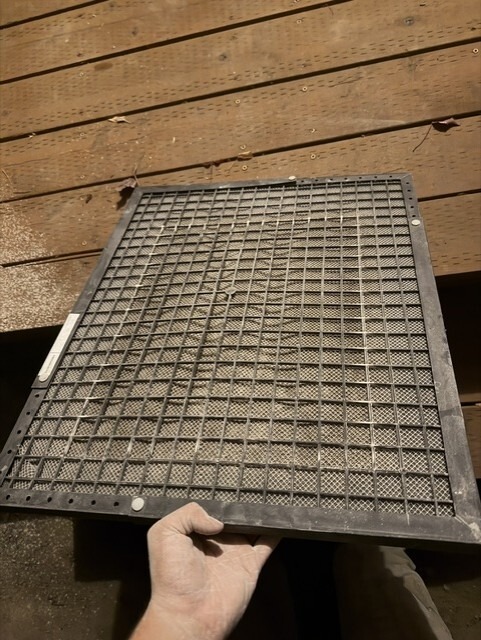
Yes. A clogged filter can make a furnace overheat and shut off, and changing it takes five minutes.
When air can’t get through, the furnace overheats and a safety switch called a limit switch shuts the burners off while the fan keeps blowing, so you feel cool air. ENERGY STAR recommends checking your filter monthly in heavy-use seasons and changing it at least every 3 months. Use the same size, printed on the frame, with the arrow pointing toward the furnace. For other reasons a furnace blows cool air, see Why Is My Furnace Blowing Cold Air? 7 Causes and What to Do
Step 5: Why Is My Heat Pump Iced Over or My Furnace Leaking Water?
Thick ice on a heat pump or water under the furnace can each shut your heat off. If the outdoor unit stays iced over for hours, switch to emergency heat, don’t chip at the ice, and see Why Is My HVAC System Freezing? 5 Causes and How to Fix Them Water under the furnace usually means a backed-up drain line tripped a float switch, a sensor that shuts the system off before it overflows.
Step 6: When Should I Stop Troubleshooting and Call a Technician?
Once the thermostat, power and filter check out, what’s left is a technician’s job.
That includes a furnace that clicks but won’t light, a breaker that trips twice, a heat pump that stays frozen and an outdoor unit that hums but doesn’t run. Opening panels beyond the filter door is where homeowners get hurt, because a furnace has live electricity and a gas supply in the same box.
When you call, give the brand and model number from the label inside the furnace door, any blinking light code, when the problem started and what you’ve tried. It’s like describing symptoms before a doctor’s visit: details save time.
Heating Repair
Heat Out? Let Us Take a Look.
If the thermostat, power and filter all check out, our technicians can find the problem and tell you what it will cost before any work starts.
What If My Heat Goes Out at Night or on a Weekend?
Keep warm with safe heat only, then call us or request service online. A space heater plugged straight into a wall outlet is fine for a night, but never heat your home with a gas oven or a grill, and run a generator only outdoors, more than 20 feet from windows and doors, as the CDC warns. Our offices are open 7:30 AM to 4:30 PM, and after you request service, our team calls within 1 business day to set a time.
As Steve F. wrote on our Hood River page, “We have a winter home away from the Gorge and had to call upon A&E for emergency service from afar. They took care of the problem promptly at a reasonable cost.”
How Can I Keep My HVAC From Breaking Down Again?
ENERGY STAR calls dirt and neglect the top causes of heating and cooling system failure, and a fall tune-up catches things like a dirty flame sensor or a clogging drain line before January.
A single tune-up from A&E is $198. Our Comfort Club costs $168 a year for a heat-only system or $336 a year for heating and cooling, and members get 15% off repairs and priority service when something breaks. See How Much Does an HVAC Maintenance Plan Cost in 2027?
What Should Gorge and Portland-Area Homeowners Know When the Heat Goes Out?
Cold snaps hit some parts of our service area harder than others. The Dalles and the eastern Gorge get the coldest east winds, which push heat pumps to their limits. In Hood River and Cascade Locks, the wind corridor drives cold into older homes, and when power returns after an ice storm, it’s worth checking the furnace switch and breaker before assuming something broke. In Gresham, Troutdale and the rest of the Portland metro, freezing rain is more common than deep cold, and it can coat a heat pump’s outdoor unit faster than the defrost cycle can keep up.
What to Do Next
Check for gas and carbon monoxide first, then the thermostat, the power and the filter. If none of that helps, stop resetting the system and call a technician. If your heat is acting up but hasn’t quit yet, your next step is to read 5 Common HVAC Problems Going Into Winter
|
Heat out or acting up? Schedule a service call with A&E Plumbing, Heating and Air, serving the Columbia River Gorge, Gresham and the Portland metro. |
Frequently Asked Questions About an HVAC System That Stops Working
Is it safe to reset my furnace?
Yes, once. Turn it off at its power switch for about 30 seconds and back on. If it locks out again, leave it off and call a technician, because repeated resets can damage the system.
What does emergency heat do on my heat pump?
It turns off the heat pump and runs only the electric backup heat. Use it when the heat pump has stopped or iced over, not in everyday cold, because backup heat costs more to run.
How do I keep my pipes from freezing when the heat is out?
Open kitchen and bathroom cabinet doors so warmer air reaches the pipes and let cold water drip from faucets served by exposed pipes, as the American Red Cross recommends.
