If you’ve been shopping for a new air conditioner lately, you’ve probably noticed something new: SEER2 ratings. What used to be 14 SEER and 16 SEER is now 14 SEER2 and 16 SEER2—and suddenly, comparing systems feels even more confusing than before.
By the end of this article, you’ll understand exactly how 14 SEER2 and 16 SEER2 air conditioners compare, what they cost to run in the Columbia River Gorge climate, and which option delivers the best long-term value for most homeowners in 2026. Whether you need routine maintenance or emergency repairs, making an informed decision is crucial when comfort, energy bills, and home budgets are all connected.
With more than 17 years of experience serving homeowners throughout Oregon and Washington, from the Columbia River Gorge into the Portland and Gresham Metro, we’ve watched efficiency standards evolve, utility rates rise, and homeowner priorities shift.
What Does SEER2 Actually Mean?
Let’s start with the basics.
SEER2 (Seasonal Energy Efficiency Ratio 2) is the updated federal standard for measuring how efficiently an air conditioner turns electricity into cooling. It replaced the old SEER system in 2023.
The new testing method is more realistic. It measures performance under:
-
Higher external pressure
-
Real ductwork conditions
-
Typical residential airflow
In other words, SEER2 reflects how systems perform in actual homes—not just in lab conditions.
Think of it like fuel economy ratings for cars. SEER2 is closer to “real-world driving” instead of “highway-only testing.”
For homeowners, this means:
-
A 14 SEER2 system = entry-level efficiency
-
A 16 SEER2 system = mid-to-high efficiency
-
Higher SEER2 = lower energy use over time
Those differences directly affect your monthly bills and long-term comfort.
Why SEER2 Ratings Matter in Gorge Homes
Homes in the Columbia River Gorge face unique environmental demands:
-
Hot summer afternoons
-
Cool evenings
-
Strong winds
-
Dust and pollen
-
Temperature swings
This causes air conditioners to cycle on and off frequently, rather than running steadily all day.
In this climate, efficiency affects more than just cost. It impacts:
-
System lifespan
-
Comfort consistency
-
Wear and tear
-
Repair frequency
-
Indoor air quality
SEER2 ratings help predict how well a system handles those real-life conditions.

Single-Stage vs. Two-Stage Cooling: Why It Matters for Daily Comfort
When homeowners compare 14 SEER2 and 16 SEER2 systems, most focus on efficiency numbers. But how a system runs day-to-day matters just as much as how efficient it is on paper.
This is where cooling stages come in.
Cooling stages determine how hard your air conditioner works when it turns on. That affects:
-
How steady your indoor temperature feels
-
How often the system cycles
-
How much humidity is removed
-
How much wear is placed on the equipment
For homes in the Columbia River Gorge—where temperatures can rise quickly in the afternoon and drop in the evening—this makes a noticeable difference in everyday comfort.
Single-Stage Cooling (Most Common in 14 SEER2 Systems)
Single-stage systems operate at one speed only: full power.
When your thermostat calls for cooling, the system turns on at maximum output. When the temperature is reached, it shuts off completely.
This design offers simplicity, but it also creates some limitations over time.
With single-stage cooling, homeowners often experience:
-
More frequent on-and-off cycling
-
Noticeable temperature swings
-
Rooms that cool unevenly
-
Higher electrical demand during peak hours
-
Less consistent humidity control
In practical terms, this can feel like your home is slightly too warm, then suddenly too cool, then warm again. Over a full summer, that pattern can become tiring—especially for people who value steady, predictable comfort.
Single-stage systems are reliable and affordable, but they tend to feel more “reactive” than responsive.
Two-Stage Cooling (Common in Many 16 SEER2 Systems)
Two-stage systems operate at two different power levels: low and high.
Most of the time, the system runs at the lower, quieter setting. It only switches to high power during extreme heat or rapid temperature changes.
This creates a very different experience inside the home.
With two-stage cooling, homeowners typically notice:
-
More even temperatures throughout the day
-
Fewer dramatic hot-and-cold cycles
-
Improved moisture removal
-
Quieter operation
-
Better airflow balance
Instead of waiting until the home is warm and then blasting cold air, the system gently maintains comfort in the background.
For many households, this creates a calmer, more stable living environment—especially during long summer stretches.
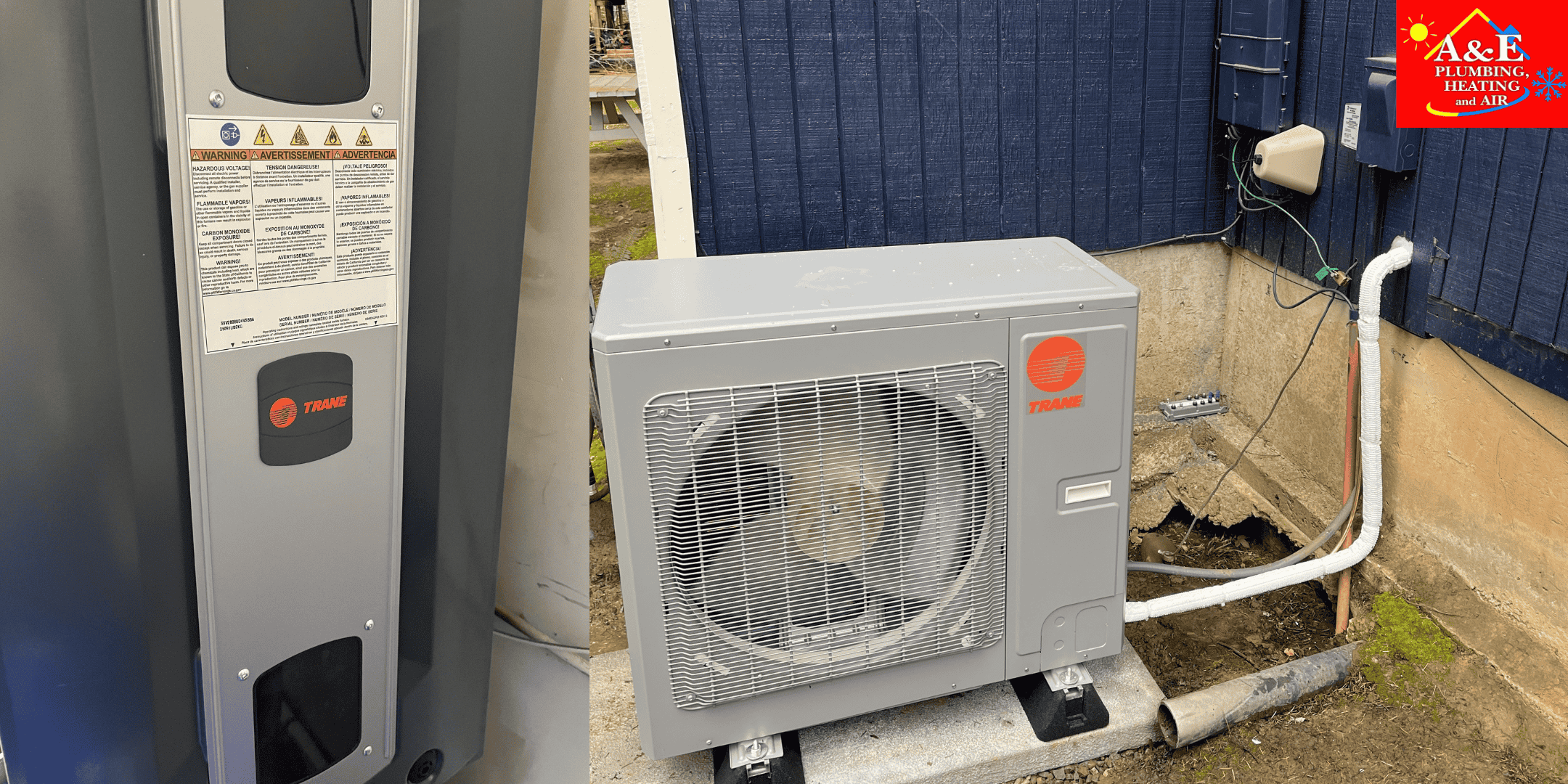
A Leading Example of the 16 SEER2 Tier: Trane XR16
A widely recognized example of a 16 SEER2 system is the Trane XR16, manufactured by Trane.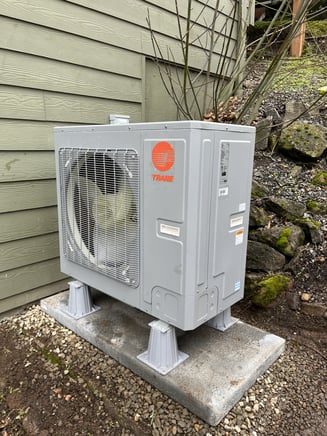
This model is often referenced because it reflects the characteristics many homeowners seek in this efficiency range.
The XR16 typically offers:
-
Up to 16 SEER2 efficiency
-
Reinforced coil construction
-
Proven component reliability
-
Compatibility with smart thermostats
-
Moderate, predictable pricing
It represents how a well-designed 16 SEER2 system balances performance and simplicity.
Rather than focusing on advanced features that many homeowners never use, it emphasizes:
-
Consistent cooling
-
Long-term durability
-
Straightforward operation
-
Serviceability
For buyers who want confidence without unnecessary complexity, this approach is appealing.
Choosing Between 14 and 16 SEER2 Air Conditioners
When you started reading, you were probably trying to make sense of confusing efficiency ratings, rising installation costs, and whether upgrading to 16 SEER2 would really pay off in your home. You may have been weighing comfort against budget, wondering how long you’d need to stay put for the numbers to make sense, and hoping to avoid regrets later.
With more than 17 years of experience serving homes throughout Oregon and Washington, from the Columbia River Gorge into the Portland and Gresham areas, we’ve seen how these systems perform year after year in real households. That experience helps guide homeowners toward choices that support both daily comfort and financial peace of mind.
If you’re now considering a specific system and want a deeper look at one leading 16 SEER2 option, explore our breakdown of the pros, cons, and cost of the Trane XR16 to continue building confidence in your next cooling decision.