
If you’re looking into heat pumps or comparing options like Mitsubishi Hyper-Heat, it’s usually because something isn’t working the way it should in your home—your heating feels inconsistent, winter energy bills are climbing, or you’re unsure which system can actually handle our Northwest climate.
At A&E Plumbing, Heating and Air, we’ve spent more than 17 years helping homeowners across Oregon and Washington—from the Columbia River Gorge to the Portland and Gresham Metro—understand how HVAC systems really perform in real homes.
By the end of this article, you’ll have a straightforward understanding of how today’s heat pump options work, what makes them different, and how to decide what’s right for your home, your comfort, and your long-term costs.
What Is the Mitsubishi Hyper-Heat?
Mitsubishi Hyper-Heating INVERTER® (often referred to as Hyper-Heat or H2i®) is a cold-climate air- source heat pump technology developed by Mitsubishi Electric. While many heat pumps are designed primarily for mild or moderate winters, Hyper-Heat systems are engineered with a different goal: to deliver dependable heat during prolonged cold conditions without falling back on inefficient backup heat.
What sets Hyper-Heat apart is not a single feature, but how the system behaves when outdoor temperatures drop and stay low. Many conventional heat pumps are technically capable of heating a home in cold weather, but their output and efficiency decline steadily as temperatures fall. At a certain point, they compensate by switching to electric resistance heat—an option that works, but significantly increases energy use and operating cost.
Hyper-Heat systems are designed to maintain usable heating capacity at outdoor temperatures as low as −13°F in many models. This capability is especially relevant in regions where winter conditions are steady rather than extreme—places where homes are exposed to weeks or months of cold, damp weather rather than brief cold snaps.
At the center of this performance difference is the inverter-driven compressor, which allows the system to respond dynamically instead of operating at a fixed speed.
How Heat Pumps Work
Traditional heating systems—such as furnaces or boilers—create heat. They burn fuel or use electric resistance to raise air or water temperature, then distribute that heat throughout the home. Heat pumps work on a different principle.
A heat pump moves heat instead of generating it.
Even when outdoor air feels cold, it still contains thermal energy. A heat pump captures that energy and transfers it indoors. In warm weather, the process reverses, moving heat out of the home to provide cooling.
The challenge with standard heat pumps is not the concept—it’s consistency. As outdoor temperatures drop, there is less available heat to extract, and many systems struggle to keep up. This is where design differences matter.
Hyper-Heat systems use variable-capacity operation, meaning the compressor continuously adjusts its output based on demand rather than switching fully on or off. This allows the system to:
- Increase output gradually during colder conditions
- Reduce output when demand eases
- Maintain longer, steadier run times instead of short, noisy cycles
This operating style supports more even indoor temperatures, reduced wear on system components, and better efficiency across the heating season, as outlined by Mitsubishi Comfort.
Why Cold-Climate Design Matters
In the Columbia River Gorge and across much of Oregon and Washington, winter rarely arrives all at once—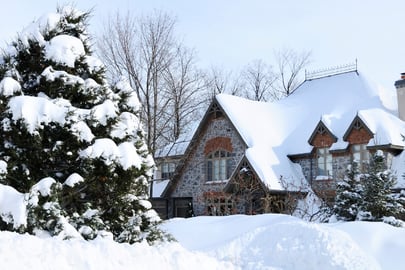 and it rarely leaves quickly. Instead, homes experience extended periods of cool to cold temperatures, high moisture levels, and limited daily temperature recovery.
These conditions place continuous demand on heating systems.
Traditional furnaces and boilers:
- Deliver strong heat but operate in on-off cycles
- Tend to overshoot temperatures, then shut down
- Can feel inconsistent during long heating seasons
- Are often more expensive to operate over time
Standard heat pumps:
- Perform well during mild winter conditions
- Lose efficiency as temperatures drop
- Frequently rely on costly backup heat during extended cold
Hyper-Heat systems are designed for exactly this type of sustained operation. Rather than treating cold weather as an exception, they are built to handle it as the norm. For homeowners in climates where winter lingers rather than spikes, this design focus becomes less about innovation and more about practicality.

Key Benefits That Actually Matter Day-to-Day
Rather than focusing on marketing claims, here are the benefits homeowners tend to notice over time:
Reliable heating in freezing conditions
Hyper-Heat systems are engineered to continue producing meaningful heat output in sub-freezing temperatures without immediately relying on backup heat.
Energy efficiency during long heating seasons
By adjusting output continuously instead of cycling on and off, these systems reduce wasted energy and support more predictable operating costs.
Lower sound levels
Steady operation results in fewer abrupt starts, reduced airflow noise, and a system that remains unobtrusive throughout the day and night.
Heating and cooling in one system
Hyper-Heat systems provide year-round comfort, eliminating the need to maintain separate heating and cooling equipment and simplifying long-term planning.
Why Understanding the Technology Isn’t the Same as Applying It
Knowing how Hyper-Heat works is helpful—but performance ultimately depends on how the system is designed, sized, and installed for a specific home. Factors such as insulation quality, layout, window exposure, and airflow pathways all influence how effectively the technology performs.
This is where regional experience becomes important. Professionals with more than 17 years of experience serving Oregon and Washington—throughout the Columbia River Gorge and into the Portland/Gresham Metro— are familiar with how local construction styles, moisture levels, and seasonal patterns affect system behavior.
That context helps translate advanced technology into real-world comfort rather than theoretical performance.

Standard Heat Pump vs. Mitsubishi Hyper-Heat
| Feature / Category | Standard Heat Pump | Mitsubishi Hyper-Heat System |
|---|---|---|
| Basic Function | Transfers heat from outside to inside (and vice versa). | Transfers heat from outside to inside, optimized for cold climates. |
| Cold Weather Performance | Heating capacity decreases significantly as temperatures fall. | Designed to maintain reliable heating output even at sub-freezing temperatures (often down to ~-13°F). |
| Heating Strategy in Cold Conditions | Often switches to electric resistance backup heat, which is less efficient and more expensive. | Rarely needs backup heat; maintains heat production using advanced compressor modulation. |
| Compressor Type | Fixed-speed or basic inverter technology; limited modulation. | Advanced inverter-driven compressor that modulates output to match demand precisely. |
| Energy Efficiency in Heating Season | Moderate efficiency; efficiency drops sharply in cold weather. | Higher effective efficiency across a wider temperature range due to continuous modulation. |
| Cooling Capability | Yes — cooling is included in the same system. | Yes — provides both efficient cooling and reliable heating. |
| Temperature Consistency | More noticeable temperature swings due to simple on/off cycles. | Smoother, more even temperatures thanks to variable output. |
| Noise Levels | Moderate; on/off operation and defrost cycles can be noticeable. | Quieter overall due to variable output and gentler cycling. |
| Best Climate Fit | Mild to moderate winter climates. | Cold and variable winter climates where extended cold demand is common. |
| Backup Heat Dependence | Often required in extended cold conditions. | Minimizes or eliminates reliance on backup heat. |
| Installation Requirements | Standard design procedures; less critical sizing. | Requires careful sizing and cold-climate design considerations for ideal performance. |
| Seasonal Operating Cost | Costs can rise significantly in extended cold weather. | Can offer lower seasonal costs in cold climates due to efficient heat transfer and reduced backup heat. |
| Comfort Experience | Good comfort in mild weather; can feel uneven in deep cold. | More consistent comfort in cold weather with fewer temperature swings. |
| Typical Home Use Case | Homes with mild winters or supplemental heat systems. | Homes in colder regions prioritizing year-round comfort and efficiency. |
How to Choose the Right Heat Pump for Your Home
When you started reading, you were likely trying to make sense of conflicting information—wondering why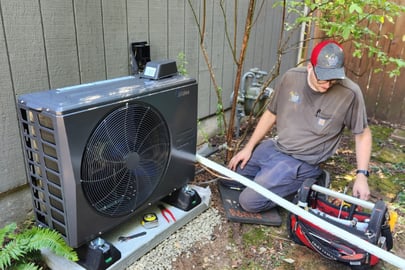 your home doesn’t stay as comfortable as it should, whether a modern heat pump can really handle colder weather, and how to choose a system without overpaying or guessing.
With guidance grounded in real-world experience and an understanding of how systems perform in homes like yours, the path forward becomes less overwhelming. If you’re ready to take this one step further, the next helpful move is to see how cold-climate heat pumps compare to other heating systems side by side, so you can evaluate what truly fits your home before making any decisions.