If you’ve been researching air conditioners, chances are you’ve seen the Trane XR16 pop up again and
again—and for good reason. It’s one of the most talked-about mid-range systems on the market. But is it actually right for your home, your budget, and your comfort expectations?
By the end of this article, you’ll know exactly what the Trane XR16 offers, what it doesn’t, what it truly costs, and how to decide if it fits your life. Whether you’re planning ahead or dealing with a system that’s on its last leg, making an informed decision matters—especially when comfort, energy bills, and long-term reliability are on the line.
With more than 17 years of experience serving homeowners throughout Oregon and Washington—from the Columbia River Gorge to the Portland/Gresham Metro—we’ve seen every HVAC success story and every “I wish I’d known this sooner” moment. This guide is built from real-world experience, not just spec sheets.
What Is the Trane XR16?
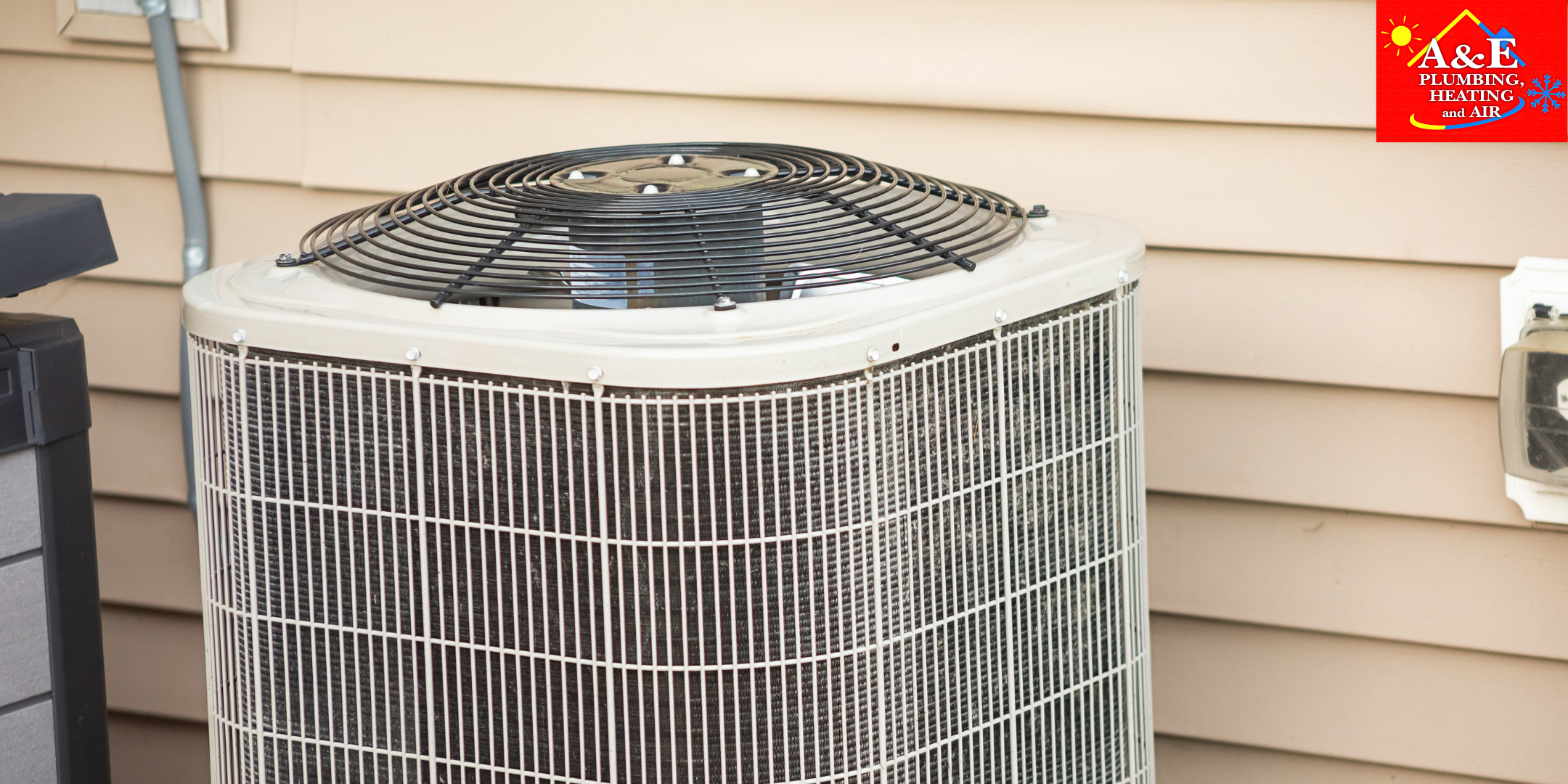
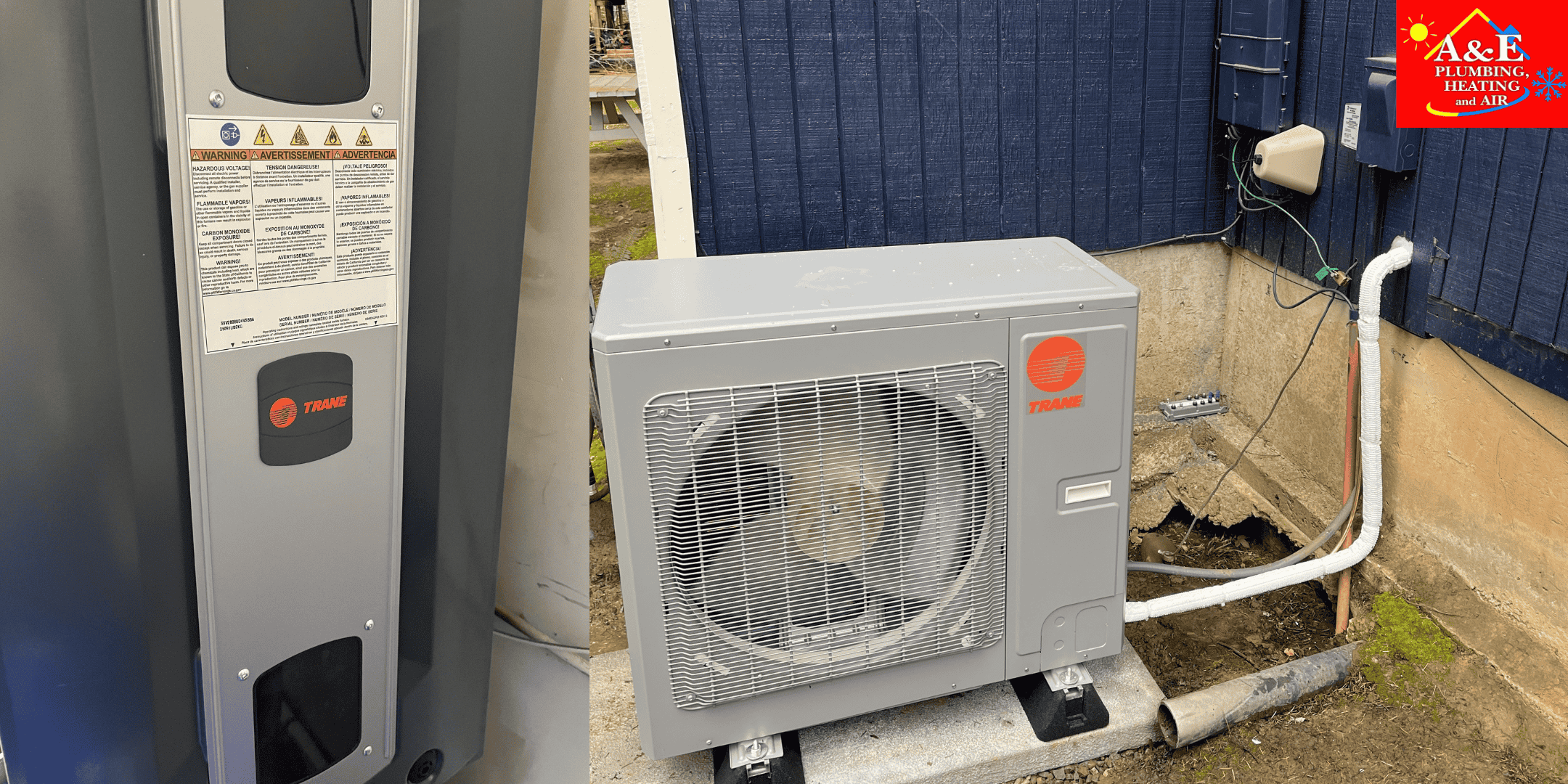
The Trane XR16 is a high-efficiency, single-stage central air conditioner manufactured by Trane. It is designed for homeowners who want dependable cooling, reasonable energy savings, and a well-known brand—without paying premium prices for advanced features they may never use.
In simple terms, this system is built to do one job very well: cool your home consistently and reliably during warm weather. It does not adjust its speed up and down throughout the day like high-end systems. Instead, it turns on at full power, cools your home, and shuts off when the thermostat is satisfied.
Key Features at a Glance
-
Up to 16 SEER2 efficiency, meeting modern energy standards
-
Single-stage compressor for straightforward operation
-
Spine Fin™ outdoor coil, designed for durability and corrosion resistance
-
Smart thermostat compatibility for basic automation
-
Built for typical residential cooling needs in moderate to warm climates
For homeowners comparing multiple air conditioners, this places the XR16 firmly in the “upper mid-range” category: better than entry-level models, but not positioned as a luxury system.
Why So Many Homeowners Consider the XR16
When people begin researching air conditioners, most start with the same concerns: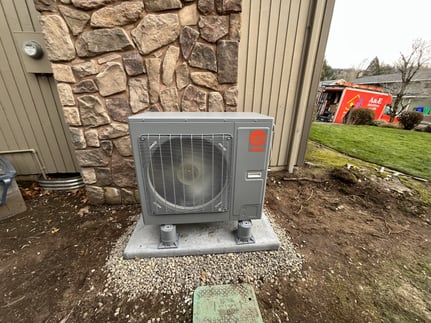
-
“Will this lower my energy bills?”
-
“Is this going to last?”
-
“Am I overpaying for features I don’t need?”
-
“What happens if something breaks?”
The XR16 often appears in search results, contractor recommendations, and comparison charts because it addresses those questions in a balanced way.
It offers noticeable efficiency improvements over older systems and basic models, while staying far more affordable than variable-speed or premium units. For many households, that middle ground feels safer. It reduces the risk of buying something too cheap and unreliable, while also avoiding the stress of a very large upfront investment.
Another reason homeowners gravitate toward this model is brand familiarity. Trane has strong name recognition in the HVAC industry, and that familiarity can bring peace of mind—especially for people who do not want to become experts in heating and cooling systems.
In markets throughout Oregon, Washington, and the broader Pacific Northwest, where summers can range from mild to increasingly hot, the XR16 fits the needs of many typical homes without overcomplicating things.
5 Pros of the Trane XR16
1. Strong Energy Efficiency Without “Luxury Pricing”
Energy efficiency directly affects how much you pay to keep your home comfortable. The XR16’s rating of up to 16 SEER2 means it uses significantly less electricity than older systems and entry-level models.
For homeowners, this usually translates into:
-
More predictable summer utility bills
-
Less stress during heat waves
-
Better long-term value
-
Reduced strain on the electrical system
While it may not deliver the absolute lowest energy usage available on the market, it provides a meaningful improvement without requiring a premium investment. This makes it attractive to people who want savings but still need to stay within a practical budget.
2. Built for Long-Term Durability
Durability matters more than many people realize. An air conditioner is exposed to rain, wind, dust, pollen, leaves, and temperature extremes year after year.
The XR16 is designed with materials and construction intended to handle long-term outdoor exposure. Trane’s Spine Fin™ coil design helps protect against corrosion and physical wear, which is especially important in areas with moisture, seasonal storms, or heavy vegetation.
For homeowners, durability means:
-
Fewer unexpected repairs
-
Less frequent service calls
-
Longer system lifespan
-
Greater confidence in extreme weather
A durable system is not just about avoiding breakdowns—it is about reducing long-term stress and inconvenience.

3. Reliable, Straightforward Performance
Because the XR16 uses single-stage operation, it works in a very predictable way. When cooling is needed, it turns on at full capacity. When the desired temperature is reached, it turns off.
This has several advantages:
-
Simple operation
-
Fewer mechanical components
-
Lower risk of complex failures
-
Easier maintenance
For homeowners who do not want to manage advanced settings or worry about sophisticated electronics, this can be comforting. The system does not “think” about how to cool—it simply cools.
That reliability is one of the main reasons this model continues to be popular year after year.
4. Compatibility With Modern Home Systems
Although the XR16 is simple, it is not outdated. It works with many modern home comfort technologies, including:
-
Programmable thermostats
-
Smart thermostats
-
Energy monitoring systems
-
High-efficiency furnaces
-
Some zoning configurations
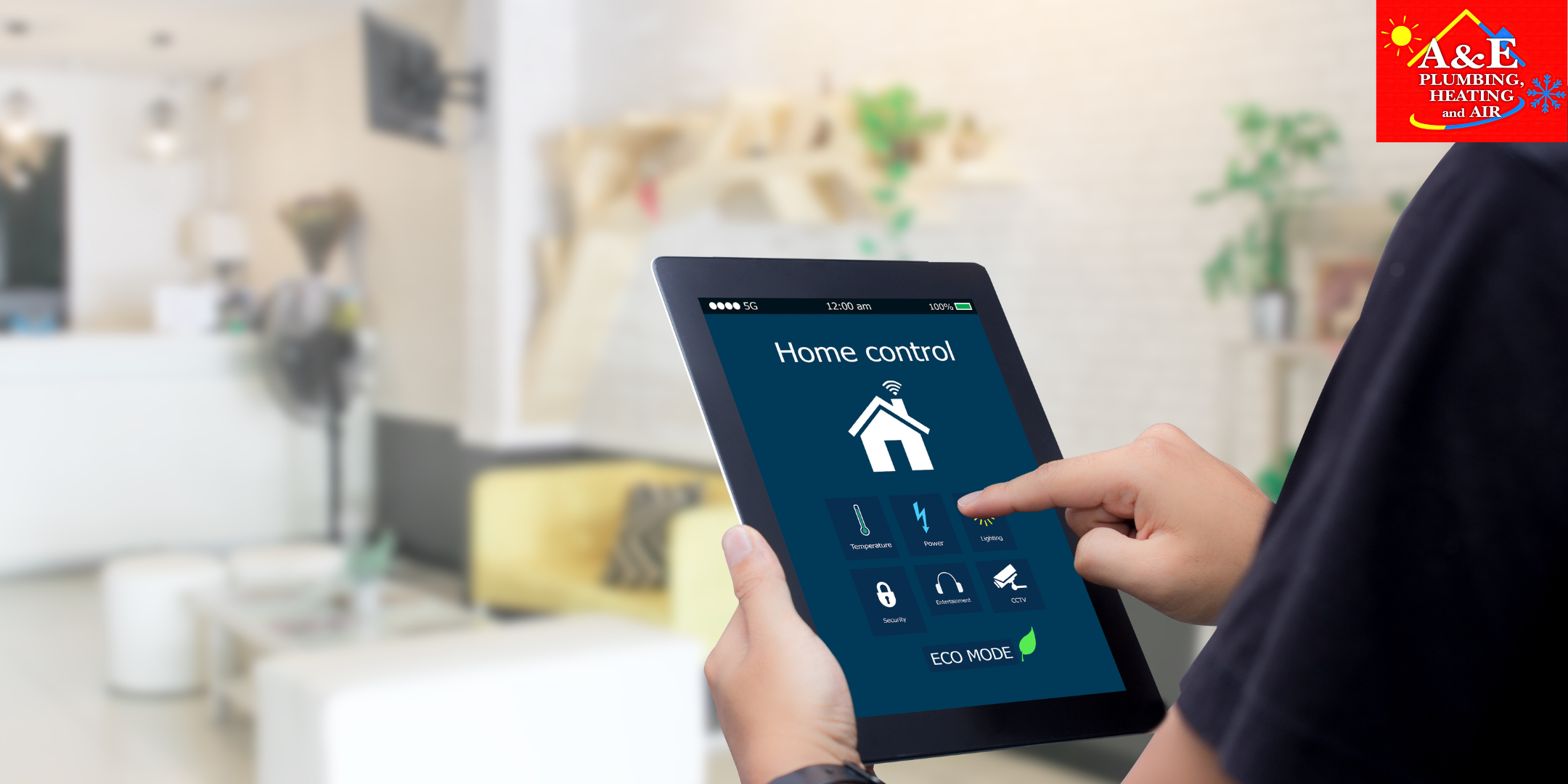
This allows homeowners to improve comfort and efficiency over time without replacing the entire system. For example, upgrading to a smart thermostat later can still provide scheduling and remote access benefits.
This flexibility helps future-proof your investment.
5. Resale Value and Brand Recognition
Heating and cooling systems affect home resale value more than many people expect. Buyers often look at HVAC age and brand when evaluating a property.
A recognized brand like Trane signals:
-
Professional installation
-
-
Long-term reliability
-
Responsible homeownership
Even if you are not planning to sell soon, choosing a reputable system can protect your home’s value over time.
5 Honest Cons to Know Before Buying
1. Moderate Noise Levels
The XR16 is engineered to meet residential noise standards, but it is not designed to be ultra-quiet.
Homeowners may notice:
-
Startup sounds
-
Outdoor unit operation
-
Increased noise compared to premium systems
If the outdoor unit is near bedrooms, patios, or quiet spaces, this factor deserves careful consideration.
2. Efficiency Has a Ceiling
Sixteen SEER2 represents solid efficiency, but higher-end systems can deliver more.
Compared to premium units, the XR16 offers:
-
-
Lower maximum long-term savings
-
Moderate environmental impact
For homeowners planning to stay in their home for decades, higher efficiency systems may eventually produce greater savings.
3. Limited Comfort Enhancements
The XR16 does not include features such as:
-
Variable-speed operation
-
Advanced humidity management
-
Adaptive learning controls
-
Zoned temperature balancing
For homeowners seeking a “set-it-and-forget-it luxury experience,” this system may feel basic.
How Much Does the Trane XR16 Cost?
In most residential settings, homeowners can expect to pay $7,500 to $12,500+ installed.
Several factors influence cost:
System Size (Tonnage)
Larger homes require larger systems, which cost more.
Ductwork Condition
Leaky, damaged, or outdated ducts often need repair or replacement.
Electrical Upgrades
Older homes may need panel or wiring improvements.
Thermostat and Controls
Smart or advanced thermostats add to total cost.
Permits and Code Requirements
Local regulations affect installation expenses.
Because every home is different, two similar houses can receive very different quotes. This is why professional evaluations matter.
The Trane XR16 Is a Great Fit If You:
-
Want dependable cooling without complexity
-
Prefer predictable monthly costs
-
Value brand reputation
-
Plan to stay in your home medium-term
-
Want a balance between price and performance
-
This system works well for homeowners who want stability, simplicity, and reasonable efficiency.
The Trane XR16 is Maybe Not Ideal If You:
-
Are highly sensitive to temperature or humidity
-
Want extremely quiet operation
-
Prioritize maximum energy savings
-
Enjoy advanced smart-home integration
-
Plan to invest heavily in long-term efficiency
-
In these situations, a variable-speed or premium system may provide better satisfaction.
Making a Confident, Comfortable Choice
When you first started reading, you were probably feeling uncertain—wondering if the Trane XR16 was truly worth your time, your money, and the disruption of replacing your system. Maybe you were juggling comfort concerns, rising energy bills, and that nagging worry about making the wrong choice.
Now, you have a clearer picture of what this system offers, where it shines, and where it falls short.
With over 17 years of hands-on experience serving homeowners throughout Oregon and Washington—from the Columbia River Gorge to the Portland and Gresham areas—we’ve seen how systems like this perform in real homes, real weather, and real life. That perspective matters when you’re choosing something that affects your family’s comfort every single day.
The next step is simple: take what you’ve learned here, compare it to your home’s needs, your budget, and your comfort goals, and use that knowledge to ask better questions and make a choice you’ll feel good about for years to come.