Comparing generator brands can feel a lot like trying to read a nutrition label on a product you’ve never eaten. There are numbers. There are units. There are abbreviations you vaguely remember hearing in high school science class. And at some point, every homeowner hits the same wall: Do I actually understand any of this?
Most generator comparisons are written in highly technical language. Wattage, THD, load management, sound ratings—each brand has its own chart, its own promises, and its own way of telling you why their machine is the best.
After more than 17 years of helping homeowners throughout Oregon and Washington—including the Columbia River Gorge and the Portland/Gresham Metro—compare generator models, we’ve learned the secret: people don’t need more charts; they need clarity, context, and plain English.
By the end of this article, you’ll know what the most important generator specs actually mean (wattage, THD, sound ratings, and load handling), how to compare them across brands, and how to decide what matters for your home without feeling overwhelmed.
Why Comparing Generators Feels So Complicated
Generator companies love technical specs the way car companies love optional add-ons. They use them to stand out. To impress. To "stand out" from the competition. But homeowners across the Gorge and Portland suburbs want something much simpler:
“Which generator works best for my home without disrupting my routine, peace, or budget?”
Before you find the right brand, you need to translate the big four specs that actually influence performance:
- Wattage (kW)
- THD (Total Harmonic Distortion)
- Sound rating (decibels)
- Load handling / load management
Everything else is icing.
Now let’s decode these in a way that feels more relatable and a little less like an electrical engineering lecture.
1. Wattage: What You Can Actually Run at the Same Time
Wattage is simply the amount of power the generator can produce.
Here’s the real-world explanation: Wattage = how much of your normal life your generator can support during an outage.
Think of wattage like your car’s trunk space:
- Small trunk = essentials only
- Medium = essentials + comfort
- Large = run-the-house-like-normal
But instead of groceries and Costco hauls, we’re talking:
- HVAC systems
- Refrigerators
- Freezers
- Well pumps
- Lights
- Outlets
- Kitchen appliances
- Laundry
3 things to consider with wattage:
- What MUST stay on (heat pump, well pump, fridge, medical devices)
- What SHOULD stay on (Wi-Fi, kitchen outlets, lighting)
- What would be NICE to have (dishwasher, laundry, garage door opener, coffee bar)
Some homeowners aim for minimal power.
Some want near-normal life.
Neither is wrong—it just depends on how your home runs.
2. THD: The Quality of the Power (Not All Electricity Is Equal)
THD, or Total Harmonic Distortion, is usually where homeowners’ eyes glaze over, because it sounds like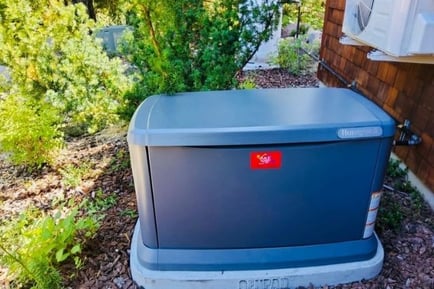 something you’d learn in a college physics lab.
But in everyday language, THD tells you how “clean” and stable the electricity is.
Why does this matter?
Electronics you probably own that hate dirty power:
- Smart TVs
- Laptops
- Routers
- Smart thermostats
- Security cameras
- CPAP machines
- Modern appliances with digital controls
Lower THD (usually below 5%) = gentle, steady power that protects sensitive devices.
Higher THD = your electronics will politely request a therapist.
3 reasons homeowners choose low-THD generators:
- They work safely with modern electronics
- They reduce long-term device wear
- They prevent annoying restarts and glitches
Different brands have different THD levels—this is a major comparison point.
3. Sound Ratings: Because Nobody Wants a Generator That “Announces Itself”
Every generator has a sound rating, listed in decibels (dB).
Here’s what the numbers actually feel like:
- 50–60 dB = dishwasher in another room
- 60–70 dB = normal conversation
- 70+ dB = someone mowing the lawn across the street
What impacts real-life noise:
- distance from the house
- landscaping or fencing
- how often it runs test cycles
- whether it’s placed near sleeping areas
Most homeowners compare brands by:
- Decibel rating at 23 feet (industry standard)
- Sound quality (some hum, some whirr, some rumble)
- Self-test noise levels (weekly or biweekly automatic checks)
If you’re a light sleeper—or you value peaceful mornings—sound rating becomes one of the top deciding factors.
4. Load Handling: How Generators Deal with “Rush Hour” Moments
Load handling describes how well a generator responds when multiple appliances turn on at once.
It’s not the total power—it's the generator’s ability to adapt.
Picture it like this:
- You’re cooking dinner.
- The heat pump cycles on.
- Someone starts a shower.
- The well pump kicks in.
That’s your home’s version of rush hour.
Some generator brands breeze through this.
Others stumble or lag before catching up.
Key load-handling features to compare:
- Automatic load management: prioritizes key appliances
- Surge capacity: short bursts of power for big startup loads
- Smart load balancing: prevents overloads without homeowner intervention
Better load handling = smoother, quieter, more consistent power.
Comparing Brands Without Getting Lost in Marketing Hype
Every brand wants to tell you they’re “quietest,” “most powerful,” or “cleanest.”
To cut through the noise, homeowners in the Gorge often use this simple 4-step comparison method:
1. Compare wattage first
Does the capacity match your home’s real demands?
2. Compare THD second
Is the power clean enough for modern electronics?
3. Compare noise ratings third
Will it fit your comfort level and sleep patterns?
4. Compare load handling last
Does it support moments when everything runs at once?
This prevents you from being distracted by shiny but irrelevant features.
Ideal Generator Ranges for Different Home Uses
| Home Use Case | Ideal Wattage Range | Ideal THD Range | Ideal Sound Rating | Ideal Load Handling Features | Why This Range Works |
|
1. Essentials Only (fridge, lights, outlets, small appliances) |
7–11 kW | < 12% THD | 65–75 dB | Basic surge capability | Covers core needs during short outages without powering large systems |
| 2. Essentials + Heat Pump or Furnace | 11–14 kW | < 10% THD | 60–70 dB | Surge support + light load management | Ideal for homes that want heating comfort without powering the entire house |
|
3. Well Pump Home (common in rural areas of the Gorge) |
14–18 kW | < 8% THD | 60–70 dB | Strong surge response | Well pumps have high startup loads; this range handles them smoothly |
|
4. “Live Normally” Setup (kitchen, laundry, HVAC, lighting, outlets) |
18–24 kW | < 5% THD | 58–68 dB | Good automatic load management + strong surge | Supports running your home close to normal during outages |
| 5. Large Home or Heavy Simultaneous Use | 24–30+ kW | < 5% THD | 58–65 dB | Advanced load management + smart balancing | Handles larger square footage and many appliances starting at once |
|
6. Home With Sensitive Electronics (home offices, smart homes, medical devices) |
Any system sized correctly, but THD is key | < 5% THD | 60–70 dB | Stable load handling | Ensures clean, safe power for computers, servers, smart TVs, routers, CPAP, etc. |
| 7. Small Lots or HOA Areas Focused on Noise | 11–18 kW | < 8% THD | Below 65 dB | Gentle startup behavior | Prioritizes quiet operation while still meeting most household needs |
| 8. Homes Planning Remodels, HVAC Upgrades, or EV Chargers | 18–26 kW | < 5% THD | 60–70 dB | Advanced load management + surge overhead | Offers room to grow without needing a new generator later |
Comparing Whole-Home Generators Without the Confusion
When you first started reading, you might have felt overwhelmed by the endless generator specs—wattage, THD, sound ratings, load handling—and unsure how to compare one brand to another without getting buried in technical language.
With more than 17 years of experience working in homes across Oregon and Washington, professionals in this field can walk you through the details and help you understand which systems genuinely match your routines, comfort levels, and long-term plans.
If you want a deeper look at sizing, placement, and long-term planning, you can explore our full guide on choosing the right generator for your home.
Topics: