
When you're responsible for someone who depends on medical equipment at home—whether it's your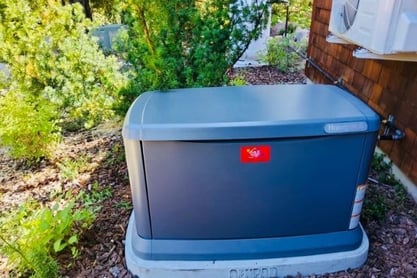 aging parent's oxygen concentrator, your partner's CPAP machine, or refrigerated medications—the stakes feel different than just losing your WiFi during a storm. This isn't about missing a Zoom call or having to throw out a fridge full of groceries (though that's certainly annoying). If losing power can affect someone's health and safety, that's a huge weight to have to carry.
If you've been researching backup power options and feeling overwhelmed by watts, circuits, and transfer switches, you're not the only one. With more than 17 years of experience throughout Oregon and Washington, we've helped countless homeowners navigate these same questions.
By the end of this article, you'll understand exactly how to calculate your home's power needs for medical equipment, what goes into a professional installation, the maintenance required to keep everything running when it matters most, and how to prioritize which systems need backup power first. You'll also know what questions to ask contractors and what to expect from start to finish. Let's break this down into manageable pieces so you can move forward with confidence.
Understanding Your Total Power Requirements
Here's something that might surprise you: that little label on the back of your mom's oxygen concentator that says "300 watts"? That's not the whole story. Medical equipment often requires significantly more power to start up than it does to run continuously—sometimes 2-3 times more.
This is called "surge wattage," and if your Generac system isn't sized to handle these surges, you'll experience equipment shutdowns at the worst possible moment.
What You Need to Document
For each piece of medical equipment, note:
- Running wattage (continuous operation)
- Starting wattage (initial surge when powering on)
- Voltage requirements (120V or 240V)
- Amperage draw
You'll find this information on the equipment's data plate, usually on the back or bottom.
Beyond Medical Equipment: Your Essential Circuits
You can't just power the medical equipment in isolation. You need lighting so you can safely navigate at night, heating or cooling depending on the season, refrigeration for medications, and your phone charger for emergency contacts.
Essential circuits typically include:
- Medical equipment circuits (top priority)
- At least one lighting circuit per floor
- Refrigerator circuit
- One bathroom circuit (water pump if on a well)
- Heating system or select room heating
- Communication devices (phones, internet router)
For most homes with medical equipment, you're looking at a Generac generator in the 16-22kW range to cover these essentials safely.
Maintenance That Actually Keeps You Safe
The most perfectly installed Generac system is worthless if it doesn't start when the power goes out. But what makes Generac generators special is they practically maintain themselves between service appointments.
The Monthly Exercise Cycle
Generac's automatic exercise feature is genius: once a week or month (your choice), your generator starts itself, runs for 15-20 minutes, and shuts down.
What this accomplishes:
- Circulates oil through the engine
- Charges the battery
- Runs fuel through the system
- Verifies the automatic transfer switch functions
- Gives you regular proof the system is ready
You don't do anything—you'll just hear it running briefly. Think of it as your generator saying "Hey, I'm still here and ready!"
Annual Professional Service
Once a year, you need a qualified Generac technician for comprehensive service.
Annual service includes:
- Oil and filter change
- Air filter replacement
- Spark plug inspection/replacement
- Battery load test and connection cleaning
- Fuel system inspection
- Coolant level check
- Transfer switch testing
- Full load test under actual conditions
Cost reality check: Annual service typically runs $250-400. Compare that to the cost of generator failure when someone's medical equipment is at stake.
Prioritizing Critical Circuits
Unless you're installing a large Generac (and spending accordingly), you probably can't back up your entire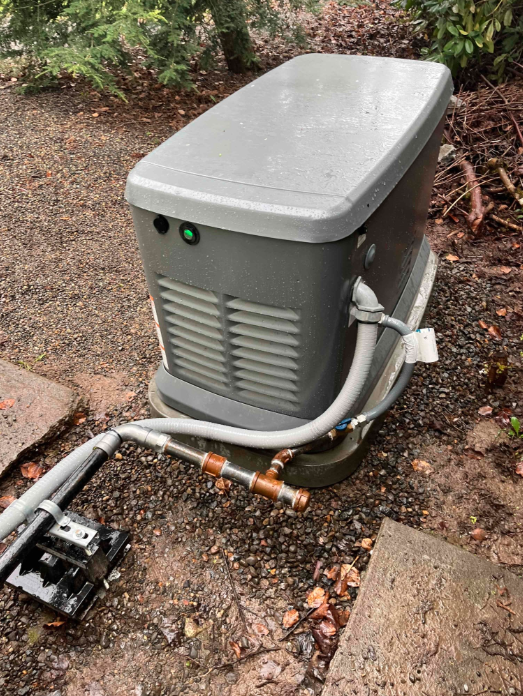 house. You need to make decisions about what gets power during an outage.
The Essential Tier
- All medical equipment circuits
- Primary bedroom lighting (for safety and equipment access)
- One bathroom (basic needs and well pump if applicable)
- Refrigerator (medications and food safety)
- Heating/cooling to medical equipment areas (at minimum)
The Comfort Tier: If Capacity Allows
- Kitchen outlets (coffee maker, microwave)
- Living room lighting
- TV/internet router
- Additional heating/cooling capacity
Smart Load Management
A professional installation might include:
Load shedding – Generac systems can automatically turn off less critical loads if approaching capacity, ensuring medical equipment always has power
Phased coverage – Managing loads manually to stay within capacity
Manual transfer switches for select circuits – For occasional-use items like well pumps
The goal: guarantee power to life-critical equipment while maximizing comfort within your budget.
Testing for Peace of Mind
Installing your Generac and completing maintenance is only part of the equation. You need to know it will work when you really need it.
Monthly Self-Tests (Two-Minute Checks)
When your Generac runs its exercise cycle, take two minutes to:
- Listen for unusual sounds
- Check for visible leaks
- Verify smooth startup
- Note any warning lights
Quarterly Load Tests
Every three months, do a manual transfer test where you actually switch to generator power for 30-60 minutes. This verifies everything works under real conditions.
Storm Season Prep (September/October)
Before Pacific Northwest storm season:
- Verify fuel supply
- Check battery voltage
- Clear debris from around generator
- Review priority circuits with household members
- Update emergency service contacts
Real Talk: Generac Investment and Costs
Quality Generac systems aren't cheap, but when someone's health is on the line, "reliable" matters more than "cheap."
Installation Investment
For professionally installed Generac systems:
- 16-18kW (essential circuits): $10,000-$16,000+
- 20-22kW (most of the house): $16,000-$22,000+
- 24kW+ (whole-home): $22,000-$26,000+
These include generator, automatic transfer switch, installation, electrical work, fuel connection, and permits.
Annual Operating Costs
- Annual professional maintenance: $250-400
- Monthly fuel for exercise cycles: $10-20 (propane) or minimal (natural gas)
- Three-year deep service: $400-600
- Battery replacement every 3-4 years: $100-200
Total annual cost: Roughly $350-650
Financing Options
- Home equity loans or lines of credit
- Payment plans through contractors
- Medical equipment financing programs
- Potential tax deductions (consult tax professional)
Moving Forward With Confidence
For families throughout Oregon and Washington—including along the Columbia River Gorge and the Portland/Gresham metro area—creating a medical-grade power plan means working with professionals who understand both technical requirements and the human concerns behind them.
With over 17 years of experience in generator systems, HVAC, and plumbing, experienced teams can guide you from assessment through installation and ongoing service.
Your next step is scheduling a professional assessment to evaluate your specific medical needs, calculate actual power requirements, and design a backup system that provides genuine peace of mind. The best time to install backup power is before you urgently need it.

Amperage draw – this helps electricians size circuit breakers correctly
You'll find this information on the equipment's data plate, usually on the back or bottom. If the starting wattage isn't listed (and it often isn't), a professional can measure it, or you can use the general rule that motor-driven equipment needs 2-3 times its running wattage for startup.
Beyond Medical Equipment: Your Essential Household Circuits
Now here's where it gets real: you can't just power the medical equipment in isolation. You need lighting so you can safely navigate the house at night. You need heating or cooling depending on the season (temperature extremes can be dangerous for many medical conditions). You probably need refrigeration for medications and food. And let's be honest—you need your phone charger so you can stay in contact with medical providers and family.
Essential circuits typically include:
Medical equipment circuits (obviously the priority)
At least one lighting circuit per floor (safety and navigation)
Refrigerator circuit (medication and food storage)
One bathroom circuit (water pump if you're on a well)
Heating system or select room heating (depending on climate and season)
Communication devices (phones, internet router)
The total? For most homes with medical equipment, you're looking at 10,000 to 20,000 watts of total capacity, depending on how many systems you're backing up. But here's the thing: this isn't a DIY math problem you want to tackle on your own.
Why Professional Load Calculation Isn't Optional (It's Actually Life-Saving)
I know what you're thinking: "Can't I just add up the numbers myself and save some money?" And look, I appreciate the DIY spirit. I really do. But when it comes to medical-grade power planning, professional load calculation isn't just recommended—it's essential for safety and reliability.
Here's why: a licensed electrician doesn't just add up wattages. They account for simultaneous operation (everything that might run at the same time), voltage drop over distance (longer wire runs mean power loss), future needs (what if you add another device next year?), and safety margins (because operating any system at its absolute maximum capacity is asking for failure).
What Happens During a Professional Assessment
When a qualified technician comes to your home, they're not just poking around with a clipboard. Here's what a thorough assessment includes:
Equipment inventory and testing – They'll document every piece of medical equipment, test actual power draw (not just read labels), and note which devices are life-critical versus convenience.
Whole-home electrical evaluation – They'll examine your main electrical panel, measure current loads on circuits, identify potential issues, and determine if your panel has capacity for a transfer switch.
Site assessment for generator placement – They'll identify the best location considering noise, access for maintenance, fuel line routing, and local setback requirements.
Load calculation and generator sizing – Using actual measurements and proper engineering calculations, they'll determine the minimum generator size needed with appropriate safety margin.
Critical circuit prioritization – They'll help you decide which circuits MUST have backup power versus which would be nice to have if capacity allows.
Think of it like this: when your doctor orders tests, they're not being dramatic—they're gathering actual data to make informed decisions. Same thing here. A professional load calculation gives you real numbers based on your actual situation, not generic estimates from the internet.
Navigating Electrical Codes (Because "Close Enough" Doesn't Cut It)
Okay, let's talk about everyone's favorite topic: building codes! (I can hear you groaning from here.) But seriously, when it comes to backup power for medical equipment, codes exist for good reasons—specifically, to prevent fires, electrocution, and equipment damage.
National Electrical Code (NEC) Requirements for Medical Power
The NEC has specific provisions for backup power systems, especially when medical equipment is involved. While requirements vary by jurisdiction, these are the common standards:
Transfer switch requirements – Automatic transfer switches (ATS) must be listed for the application and properly sized. They must prevent the generator from ever backfeeding into utility lines (which is both dangerous and illegal).
Grounding and bonding – Proper grounding prevents electrical shock and equipment damage. This isn't an area where shortcuts are acceptable.
Circuit separation – Medical equipment circuits often require dedicated breakers and may need to be on separate phases for reliability.
Weatherproofing and protection – Generators must be protected from the elements while maintaining proper ventilation (carbon monoxide is no joke).
Oregon and Washington Specific Considerations
If you're in Oregon or Washington—particularly along the Columbia River Gorge or in the Portland/Gresham metro area—you're dealing with additional considerations. Both states have adopted the NEC with amendments, and many municipalities add their own requirements.
Permit requirements – Most jurisdictions require electrical permits for generator installation and transfer switch work. Yes, it's an extra step and cost, but permits ensure inspections happen, and inspections catch dangerous mistakes.
Seismic considerations – Earthquake preparedness requirements may affect how generators are anchored and how gas lines are installed.
Environmental regulations – Noise ordinances, emission standards, and fuel storage regulations vary by location. What's acceptable in rural areas might not fly in dense residential neighborhoods.
Fuel line codes – Natural gas and propane installations must meet state and local plumbing codes, and these can be surprisingly specific about materials, routing, and shutoff valve placement.
The bottom line? Working with licensed, insured professionals who pull proper permits isn't about bureaucracy—it's about ensuring your system is safe, legal, and will actually work when you need it most.
Maintenance Protocols That Actually Keep You Safe
Here's an uncomfortable truth: the most perfectly sized, professionally installed backup power system in the world is worthless if it doesn't start when the power goes out. And the number one reason backup generators fail? Lack of maintenance.
I know, I know—adding another thing to your maintenance schedule when you're already juggling medical appointments, prescription refills, and everything else feels like a lot. But here's the good news: maintaining a backup generator is actually pretty straightforward, and much of it happens automatically.
The Monthly Exercise Cycle (And Why It's Genius)
Modern standby generators have a built-in feature that might be the best thing about them: automatic exercise cycles. Once a month (or weekly, depending on how you program it), your generator will start itself, run for about 15-20 minutes, and shut down.
This isn't the generator being needy or wasting fuel—this is preventive medicine for your backup power system.
What the exercise cycle accomplishes:
Circulates oil through the engine (preventing corrosion and ensuring lubrication)
Charges the battery (maintaining starting power)
Runs fuel through the system (preventing gum and varnish buildup)
Verifies the automatic transfer switch is functioning
Gives you regular proof the system is ready
You don't have to do anything. You'll just hear it running for a few minutes once a month. Think of it as your generator saying "Hey, I'm still here and ready to work!"
Annual Professional Service (Non-Negotiable)
Once a year, you need a qualified technician to perform comprehensive service. This is like the difference between brushing your teeth and actually going to the dentist—you need both.
Annual service includes:
Oil and filter change – Critical for engine longevity
Air filter replacement – Ensures proper combustion and efficiency
Spark plug inspection/replacement – Maintains reliable starting
Battery load test and connection cleaning – The battery is often the weak link
Fuel system inspection – Checking for leaks, proper pressure, clean filters
Coolant level check – Prevents overheating during extended runs
Transfer switch testing – Confirming it switches properly under load
Full load test – Running the generator under actual load conditions to verify performance
For homes with medical equipment, many service providers (like those with 17+ years of experience serving Oregon and Washington) offer priority maintenance scheduling so you're not waiting weeks for an appointment during peak season.
The Three-Year Deep Service
Every three years, expect more intensive maintenance: valve adjustment, deeper engine inspection, possibly spark plug replacement if not done annually, and comprehensive testing of all safety systems.
Cost reality check: Annual service typically runs $200-400, depending on your generator size and location. Three-year service might be $400-600. That might seem like a lot, but compare it to the cost of generator failure during an outage when someone's medical equipment is at stake. Suddenly it seems pretty reasonable, right?
Prioritizing Critical Circuits (The Sophie's Choice of Electrical Planning)
Here's where it gets interesting—and sometimes emotionally challenging. Unless you're installing a massive generator (and spending accordingly), you probably can't back up your entire house. You need to make decisions about what gets power and what doesn't during an outage.
For homes with medical equipment, the hierarchy is actually pretty clear, but it still requires thoughtful planning.
The Essential Tier: Non-Negotiable Circuits
Medical equipment circuits are the obvious first priority. But here's something people often miss: you need to power not just the equipment itself, but also the environment it operates in.
For example:
That oxygen concentrator is useless if the room is so dark you can't safely navigate to it
A CPAP machine doesn't help if the bedroom is freezing (or dangerously hot)
Refrigerated medications need consistent temperature control
So your essential tier typically includes:
All medical equipment circuits
Primary bedroom lighting (for safety and equipment access)
One bathroom (for basic needs and well pump if applicable)
Refrigerator (medications and food safety)
Heating/cooling to medical equipment areas (at minimum)
The Comfort Tier: Quality of Life Circuits
If your generator has additional capacity after covering essentials, you can add comfort circuits:
Kitchen outlets (for coffee maker, microwave—small comforts matter during outages)
Living room lighting (so you're not confined to one room)
TV/internet router (staying informed and entertained during extended outages)
Additional heating/cooling capacity
The Reality of Load Management
Here's where professional planning really shines. A smart installation approach might involve:
Load shedding – Some systems can automatically turn off less critical loads if the generator is approaching capacity, ensuring medical equipment always has power.
Phased coverage – Rather than running everything simultaneously, you might heat water, then pause to run the dryer, managing loads manually to stay within capacity.
Smart circuit selection – Sometimes combining several outlets onto one circuit allows you to power multiple rooms without using multiple generator circuits.
Manual transfer switches for select circuits – For occasional-use items (like a well pump or sump pump), a manual switch lets you temporarily power it when needed without dedicating automatic capacity to it.
The goal is creating a system that guarantees power to life-critical equipment while maximizing comfort within your generator's capacity and your budget.
Testing Schedules That Give You Peace of Mind
Installing your backup power system and completing maintenance is only part of the equation. You also need to know it will work when you really need it. That means testing—but not the stressful, fingers-crossed kind. The planned, systematic kind that builds confidence.
Monthly Self-Tests (Two-Minute Checks)
Once a month when your generator runs its exercise cycle, take two minutes to:
Listen for unusual sounds (grinding, sputtering, rough running)
Check for visible leaks (oil, fuel, coolant)
Verify the unit starts and runs smoothly
Note any warning lights or error codes
If something seems off, call for service before the next big storm, not during it.
Quarterly Load Tests (The Real Deal)
Every three months, consider doing a manual load test where you actually transfer your home to generator power and run it for 30-60 minutes. This verifies that:
The transfer switch operates correctly under load
The generator handles your home's actual power draw
No circuits are overloaded
Everything you expect to work actually does
Some people coordinate these tests with their utility company (who can briefly disconnect service), while others simply flip the main breaker to simulate an outage. Either way, you're testing the complete system under real conditions.
Storm Season Prep (September/October in the Pacific Northwest)
Before storm season hits, do a comprehensive check:
Verify fuel supply (full propane tank or clear natural gas line)
Check battery voltage (weak batteries are the #1 cause of no-start conditions)
Clear debris from around the generator
Review your priority circuits with anyone else in the household
Update emergency contacts for your service provider
Think of it like checking your smoke detector batteries when you change the clocks—a simple habit that could make all the difference.
24/7 Emergency Service (And Why It Matters More Than You Think)
Here's a scenario nobody wants to imagine: It's 2 AM during an ice storm. The power's been out for six hours. The generator ran fine initially, but now it's sputtering. Your father's oxygen concentrator is running on battery backup, and you've got maybe 30 minutes before that's depleted.
This is why 24/7 emergency service availability isn't a luxury for homes with medical equipment—it's a necessity.
What True Emergency Service Means
Not all "emergency" service is created equal. When evaluating service providers, ask specific questions:
Response time commitments – "We'll get there as soon as we can" is different from "We guarantee a technician within 2 hours for medical emergency calls."
Parts availability – Do they stock common replacement parts locally, or will you wait days for shipping?
After-hours pricing – Some companies charge reasonable emergency fees; others multiply their rates by 3x or 4x for nights and weekends. Know this in advance.
Direct technician access – Can you reach an actual technician for phone troubleshooting, or just a dispatch service?
Service area limits – Make sure your location is within their guaranteed service area, especially if you're in rural Oregon or Washington.
When to Call for Emergency Service vs. When to Wait
Not every hiccup requires a middle-of-the-night emergency call (and your wallet will thank you for knowing the difference).
Call immediately if:
Generator won't start during an outage
Generator starts but produces no power
Generator shuts down unexpectedly during operation
You smell gas, oil, or burning odors
You see smoke or sparks
Medical equipment is at risk
Can probably wait until business hours:
Generator completed monthly exercise cycle but sounded rougher than usual
Minor oil leak (not actively dripping)
Warning light appeared but generator is running normally
You have questions about operation
Pro tip: Take photos and videos of any issues when they happen. This helps technicians diagnose problems faster when they arrive, and sometimes they can troubleshoot by phone using your documentation.
Real Talk: What This Actually Costs (Because Nobody Likes Financial Surprises)
Let's address the elephant in the room: quality backup power systems aren't cheap. But when someone's health is on the line, "cheap" isn't the goal anyway—"reliable" is.
That said, you deserve to know what you're looking at financially so you can plan accordingly.
Installation Investment Range
For a properly sized, professionally installed system including a quality standby generator and automatic transfer switch:
Smaller systems (10-12kW) covering essential circuits only: $8,000-$12,000
Mid-size systems (16-20kW) covering most of the house: $12,000-$18,000
Larger systems (22-24kW+) for whole-home coverage: $18,000-$25,000+
These ranges include the generator, automatic transfer switch, installation labor, electrical work, fuel line connection, permits, and initial startup.
Factors that increase cost:
Distance from electrical panel to generator location
Need for panel upgrades or service increases
Challenging fuel line routing
Extensive concrete pad or gravel base work
Premium features (remote monitoring, larger fuel capacity)
Factors that decrease cost:
Generator location near panel and fuel source
Simple installation with existing adequate electrical service
Straightforward permitting jurisdiction
Off-season installation scheduling
Annual Operating and Maintenance Costs
Beyond installation, budget for:
Annual professional maintenance: $200-400
Monthly fuel for exercise cycles: $10-20 (propane) or minimal (natural gas)
Three-year deep service: $400-600
Eventual battery replacement: $100-200 every 3-4 years
Total annual cost: Roughly $300-600 depending on your specific situation.
Financing and Medical Necessity Considerations
Some options to explore:
Home equity loans or lines of credit – Often the lowest interest rates for home improvements
Medical equipment financing – Some lenders specialize in medical necessity home modifications
Payment plans through contractors – Many established service providers offer financing options
Insurance considerations – Some health insurance policies or supplemental plans may cover portions of medically necessary home modifications (worth asking, even if unlikely)
Tax deductions – Consult a tax professional about potential medical expense deductions
The investment is significant, but for many families, the peace of mind and safety benefits make it one of the most worthwhile home improvements they've ever made.
Moving Forward With Confidence
When you started reading this article, you were probably feeling some combination of overwhelmed, anxious about making the wrong decision, and uncertain where to even begin with protecting your family's medical equipment during power outages. That's completely understandable—this isn't like choosing new kitchen appliances. The stakes are higher, the technical requirements are more complex, and the margin for error feels pretty slim.
Now you understand how to properly calculate power needs (including those sneaky surge watts), why professional load calculation isn't just recommended but essential for safety, what electrical codes protect you from dangerous installations, and how to maintain your system so it's always ready when you need it most. You've learned how to prioritize which circuits get backup power first, what testing schedules keep everything running smoothly, and why 24/7 emergency service availability matters for medical situations.
For families throughout Oregon and Washington, including along the Columbia River Gorge and in the Portland/Gresham metro area, creating a reliable medical-grade power plan means partnering with experienced professionals who understand both the technical requirements and the very human concerns behind them. With over 17 years of specialized experience in HVAC, plumbing, and generator systems, the right team can guide you from initial assessment through installation and ongoing maintenance, ensuring your backup power system is sized correctly, installed safely, and maintained properly.
Your next step is to schedule a professional power assessment with a licensed contractor who can evaluate your specific medical equipment needs, calculate your home's actual power requirements, and design a backup system that provides genuine peace of mind. Don't wait for the next storm forecast to start planning—the best time to install backup power is when you don't urgently need it yet.
Topics: