
Have you ever tried searching “What size generator do I need?” and suddenly found yourself drowning in wattage charts, engineering diagrams, and advice clearly written by someone who has never once tried to run a busy household during a storm? Choosing a whole-home generator shouldn’t feel like a physics exam or a high-stakes guessing game. It should feel like planning a home upgrade that supports your lifestyle today and the one you’re building for the next decade.
Most homeowners don’t know where to begin. Should you size for essentials or for comfort? Does placement matter? Are noise ratings a big deal? And what if you’re planning a remodel?
After more than 17 years of working in homes across Oregon and Washington—from the Columbia River Gorge to the Portland/Gresham Metro area—we’ve helped homeowners make generator decisions that match their routines, their space, and their long-term plans.
By the end of this article, you’ll know exactly what factors matter when choosing a generator for your home—capacity, noise, placement, future expansion, and how to plan with confidence.
Why “Right-Sizing” Your Generator Matters More Than You Think
Choosing a generator isn’t about bragging rights (“I picked the biggest one!”) or minimalist strategies (“We’ll survive with one lamp and a microwave!”). It’s about knowing what your home actually needs to feel functional.
Homeowners across the Gorge and the Portland Metro often ask for something “in the middle,” which sounds reasonable… until you're asked what that middle looks like.
The thing is, your “middle” may be totally different than your neighbor’s.
Common household priorities in Oregon & Washington include:
- Keeping a heat pump running during winter storms
- Keeping a well pump functional (this one’s non-negotiable if you live rural)
- Preventing the fridge/freezer purge that usually ends with throwing away half the groceries
- Keeping Wi-Fi stable (because even 30 seconds of router rebooting is 29 seconds too many)
- Running essential lighting so the home still feels like home
If you’re unsure which of these matter most to you, start by imagining what you reach for first during a power outage.

Step 1: Choose a Generator Based on the Way Your Home Actually Runs
Let’s skip the engineering talk. Focus on how your home breathes and moves.
3 questions homeowners need to ask themselves:
1. “What needs to work no matter what?”
Think HVAC, refrigeration, well pumps, sump pumps, and any medical equipment.
2. “What would make an outage tolerable instead of stressful?”
A working kitchen, warm water, reliable Wi-Fi, and the ability to run laundry or dishes when your schedule—not the grid—says so.
3. “What appliances run at the same time on a normal day?”
If you regularly cook while running laundry while someone else is showering, your generator needs to mirror that reality.
With these answers, it becomes easier to match capacity to lifestyle—something a generic sizing calculator online simply can’t personalize.
Step 2: Consider Where the Generator Will Live on Your Property
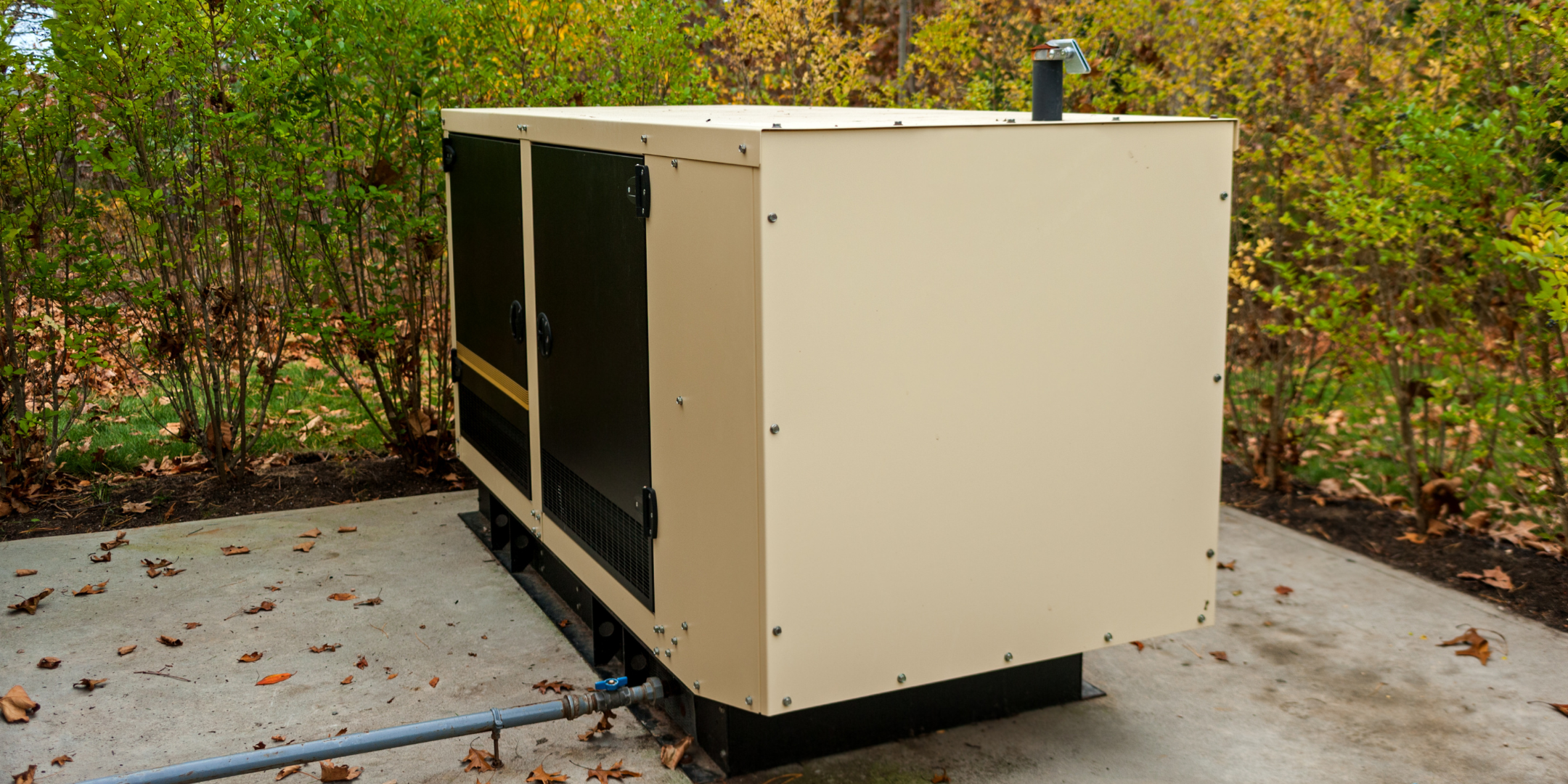
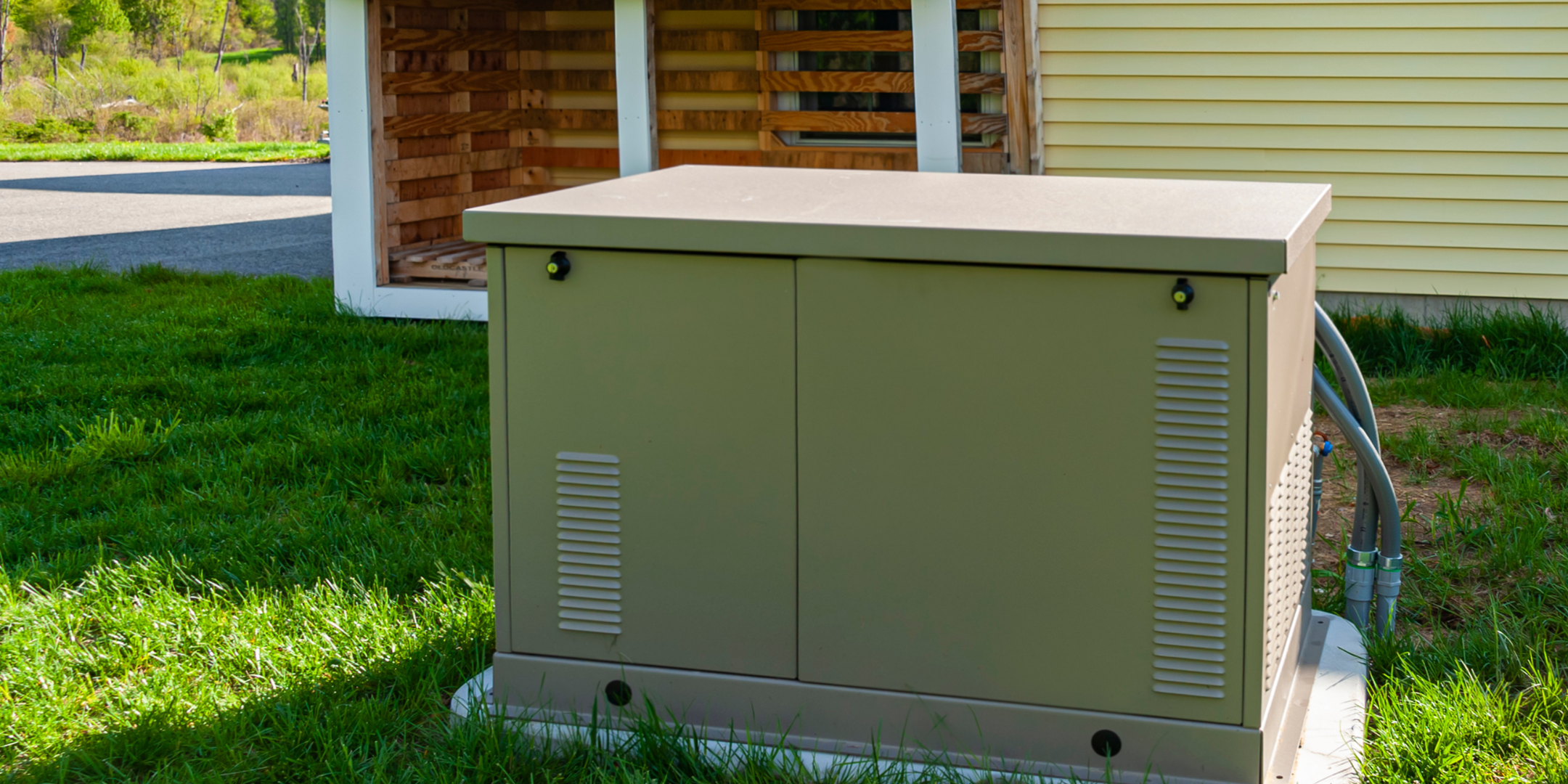
In the Gorge and Portland suburbs, property layout matters. Between wind exposure, setbacks,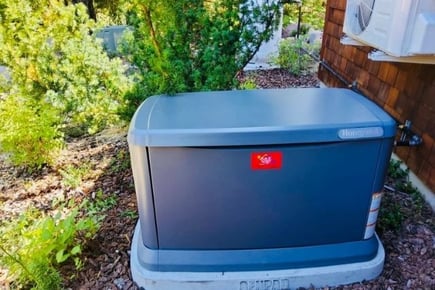 landscaping, and neighbor proximity, placement is rarely an afterthought.
Here’s what influences the “where”:
1. Yard space and airflow
Generators need breathing room. They don’t want to be tucked behind a fence like a forgotten bicycle.
2. Proximity to the electrical panel and gas source
Closer = cleaner, faster, more cost-efficient installation.
3. Sound distance from windows, patios, or bedrooms
Even quiet generators make noise. You want that sound floating into the open yard—not into the bedroom where someone is trying to sleep.
4. HOA, city, or county placement rules
Areas like Hood River, The Dalles, and Gresham all have slight variations in what’s allowed and where.
Think of generator placement like choosing a guest room. You want it to be comfortable, out of the way, and not smack against the primary bedroom wall—everyone wins.
Step 3: Noise Levels Matter (Especially for Light Sleepers)
Decibels matter, but placement matters more.
The quietest modern generators run between 60–70 dB, which is similar to a normal conversation or a dishwasher running in the next room.
But the real-world experience varies depending on:
- distance from the home
- landscaping and fencing
- how often the generator runs its standby self-test
- whether your bedroom window faces the generator
3 reasons homeowners often choose quieter models:
- Night comfort: Outages happen at unpredictable times. No one wants a sudden “WHUMMM” outside at 2 AM.
- Outdoor living spaces: If you host, grill, or garden, sound matters.
- Close neighbors: Especially in subdivisions or tighter lots, quiet operation keeps everyone friendly.
Noise matters more than most sizing guides admit. Your future self will thank you for choosing well.
Step 4: Plan for the Home You’re Growing Into, Not Just the One You Have
This is the part most homeowners overlook and the part that prevents regret.
If you live anywhere along the Columbia River Gorge, home improvements are practically a lifestyle. Between remodels, additions, upgraded appliances, outdoor kitchens, or new HVAC systems, your home’s power needs can shift dramatically over time.
Future-proof your generator if you’re planning:
- kitchen remodels
- adding a heat pump or mini-split
- finishing a basement or bonus room
- adding a workshop or ADU
- switching to electric appliances
- increasing your home’s square footage
A generator that fits your life today and five years from now is one of the best long-term investments you can make.
Step 5: Think About Maintenance, Monitoring & Ease of Use
Ease matters. Life is already full—your generator shouldn’t require a learning curve.
Homeowners typically prioritize:
- Automatic operation – No dragging a portable generator across the yard during a windstorm.
- Remote monitoring – Apps that show fuel levels, runtime, and system status.
- Low-maintenance models – Annual tune-ups, not weekly tinkering.
If it doesn’t integrate smoothly into your rhythms, it will become one more home task—and nobody needs another one of those.
Step 6: Make Room for Budget, Financing & Installation Costs
Generator pricing varies widely, and the internet rarely paints a clear picture. Homeowners across Oregon and Washington often tell us they found pricing online confusing or inconsistent.
Common factors that influence cost:
- generator capacity
- fuel type (natural gas, propane)
- trenching needs
- distance to the panel
- gas line upgrades
- permitting in your local jurisdiction
A transparent conversation with a professional will always give you a clearer picture than a general blog. And in many cases, financing opens the door for a generator that actually fits the home—not just the temporary budget.
What to Consider When Picking a Whole-Home Backup Generator
When you began exploring this topic, you may have been unsure where to start—wondering which features actually matter, whether generators are loud, how to plan for remodels, and what “right sizing” really means.
With more than 17 years of experience working in homes throughout Oregon and Washington, professionals in this field can help you understand the options without overcomplicating the process.
If you’re ready for the next step, consider reviewing a few generator models, comparing features, or exploring how each system pairs with your home’s layout and future plans so you can choose a generator that truly fits the way your household lives day to day. Our team is on standby if you want to go over your options with seasoned professionals.
Topics: