
You know that moment when your lights blink for half a second -- just long enough to restart every device you own, but not long enough to call it a “real” outage? If you’ve ever stood in your kitchen whispering please don’t restart… please don’t restart at your oven clock, or watched your Wi-Fi router take its leisurely 5-minute reboot during a Zoom meeting, you already understand the chaos of a power flicker.
Micro-outages are one of the most overlooked (and frankly… irritating) household disruptions in Oregon and Washington -- especially across the Columbia River Gorge with the wind, weather, and aging grids.
After serving homeowners in the Gorge and across the Portland/Gresham Metro for more than 17 years, we’ve seen firsthand how these tiny power hiccups create oversized headaches.
By the end of this article, you’ll understand why these “blink-and-it’s-gone” outages happen, what they cost you, and how homeowners are quietly designing homes that stay stable even when the grid isn’t.
Why Flickers Are More Disruptive Than Outages
Power flickers (also called micro-outages) are so brief that the lights barely blink. Yet they create far more disruption than most full outages in places like Hood River, The Dalles, Mosier, Cascade Locks, White Salmon, and the greater Gresham/Portland Metro.
A full outage at least gives you a clear signal that “power is down.” You adapt. You light a candle. You shift plans. But a flicker? A flicker is subtle enough that you often don’t even realize it happened until your devices begin restarting one by one.
Flickers are:
- Fraction-of-a-second interruptions
- Unregistered by utility companies as “real” outages
- Strong enough to interrupt anything with a digital brain
They interrupt momentum, slow down busy households, and create a surprising amount of micro-stress—especially when you're juggling home management, cooking, work-from-home duties, or kids’ routines.
Flickers are the equivalent of tapping the “reset” button across your entire home. And because they happen without warning, they tend to spark that familiar question: Why is everything suddenly off?

What Actually Resets During a Flicker
Homes across the Columbia River Gorge rely more on electronics and digital controls than most people realize. Even those who don’t consider themselves “tech-heavy” are often surprised at how many household systems have become automated or smart-enabled.
Here’s what commonly resets, and why it matters:
1. Your Wi-Fi Router
Routers are notoriously slow at recovering from even the slightest power interruption. When they reboot, the entire home loses internet access—something most homeowners in Oregon and Washington depend on for work, communication, security, and entertainment.
Unexpected Wi-Fi loss leads to:
- Disconnected meetings or calls
- Interrupted online schoolwork or streaming
- Broken logins and lost progress on forms or projects
- Repeated attempts to “just get the router to cooperate”
Even if internet access isn’t urgent at the moment, the downtime adds an unwanted pause in a day already filled with tasks.
2. Smart Thermostats
Modern thermostats store schedules, temperature preferences, and energy-saving routines. A flicker can reset these settings or temporarily force the system to recalibrate.
This often results in:
- Unexpected temperature drops or spikes
- HVAC systems starting and stopping irregularly
- Short-term comfort disruptions during busy parts of the day
Many homeowners assume something is wrong with the furnace or heat pump when, in reality, the thermostat simply lost its place for a moment.
3. Kitchen Appliances
Microwaves, ovens, ranges, coffee makers, and even some refrigerators operate on digital timers and touch panels. A small flicker can erase clocks, timers, preheat settings, or cooking cycles.
The impact can include:
- Interrupted meal prep
- Missed baking windows
- Reset timers that delay dinner
- Small but persistent frustrations throughout the week
In areas like Hood River and Gresham, where winter cooking and holiday hosting are part of seasonal routines, losing your oven’s schedule during a flicker feels especially disruptive.
4. Work Laptops & Desktops
For households with remote work, home offices, or kids completing assignments online, even a micro- outage can disrupt workflow. Devices may shut down or restart abruptly, leading to lost progress.
The consequences often include:
- Unsaved documents disappearing
- Programs closing mid-task
- Sessions timing out
- Lost writing, edits, or data
These interruptions often happen during high-focus moments, which makes them even more discouraging.
5. Smart Locks, Garage Doors & Security Cameras
Homes are increasingly equipped with digital security systems. A flicker can cause them to temporarily shut down, freeze, or disconnect.
This may result in:
- Delayed lock or unlock responses
- Garage doors pausing mid-cycle
- Brief camera downtime or footage gaps
These aren’t safety emergencies—just daily inconveniences that can catch you off guard when you’re heading out the door or arriving home.
Why the Columbia River Gorge Is a Flicker Hot Spot
Homes in The Dalles, Hood River, Mosier, White Salmon, Cascade Locks, and Troutdale experience more flickers than many other regions because the Gorge’s environment creates perfect conditions for brief power interruptions.
Here’s why flickers are common here:
1. The wind moves with intensity year-round
Wind funnels directly through the Gorge, affecting power lines, tree branches, and utility equipment. Even a strong gust hitting the right spot can cause a split-second interruption.
2. Freeze–thaw cycles stress equipment
Temperatures shift dramatically across seasons—and sometimes between morning and night. These swings place strain on transformers, lines, and connectors.
3. Tree limbs move unpredictably
Branches brushing or snapping into lines can create instant flickers long before an outage occurs. Rural and wooded areas near Hood River and Mosier experience this often.
4. Portions of the grid are aging
The Pacific Northwest grid is undergoing upgrades, but many systems remain older, especially in rural pockets along the Gorge. This increases the likelihood of micro-interruptions even when the overall infrastructure is stable.
These factors don’t indicate danger—they simply reflect the environment we live in. Living in the Gorge means navigating beauty, wind, terrain, and weather in equal measure.
The Real Cost of Power Flickers
Flickers rarely cause major emergencies, but they do create ongoing inconveniences that accumulate over time. For many homeowners in Oregon and Washington, the repeated resets become part of the weekly pattern—and not a pleasant one.
Here are the three major ways flickers affect households:
1. Lost Time
Resets take time. Whether you’re waiting for the router to come back online or your laptop to reload, a micro-outage quietly steals minutes from your routine. Homes with multiple smart devices experience this on a larger scale.
A single flicker can disrupt:
- Dinner preparation
- Work-from-home schedules
- Kids’ homework
- Climate control settings
- Smart home routines
Those minutes add up quickly, especially on busy days.
2. Reduced Device Lifespan
Frequent interruptions and abrupt shutdowns place wear on electronics. Devices are designed to be powered down deliberately—not jolted off and on repeatedly.
Over time, flickers may contribute to:
- Shortened device lifespan
- More frequent reboots
- Increased glitches or failures
- Earlier replacement of equipment
No homeowner wants to replace a perfectly good router or thermostat simply because it has been startled into early retirement by years of micro-outages.
3. The Mental Load No One Talks About
Flickers may be small, but they interrupt household rhythm. Each reset becomes another item on your list: fixing a blinking clock, reprogramming a thermostat, reopening files, restarting music, reconnecting a device.
This adds to the mental load of running a home—an area where many homeowners across the Gorge already balance work schedules, childcare, meal planning, and seasonal tasks.
When your home’s systems are stable, everything feels smoother. When they reset unexpectedly, even simple routines feel more complicated.
What Homeowners Across Oregon & Washington Are Doing About It
The goal isn’t to prepare for emergencies—it’s simply to create a home that stays steady when the grid flickers. Homeowners across Gresham, Hood River, The Dalles, and the surrounding Columbia River Gorge are choosing solutions that match everyday needs rather than extreme scenarios.
Here are the most common approaches:
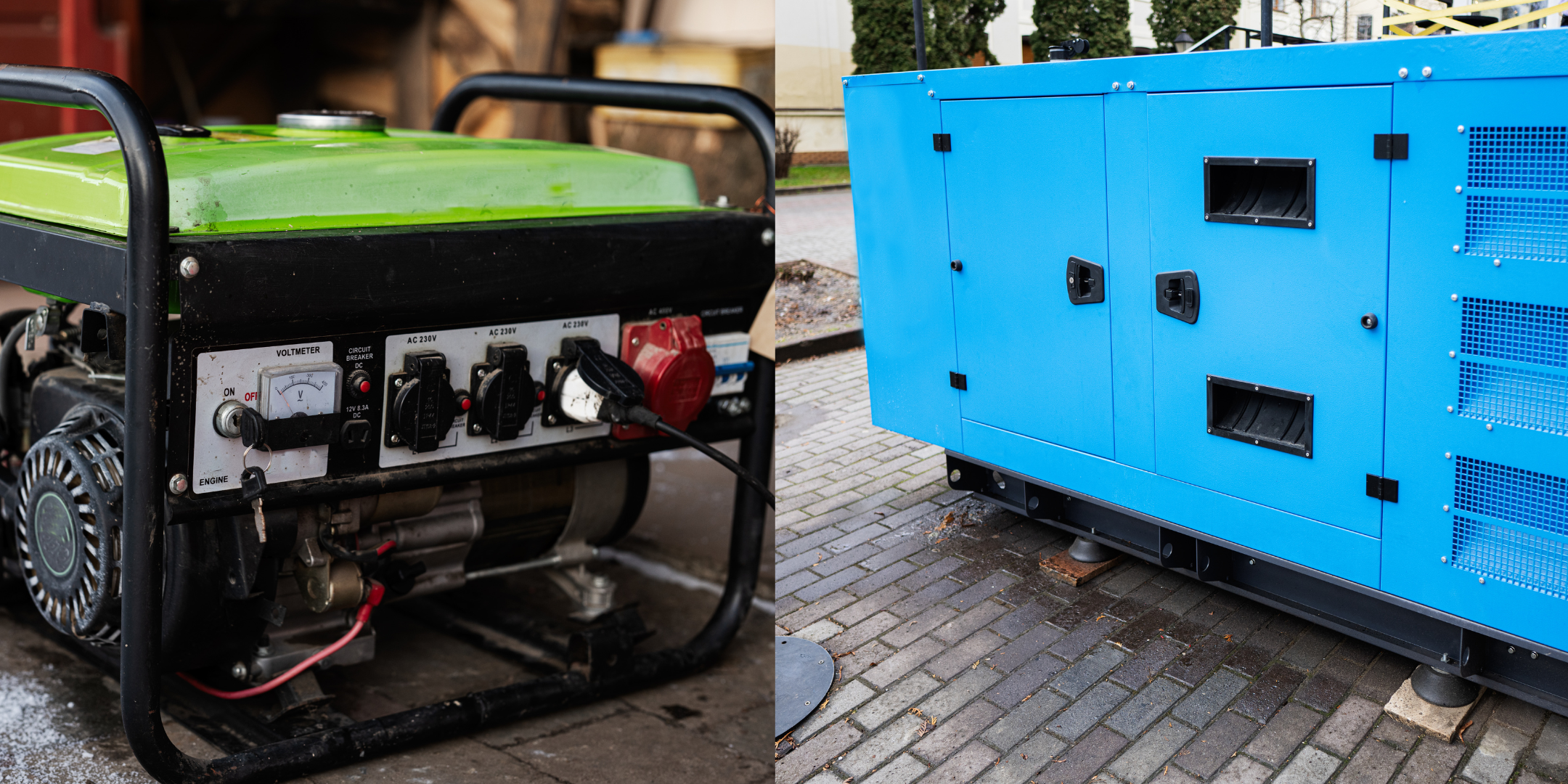
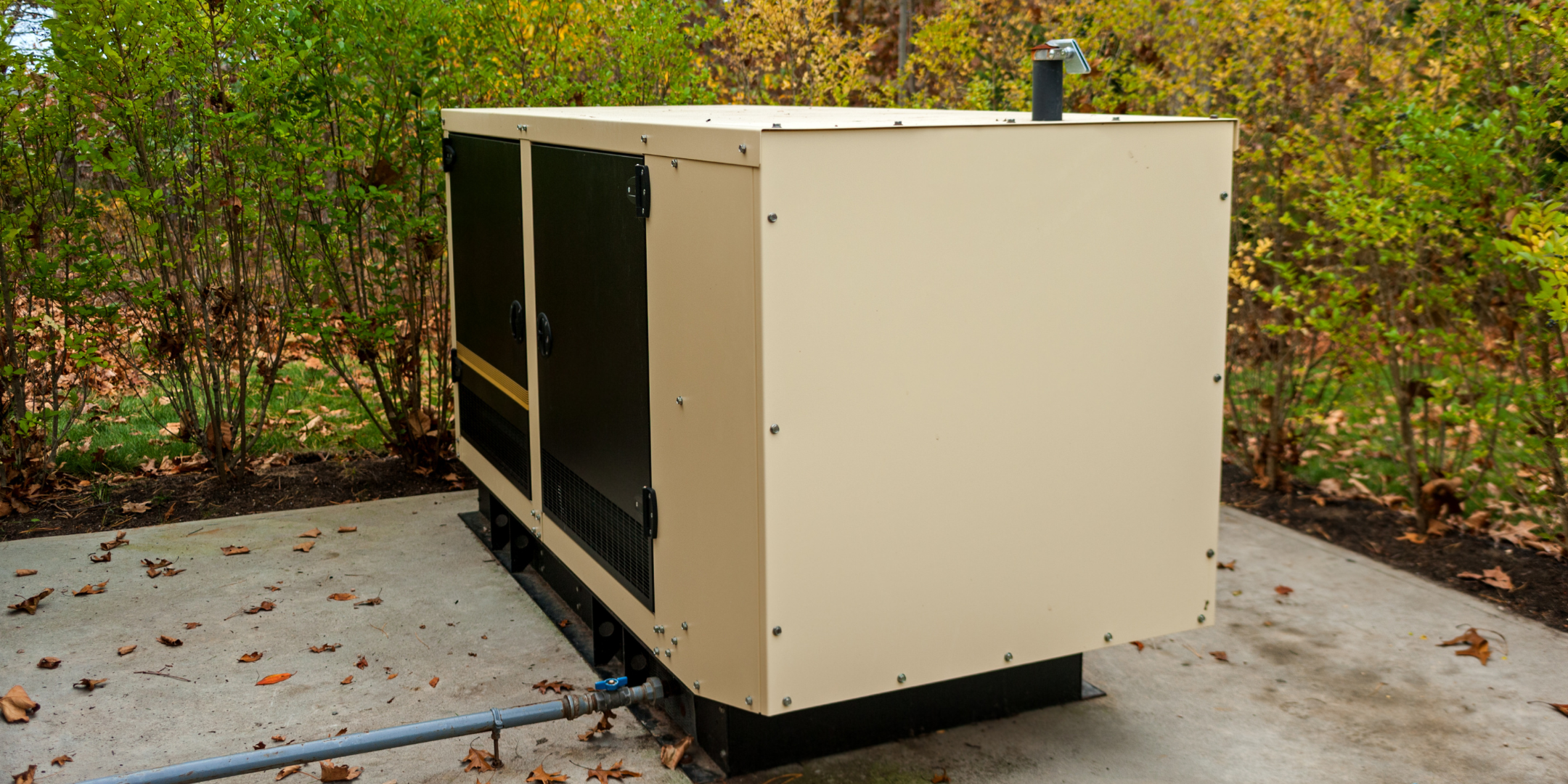
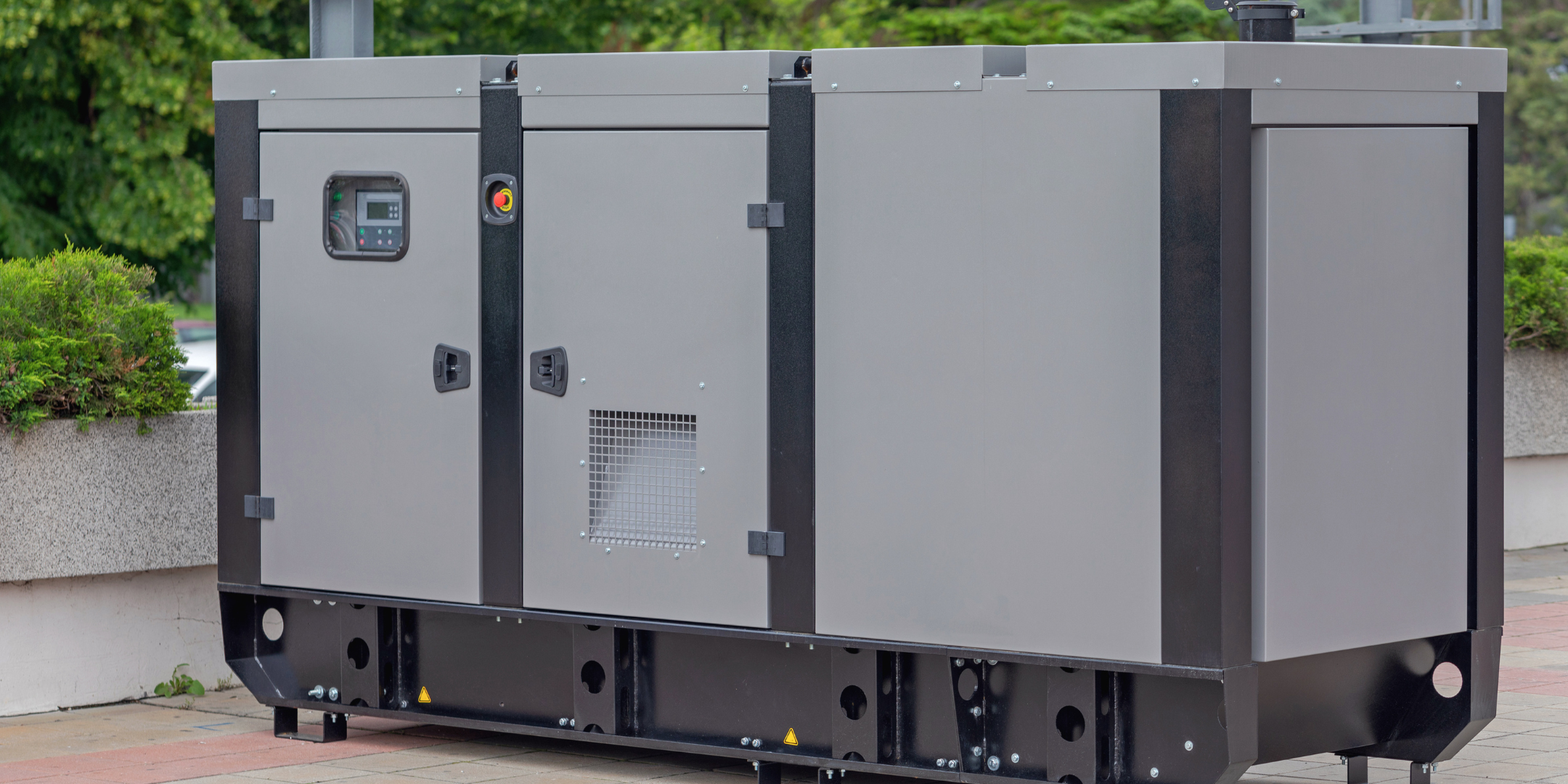
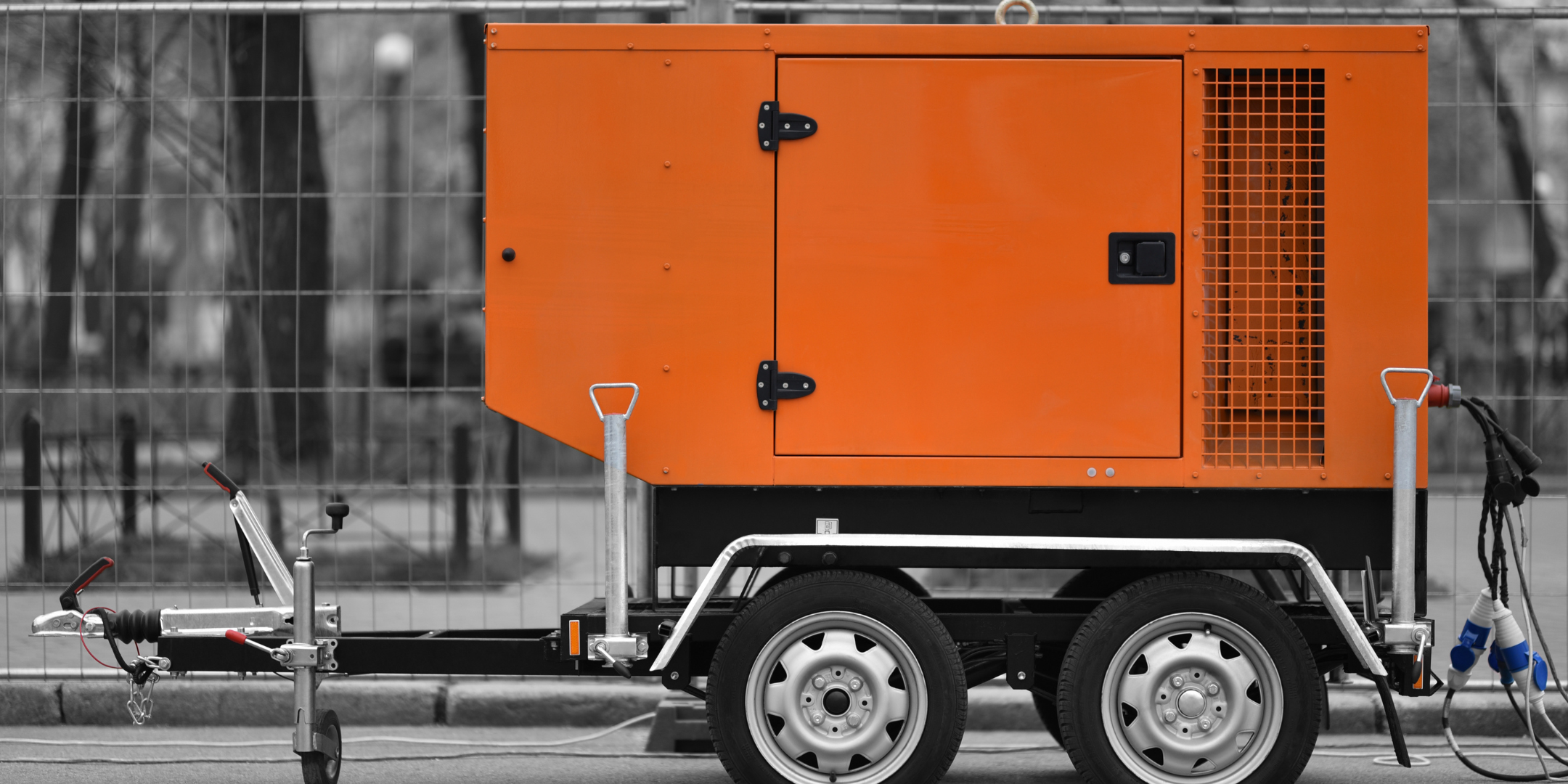
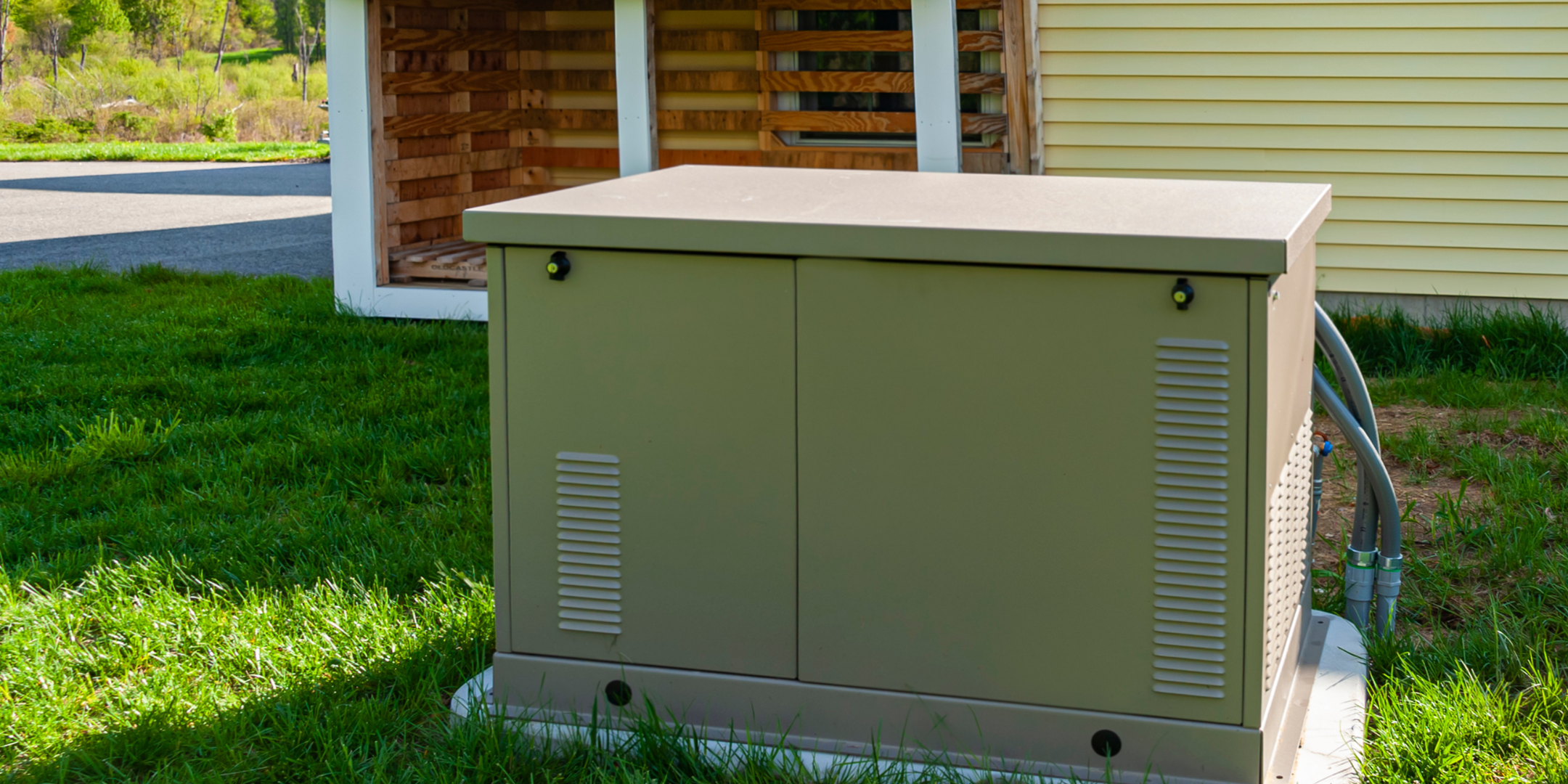
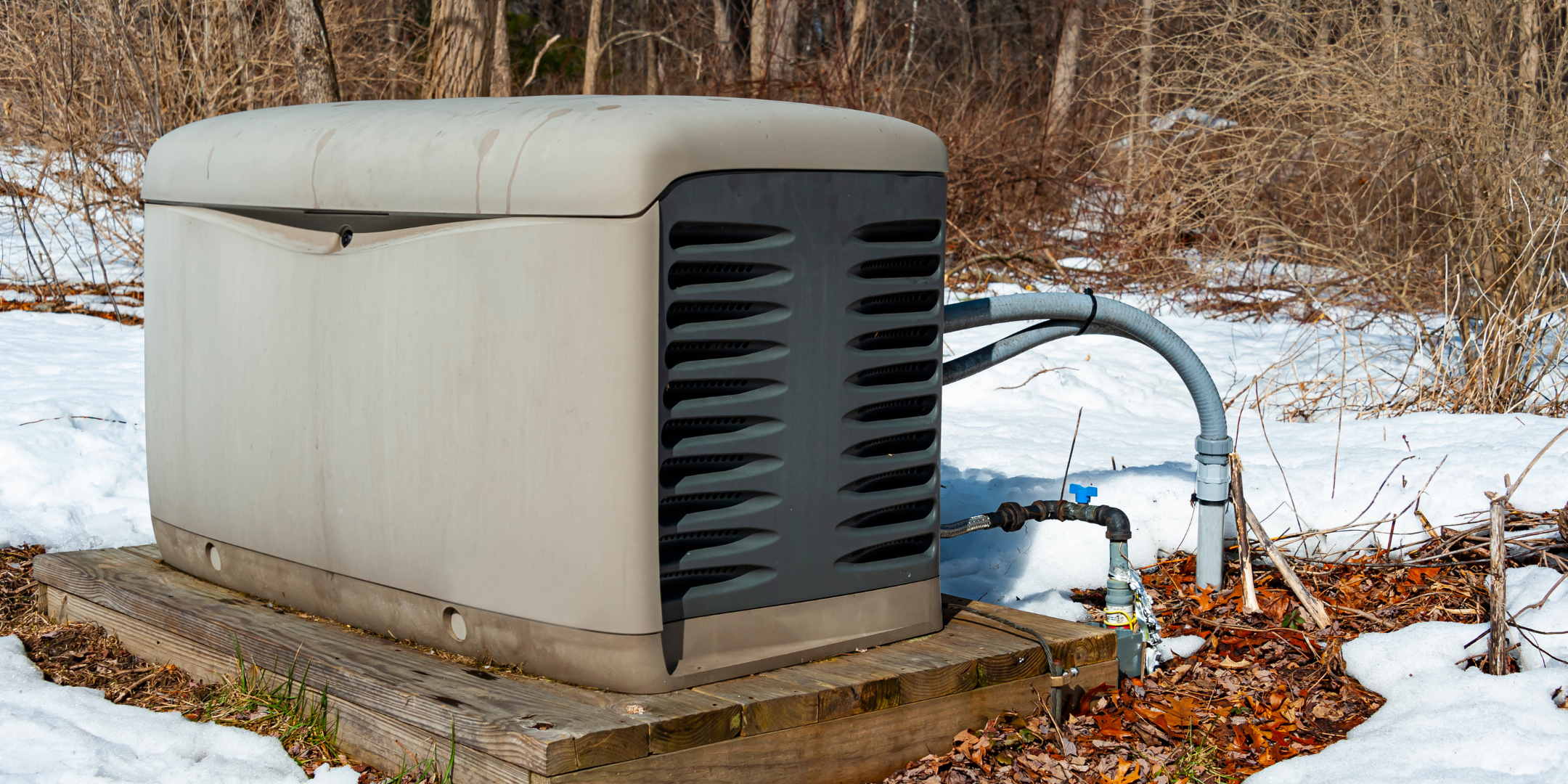
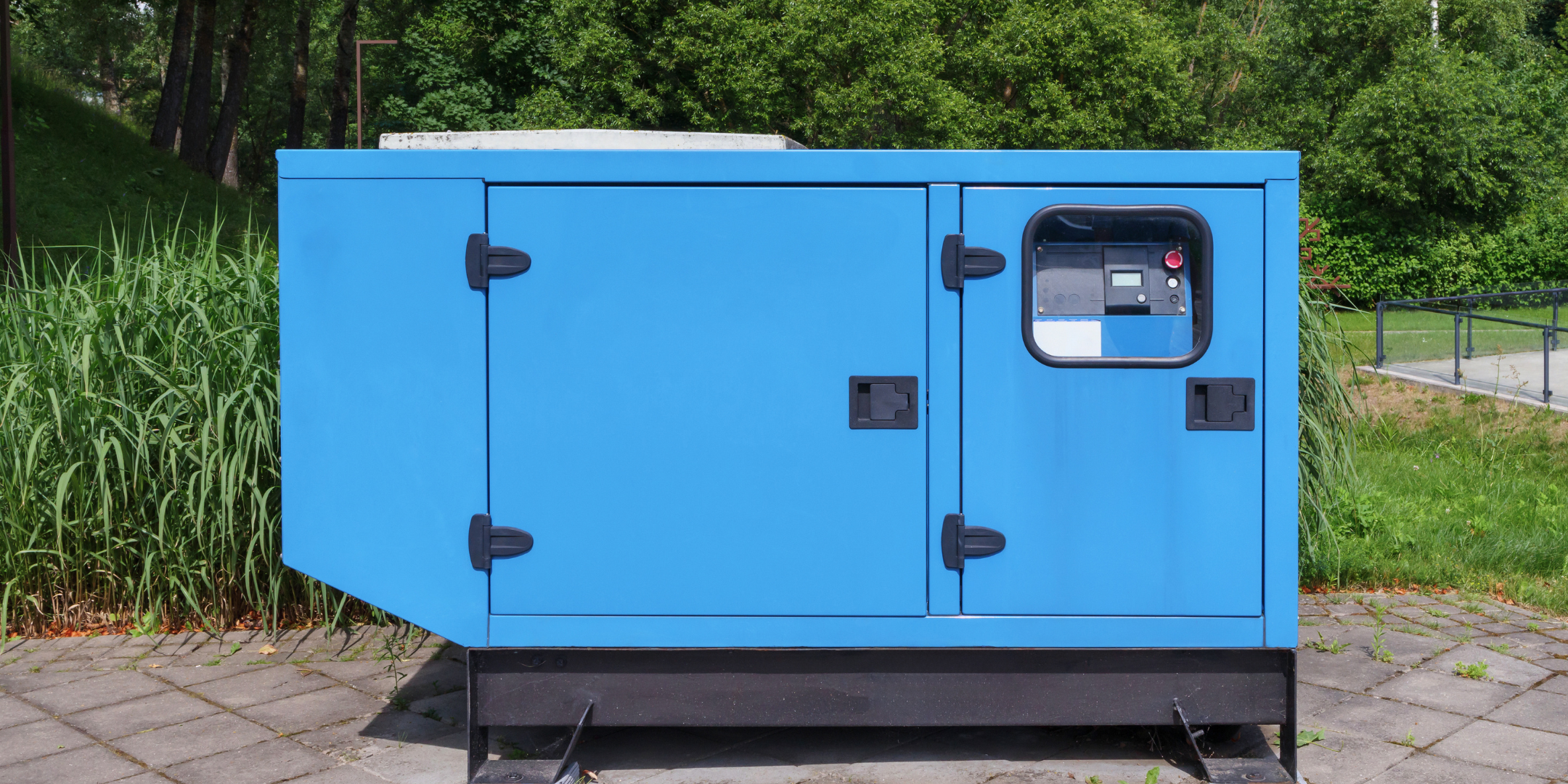
1. Whole-Home Generators
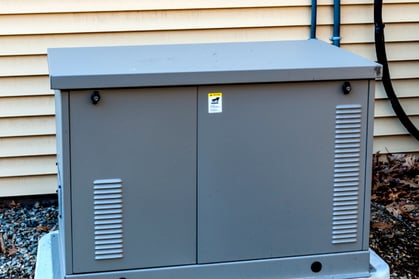
These systems activate almost instantly, bridging the gap before a flicker has time to cause disruptions. They keep clocks, routers, thermostats, and appliances powered seamlessly, preventing resets.
2. Battery Backup Systems
Home batteries offer quiet, clean backup power ideal for short outages and micro-outages. They’re often used to protect offices, routers, and key household circuits.
3. Surge Protection & Electrical Stabilization
These systems help protect electronics from rapid fluctuations that occur during flickers. They’re designed to smooth out the instability before it reaches your sensitive devices.
Keeping Household Routines Stable During Brief Power Interruptions
When you first started reading, you may have been feeling frustrated by those tiny power flickers that interrupt your day in ways that never seem big enough to report, yet always seem big enough to throw off your rhythm. Now you’ve had a chance to see what actually happens inside a home during those micro-outages and how small disruptions ripple into lost time, device resets, and added mental load.
With more than 17 years of experience working in homes throughout Oregon and Washington, A&E's trained professionals can help guide you toward an option that supports your routines without pressure or guesswork.
If you’d like to continue learning, the most natural next step is to explore how different backup power systems fit your home’s size, lifestyle, and comfort priorities. For a simple breakdown of how today’s top generator brands stack up on the specs that matter, this article gives you an easy starting point.
Topics: